Open a bakery by working back from the oven: the products you bake decide the oven, the oven decides the dough line and the proofing, and the dough line decides the mixer. Plan power, ventilation and floor space around that chain before ordering anything.
Key takeaways
- Choose the oven from the products you bake: deck for hearth breads, convection for pastry and trays.
- Size the mixer from the maker's capacity chart for your dough, and pick spiral for bread, planetary for cake, cookie and pastry batters.
- A dough sheeter, divider and proofer turn a skilled morning into a repeatable one.
- Racks, pans and a cooling space take as much room as the oven, so plan the floor around the trays.
- Send the whole list through the project quote form for one quote with freight included.
What commercial spiral mixers cost at Norpex
- Most models
- $4,500 – $12,200
- Median price
- $6,800
- Priced models
- 56
List prices in CAD before tax and delivery, read from the catalogue as it stands. Models without a listed price are quoted on request.
Why a bakery works
People buy bread, pastry and cake every day, and a bakery earns from the same customers week after week. The raw materials are inexpensive relative to the finished product, and a morning bake can supply the counter, wholesale accounts and special orders from one kitchen.
The work is also scheduled. Dough is mixed, rested, shaped, proofed and baked on a timetable, so the business is limited by how many trays the equipment can move through the morning. That is why bakery equipment is chosen as a chain: the mixer feeds the divider, the divider feeds the proofer, and the proofer feeds the oven, and the slowest link sets the pace.
Decide what the bakery is before you shop: an artisan bread shop, a pastry and cake counter, a bakery-café or a wholesale operation. Each changes the oven, the dough line and how much of the floor goes to display and seating.
The equipment list: mixing and dough
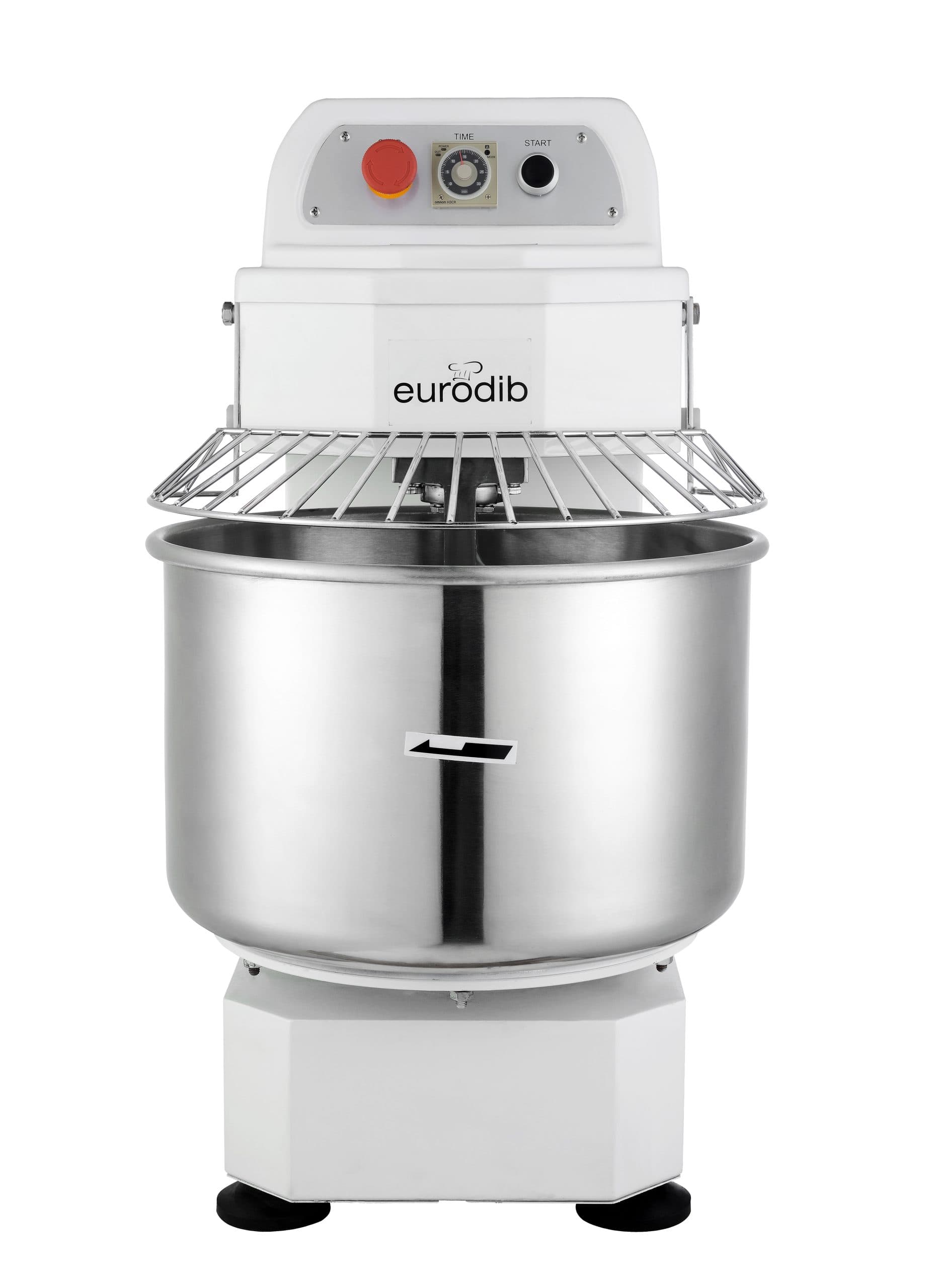
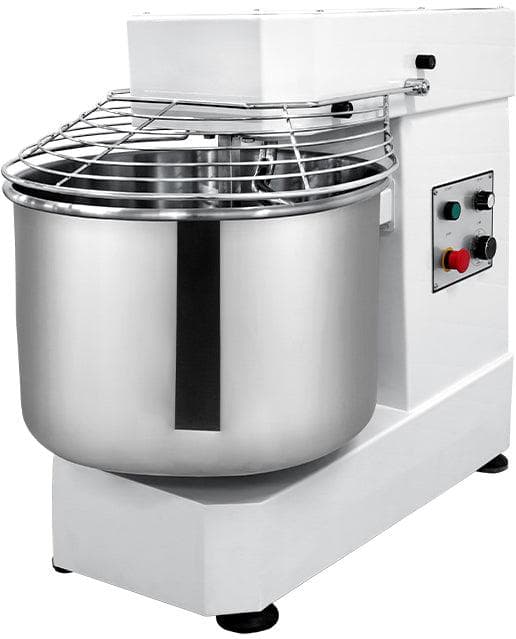
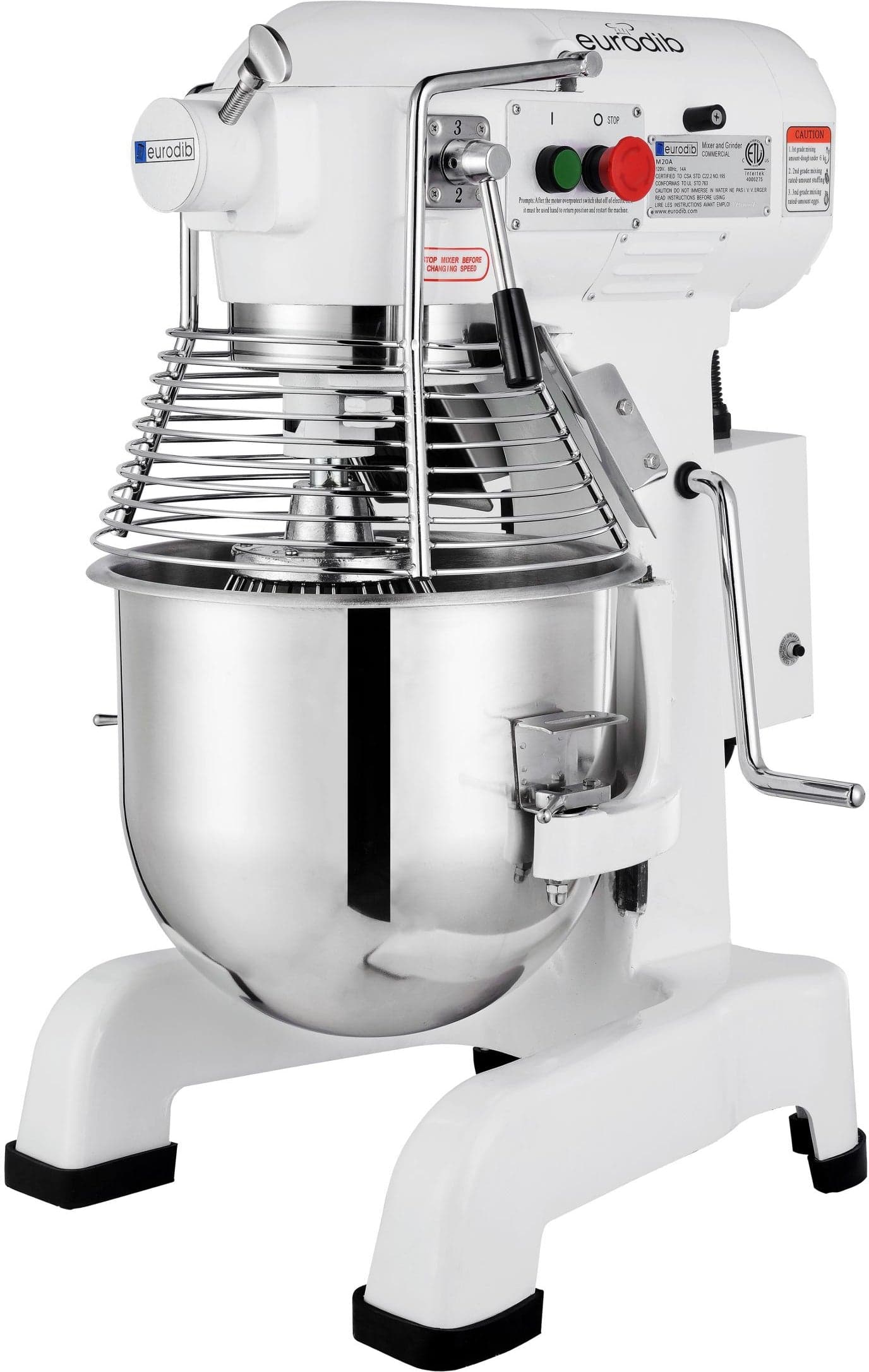
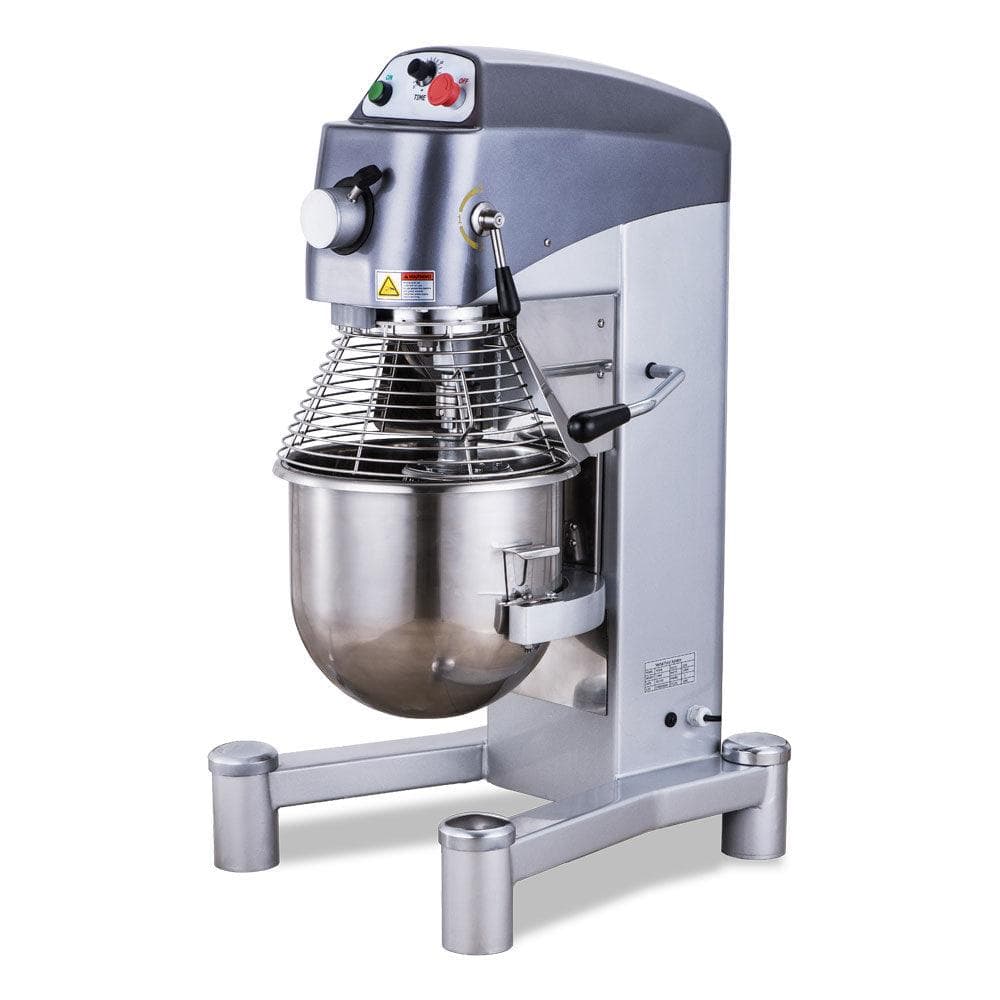
A spiral mixer is the usual choice for bread and pizza dough: the bowl turns while the spiral hook kneads, which develops gluten in stiff, lower-hydration doughs efficiently. A planetary mixer, with the bowl fixed and the beater moving around it, is the all-round choice for cakes, cookies, batters, icings and softer doughs. Many bakeries own one of each.
Capacity is given in a maker's chart as a weight of dough or flour at a stated hydration. Size from that chart for your recipe and largest batch, not from the volume of the bowl, because a stiff dough can overload a mixer well before the bowl looks full.
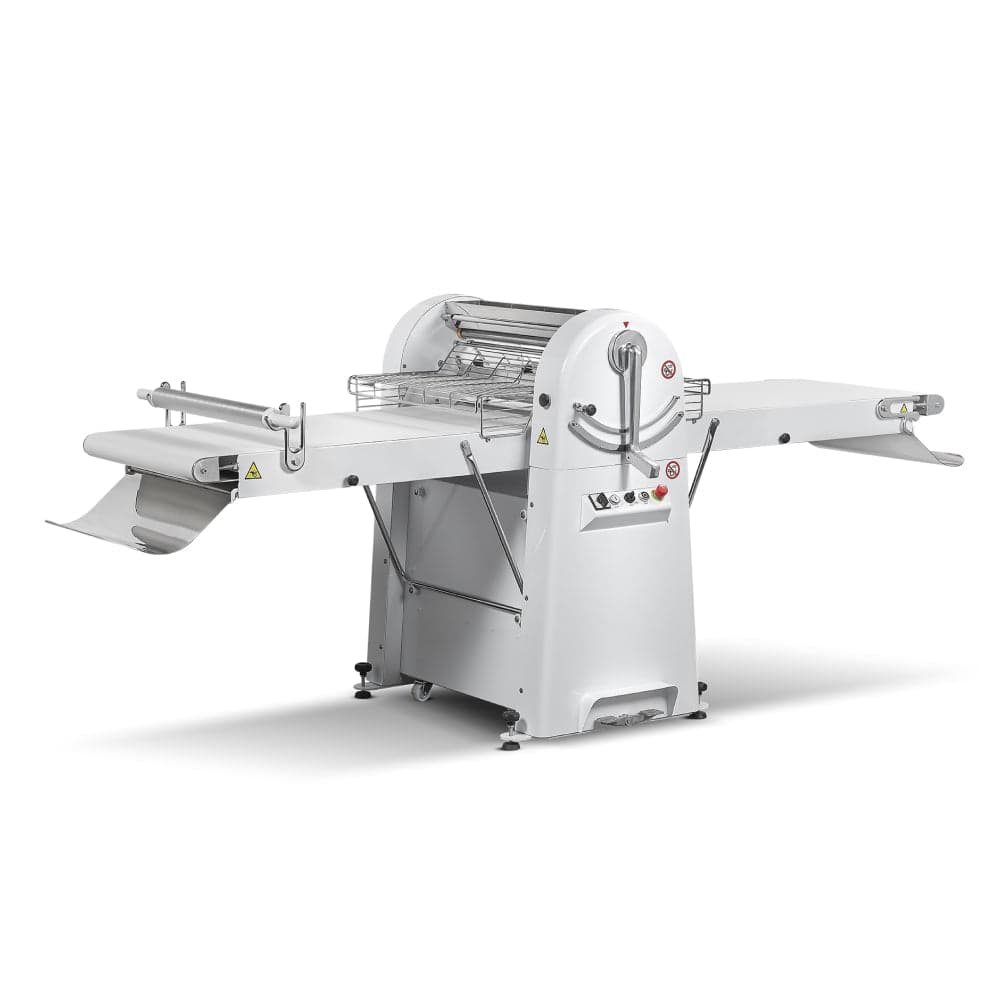
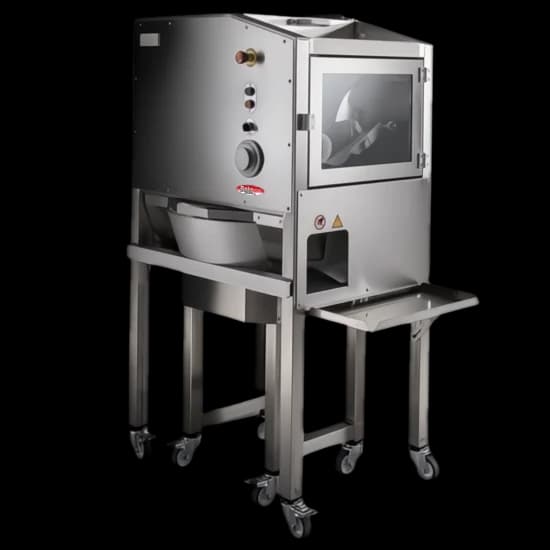
A dough sheeter flattens dough to an even thickness, which is the basis of croissants, danishes and puff pastry. A divider or divider-rounder portions dough into equal weights, which saves labour and makes every loaf or roll start the same.
Products named in this section
- Eurodib – 30Qt. Spiral Mixer$1,724.53
Eurodib · LM30TETL
Further reading
The equipment list: proofing and baking
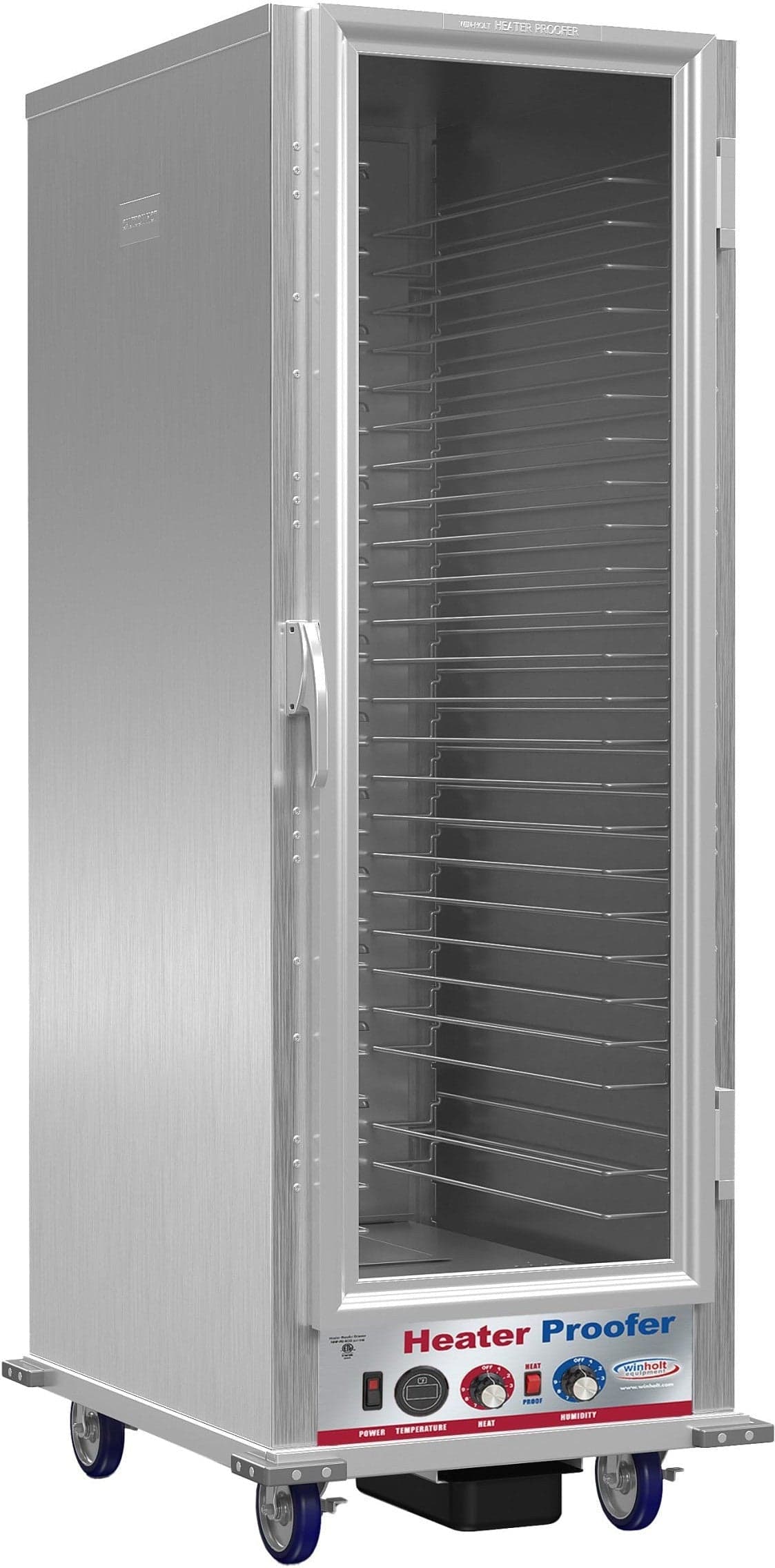
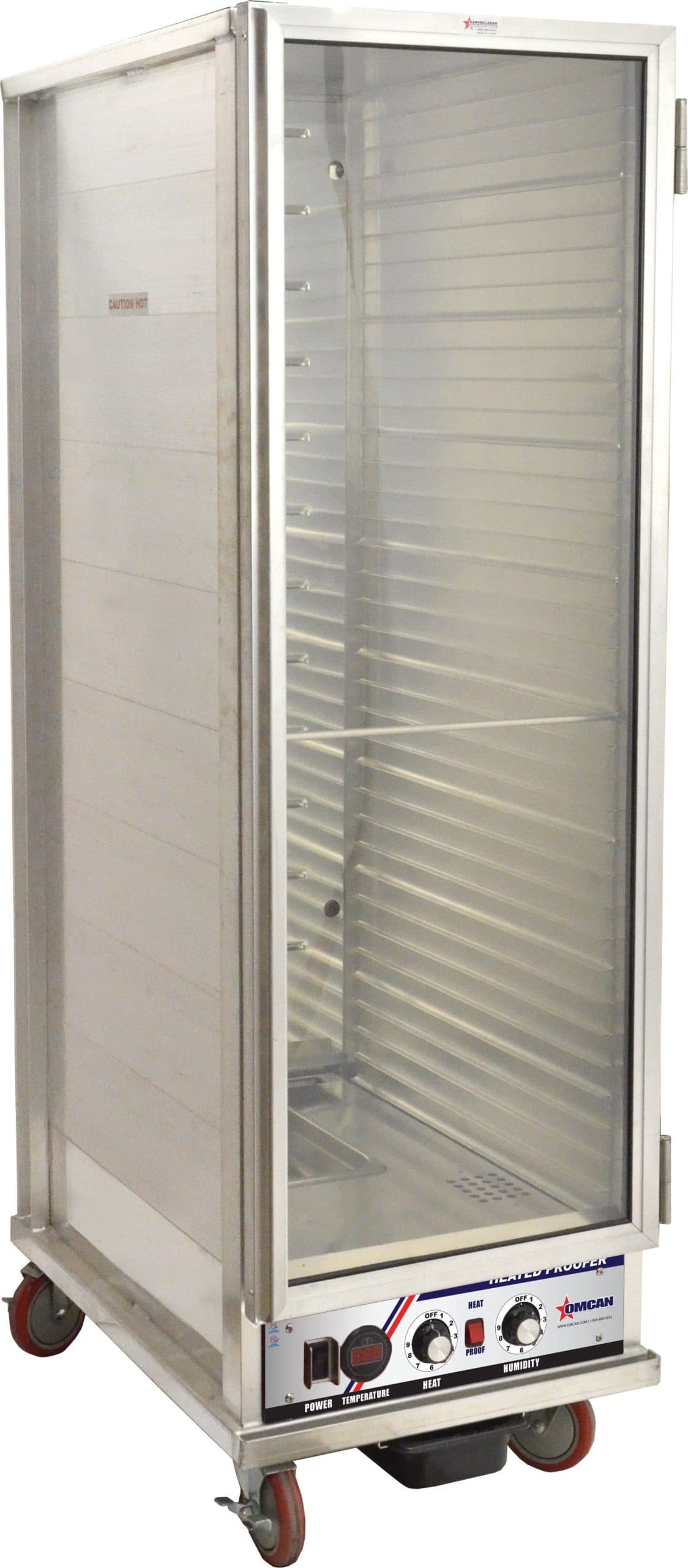
A proofer holds shaped dough at a warm, humid temperature so it rises evenly before baking. A heated proofer cabinet is the simple answer for a small bakery, and tray capacity is the number to check against your morning volume.
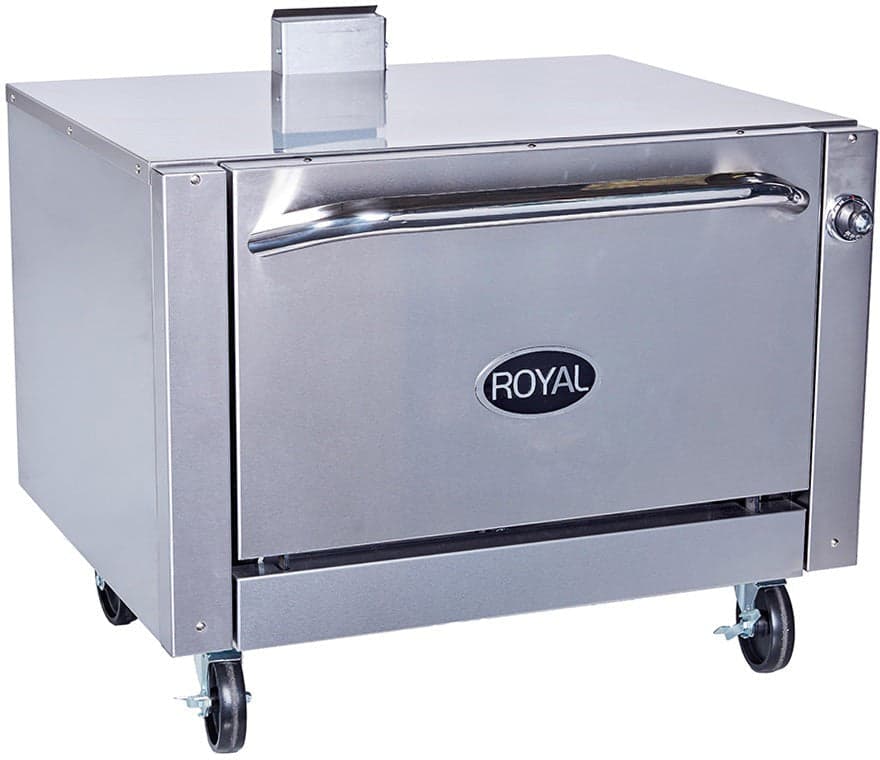
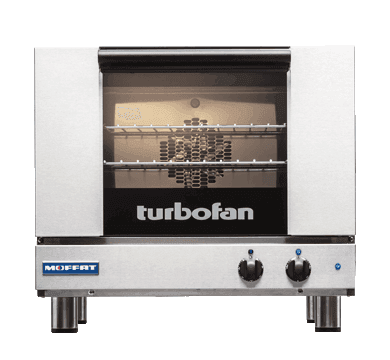
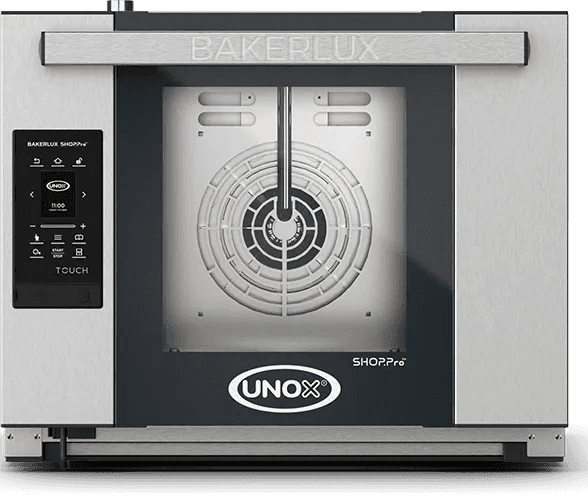
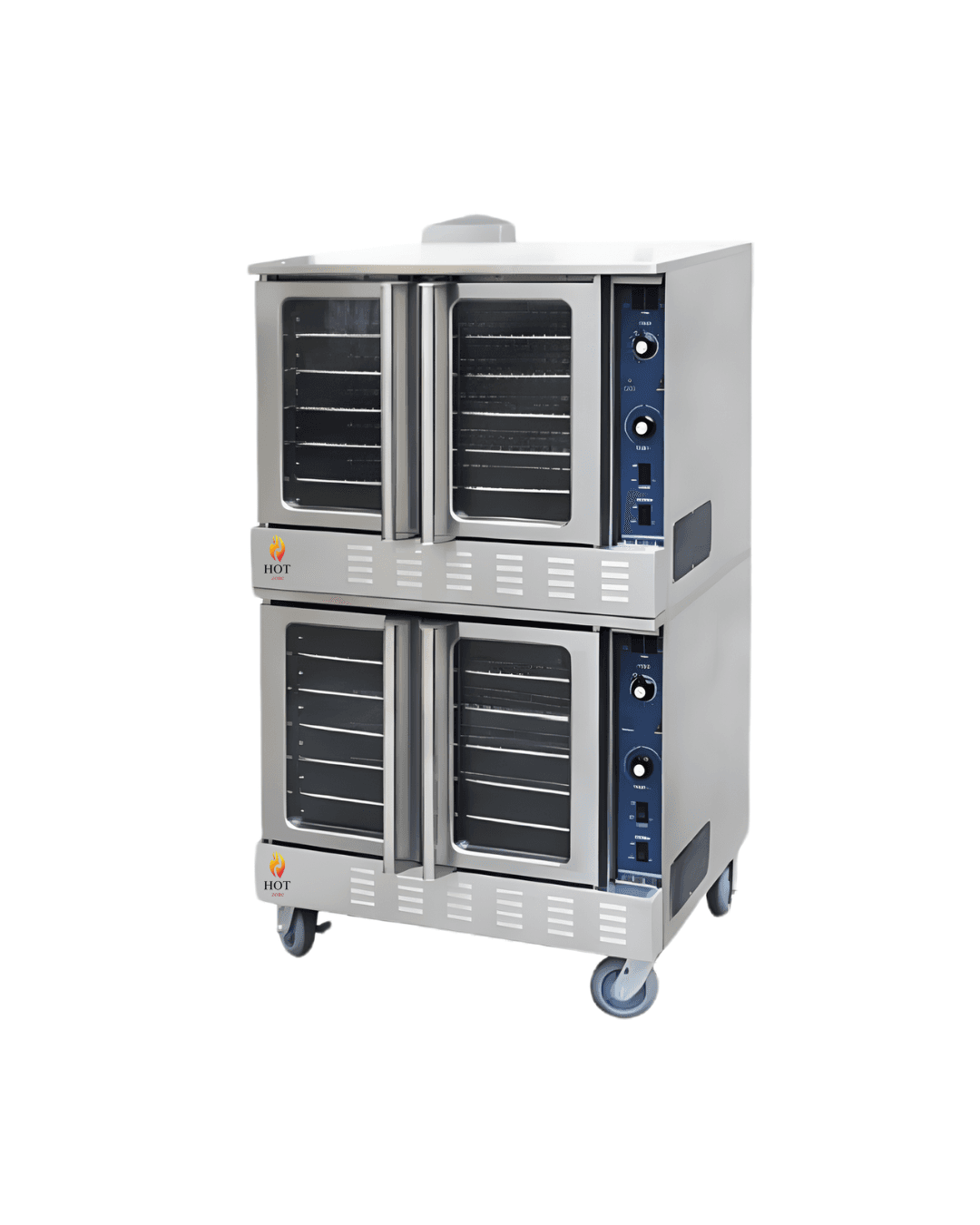
Deck ovens bake on a stone or steel deck from below and suit hearth breads, baguettes and rustic loaves, where steam and bottom heat build the crust. Convection ovens move hot air with a fan and bake evenly across several trays at once, which suits pastry, cookies, croissants and anything baked on a sheet pan. Many bakeries run a deck for bread and a convection for pastry.
Whatever the oven, the manual lists the gas or electrical supply, the clearances and the ventilation it needs. Electric ovens in the catalogue list 208 V three-phase models, so ask your electrician what the building has before you choose.
Products named in this section
- $2,099
- HOTZONE HZ-COE-208-2 Double Electric Convection Oven (208V)$6,985.99
HOTZONE · HZ-COE-208-2
Further reading
The equipment list: pans, racks, slicing and display
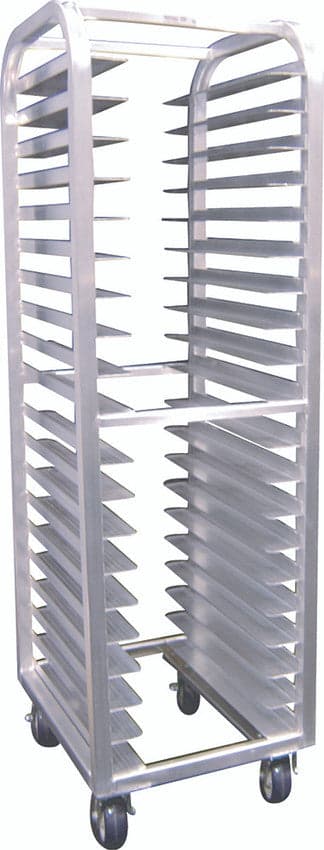
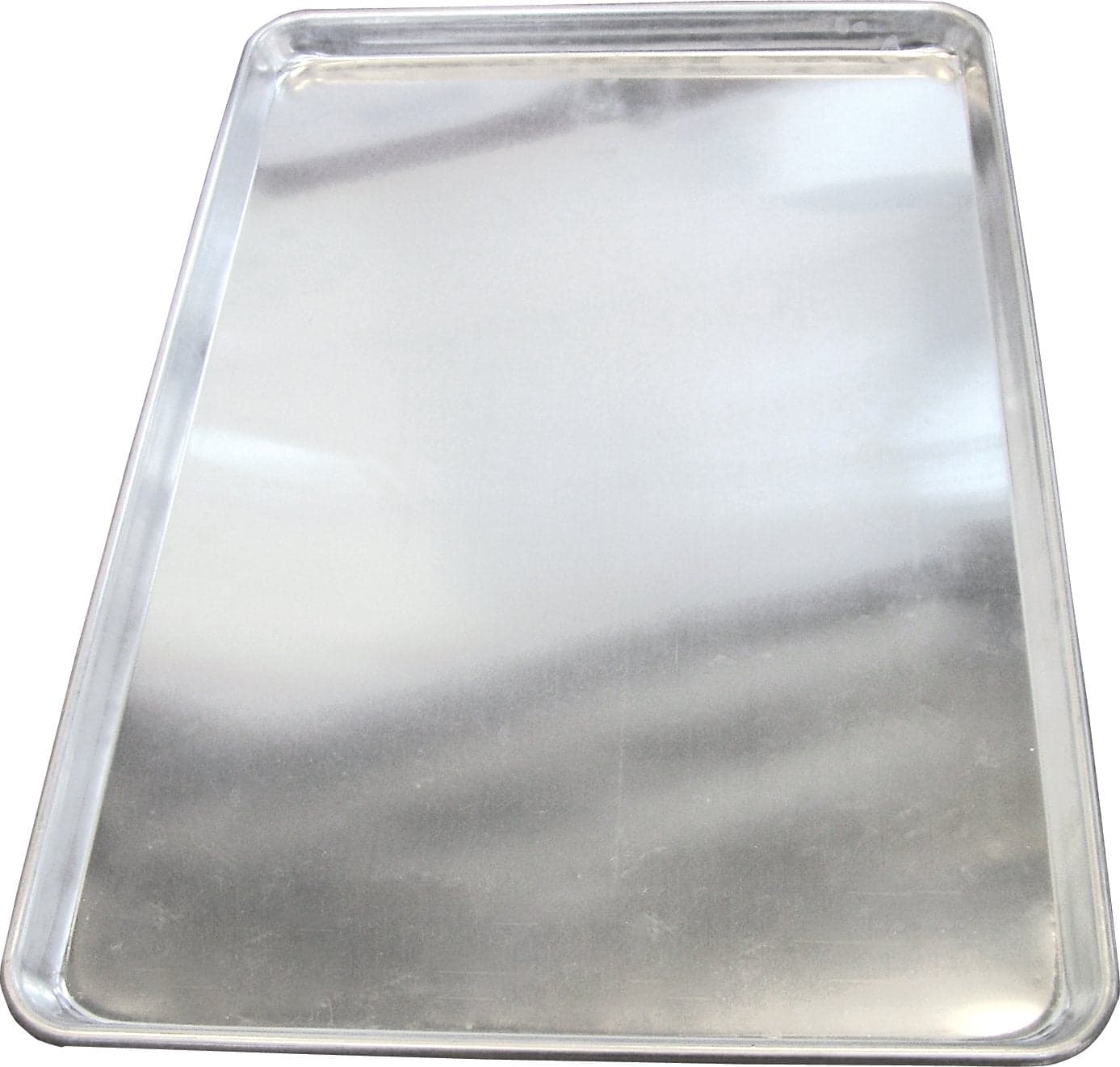
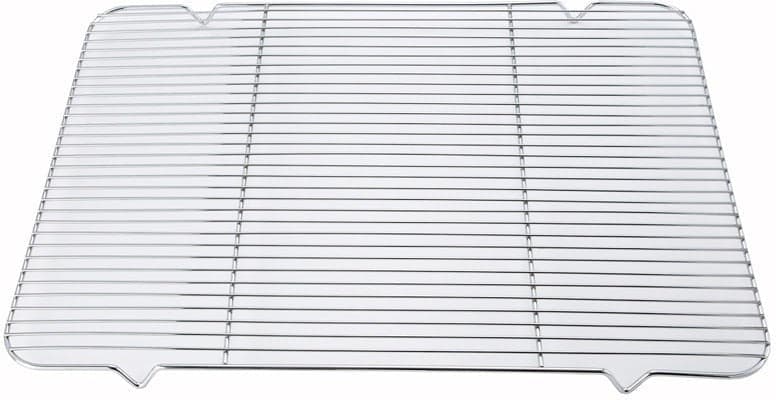
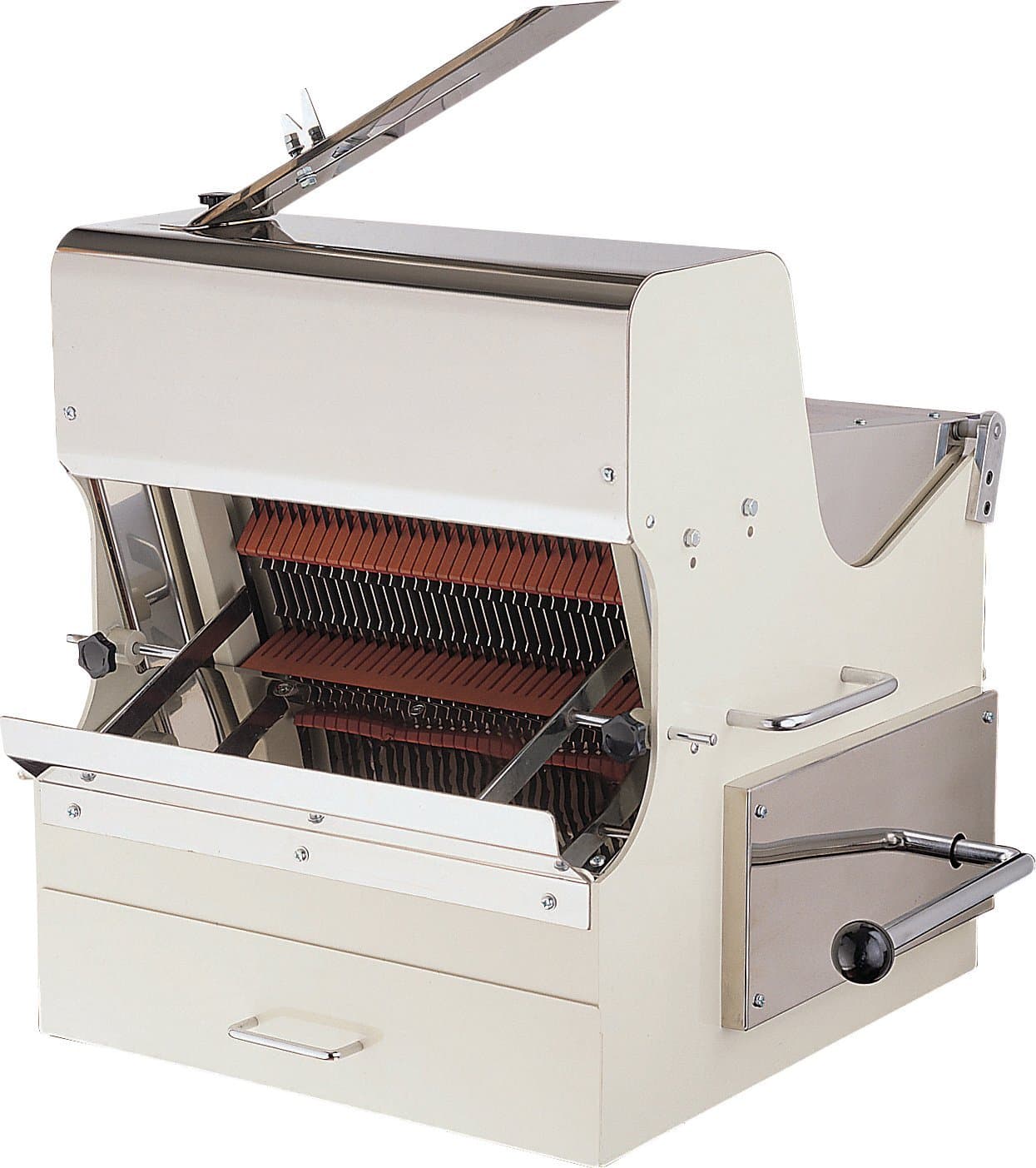
Sheet pans, bun pans, cooling racks and a mobile pan rack carry the product through the shop. Count the trays your morning moves, and buy racks sized to the trays and the doorways they have to pass through. A bread slicer saves a counter-hand's time on loaves, and a scale keeps portions and formulas accurate.
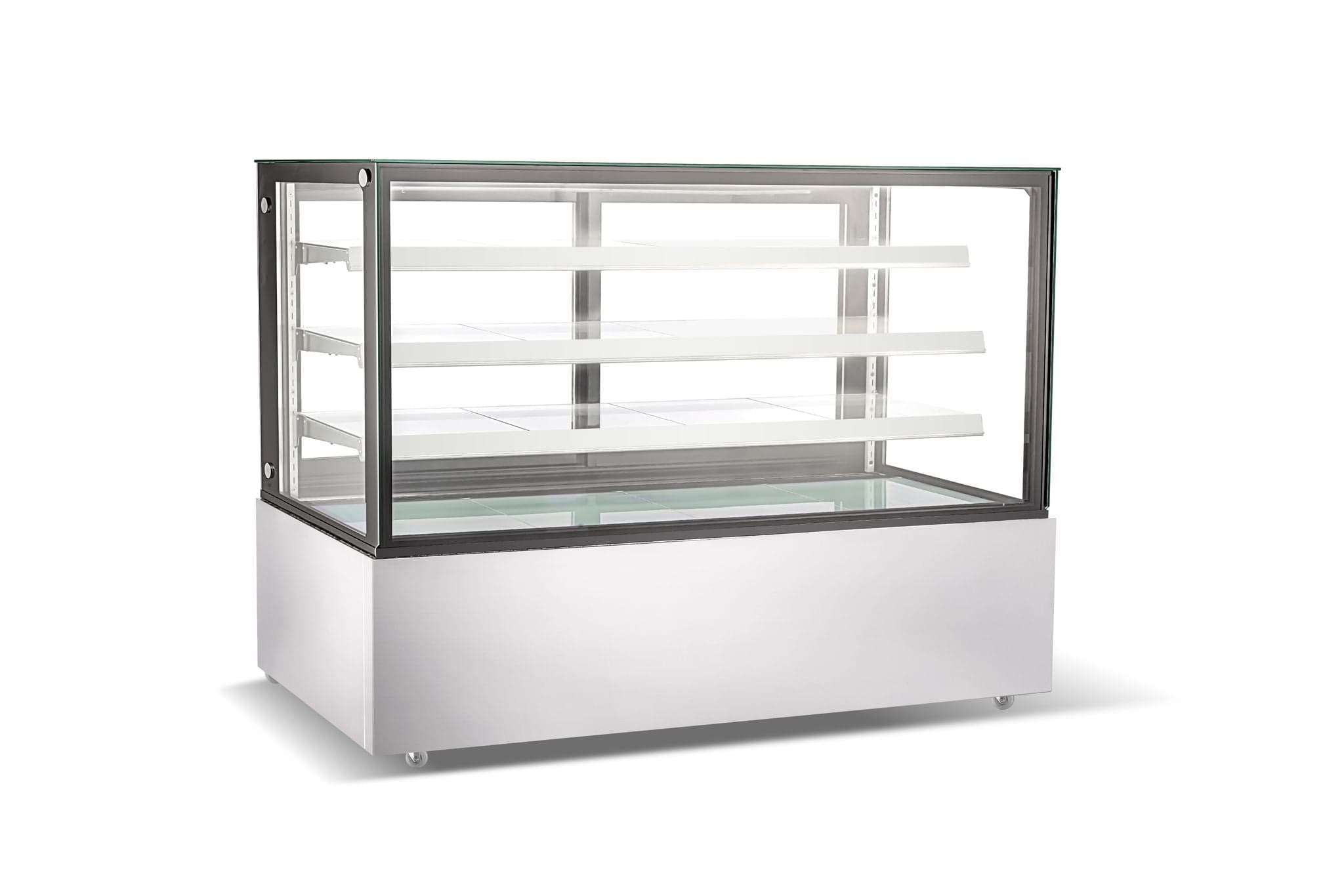
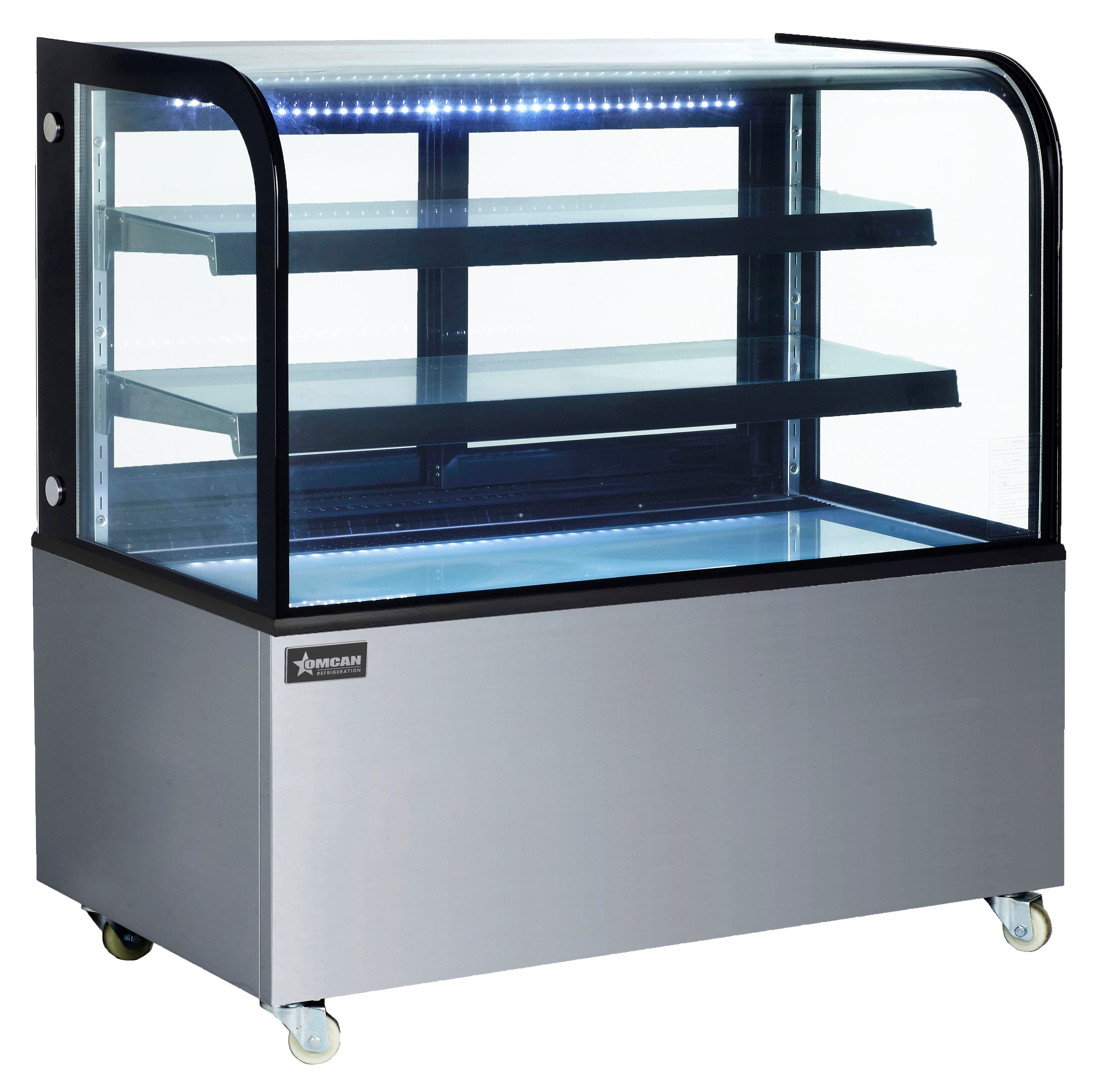
A display case sells the product. Refrigerated cases hold cream cakes and dairy pastries at 4 degrees C or below under Health Canada's guidance; dry cases hold breads and pastries that do not need refrigeration. Ask your local health unit which items need cold holding.
Products named in this section
- $4,889.99
The equipment list: cold storage, tables and sinks
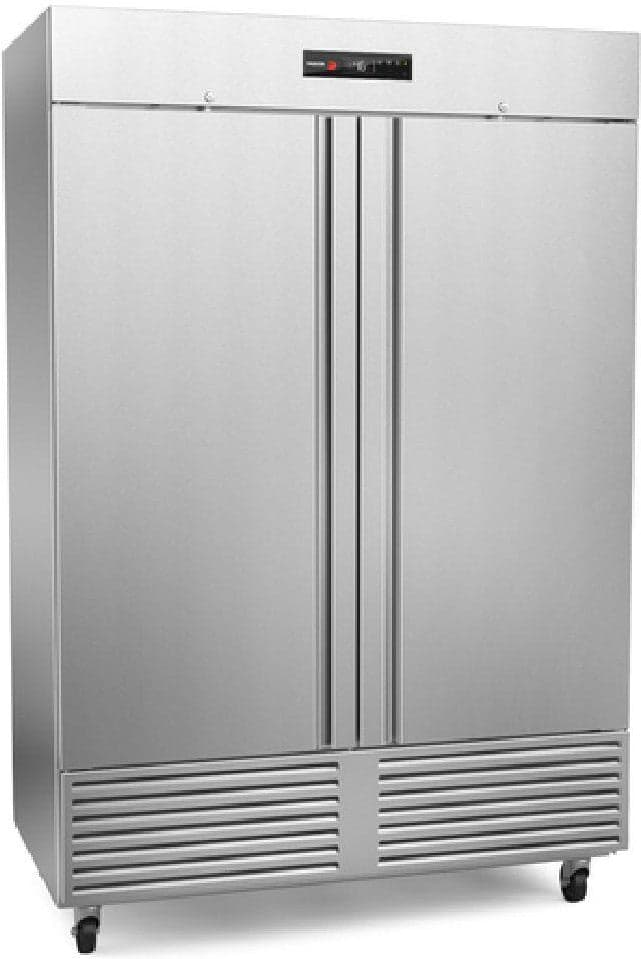
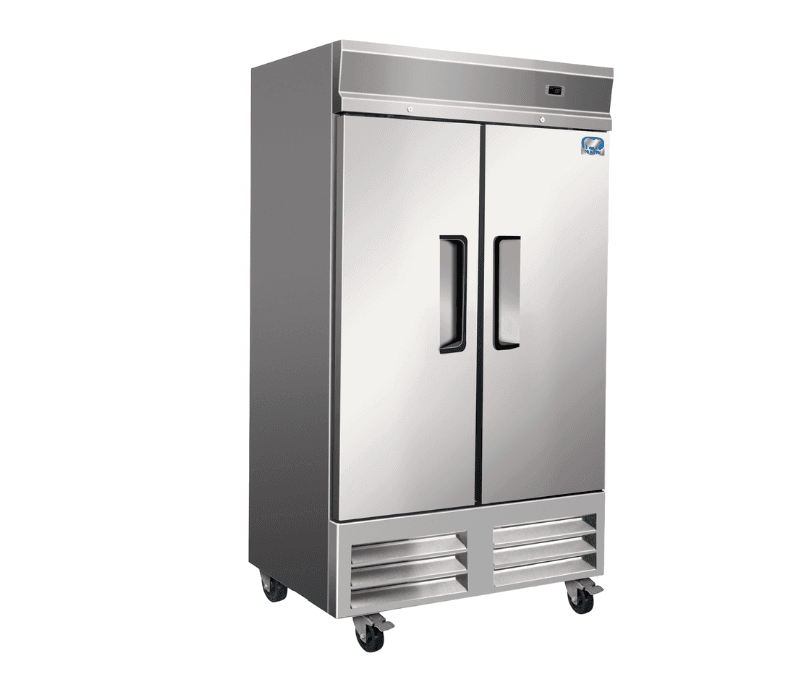
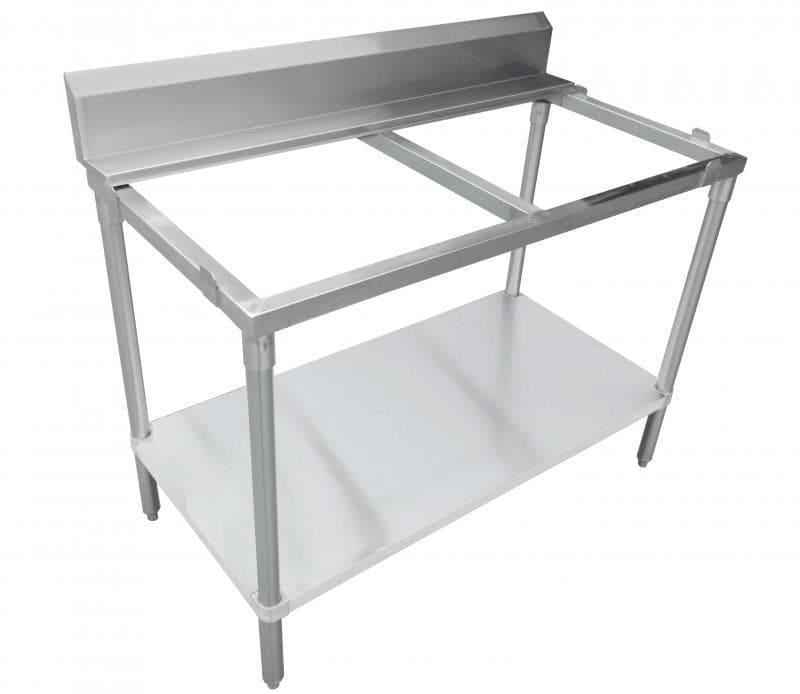
Butter, eggs, dairy and fillings need cold storage, and doughs rested overnight need refrigerator or freezer space in trays. A reach-in refrigerator and freezer suits a small bakery; a larger one often needs a walk-in. Poly or stainless work tables give the bakers a surface; poly is gentler on dough and quieter.
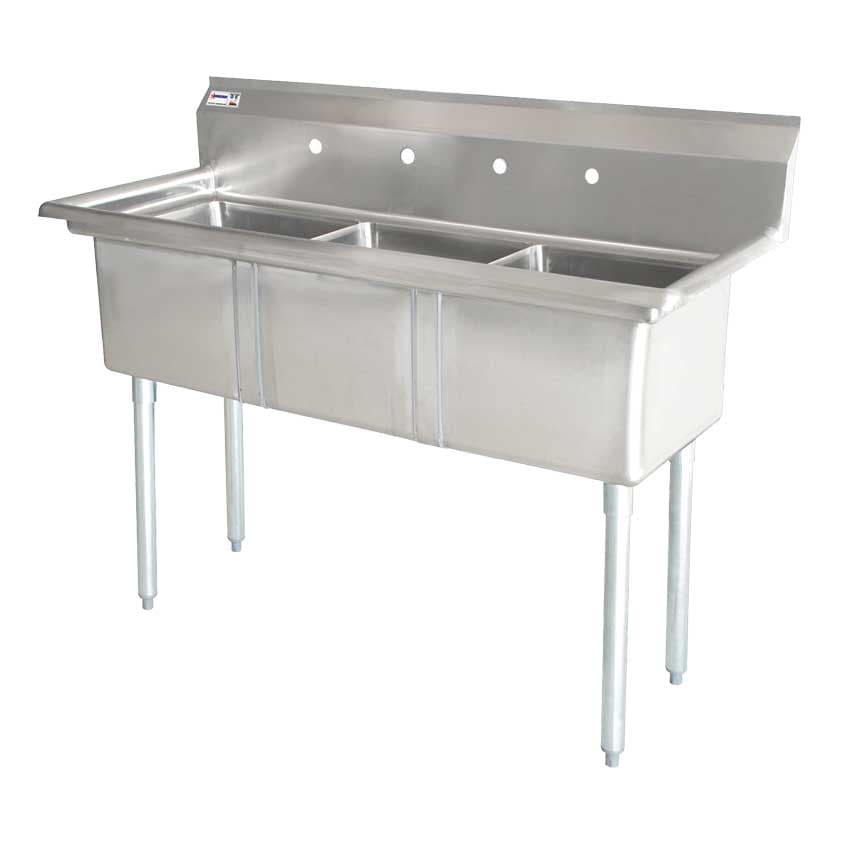
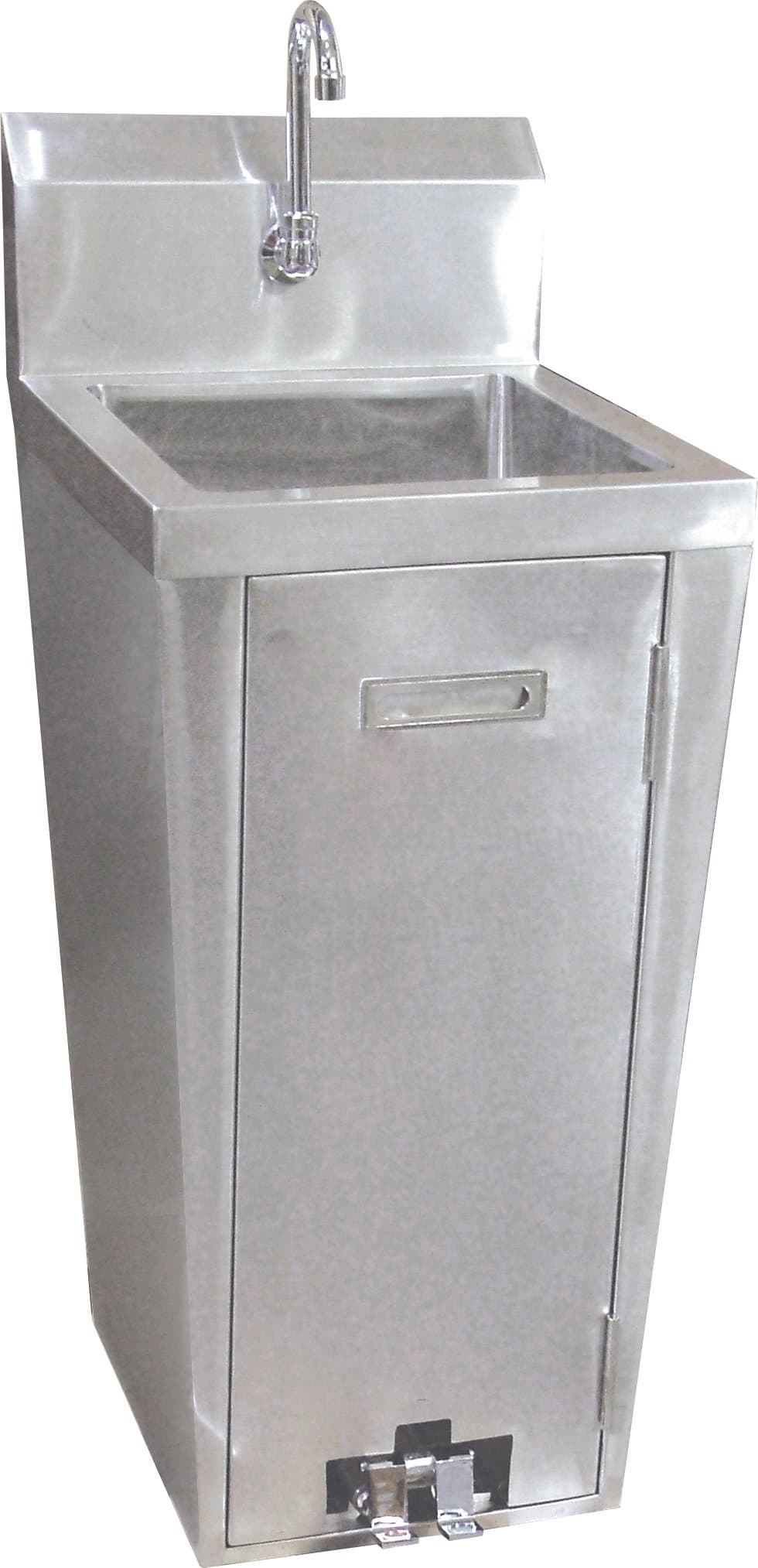
Your local public health unit sets the sink requirements: commonly a hand-washing sink separate from food preparation, and a compartment sink or a commercial dishwasher for pans and tools. Ask before the layout is final, because sinks fix where the plumbing and drains go.
Products named in this section
- $3,189.99
Space, ventilation, gas and power
A bakery needs more floor than a count of its machines suggests. A mixer needs working room around the bowl and a path to the bench; a sheeter needs its table and a clear run at each end; racks need parking space beside the proofer and the oven, and a path to the display. Draw the flow from flour storage to mixer, bench, proofer, oven, cooling and counter, and keep it free of crossings.
Ovens give off heat and, on gas, combustion products. Most commercial ovens need a hood or a dedicated exhaust; the maker's manual lists what it requires and your local building and fire authorities decide what is installed. Plan make-up air with the exhaust, because ovens and hoods both suffer in a kitchen that goes negative.
Gas and electrical needs come from each manual: gas type and input, voltage, phase and amperage. Spiral mixers, sheeters and electric ovens often need a higher voltage or three-phase power, so have an electrician review the full list before you order.
The order to buy in
Buy from the oven backwards, because the oven sets the power, ventilation and floor plan.
- 1. The ovens and the ventilation, once the building's gas and power are confirmed.
- 2. The proofer and the dough line: mixer, divider and sheeter, sized to the same volume.
- 3. Racks, pans and cooling space, sized to the trays.
- 4. Refrigeration and the display cases.
- 5. Sinks and dishwashing, set by your health unit's requirements.
- 6. Tables, slicer, scale and smallwares, last.
Further reading
Lease or buy
Ovens, mixers and a sheeter make up most of a bakery's equipment cost, and they last for many years. Buying outright avoids financing cost; leasing keeps cash free for the lease on the space, flour and ingredients, and the weeks before the first sales. Weigh it against how long you expect to run the same line.
Financing is available on approved credit. Apply from the financing page and a Norpex rep sets it up within one business day.
Further reading
Permits and inspections
Permits vary by province and city. Start with the federal overview of permits, licences and regulations, then check with your municipality and local public health unit before you finalize the layout or order equipment. Building, fire, gas and electrical approvals are separate from the food permit, and each has its own inspector.
Get the whole list priced
Send the equipment list or a floor plan through the project quote form. A person prices the whole list with freight included and replies within one business day. Items that can be bought online show the delivered price at checkout before you pay.
A liftgate, a delivery appointment or inside delivery are arranged with Norpex before you pay. All sales are final, so confirm voltage, phase, gas type and dimensions before ordering.
Further reading
Common questions
What mixer does a new bakery need?
- A spiral mixer is the usual choice for bread and pizza dough, and a planetary mixer suits cakes, cookies and batters. Size either from the maker's capacity chart for your recipe and largest batch, not from the bowl volume.
Should a bakery buy a deck oven or a convection oven?
- Deck ovens suit hearth breads, baguettes and rustic loaves. Convection ovens suit pastry, cookies and anything baked on sheet pans. Many bakeries run one of each, and your product list decides the mix.
Does a bakery need a proofer?
- Most bakeries making yeasted products benefit from one. It holds shaped dough at a warm, humid temperature so it rises evenly. Check the tray capacity against your morning volume.
Do bakery ovens need a hood?
- Ventilation requirements depend on the oven, the fuel and your local building and fire codes. The oven's manual lists what the maker requires, and your local authorities decide what must be installed.
Can I get one quote for the whole bakery?
- Yes. Send the equipment list or a floor plan through the project quote form. A person prices the full list with freight included and replies within one business day.