
Dough Divider/Rounder
33 products
A dough divider cuts a bulk batch of dough into equal pieces, and a rounder shapes those pieces into tight balls ready for proofing or the pizza station. Divider-rounders do both in one cycle. Bakeries making rolls and buns, pizzerias balling dough for the day and commissaries supplying several locations buy them to replace hand scaling, which is slow and varies from one person to the next.
33 products
BakeMax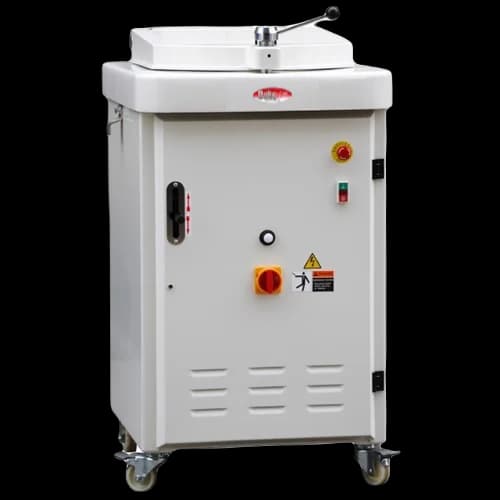
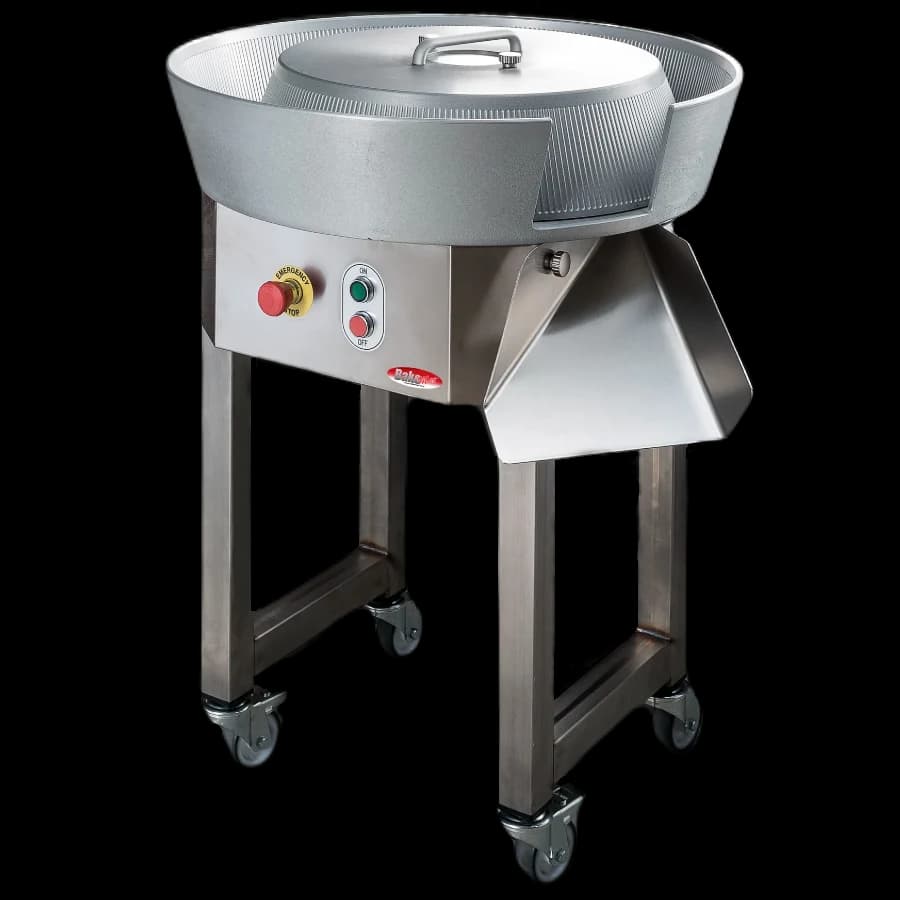
BMBT030
BakeMax BMBT030 Floor Model 20 Division Hydraulic Automatic Dough Divider
$18,773.33
In stockBakeMax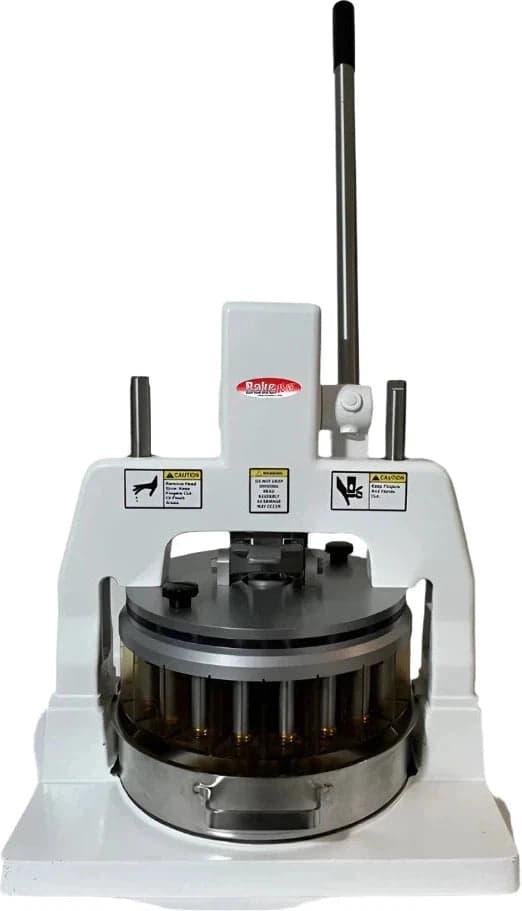
BMDMIH09
Bakemax – Commercial Countertop Manual Dough Hand Bun Divider with 9 Parts – BMDMIH09
$7,499.99
In stockBakeMax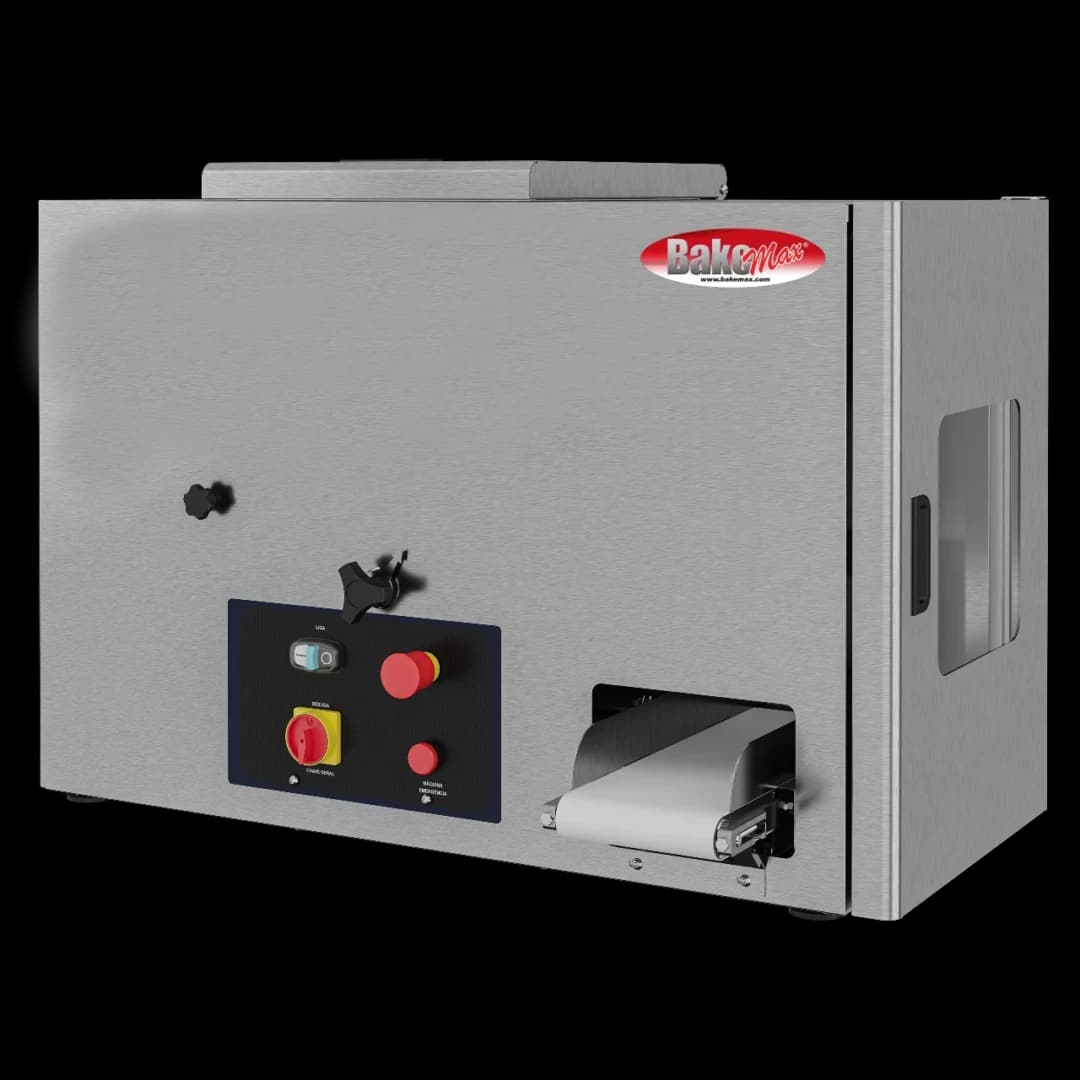
BMCCD01
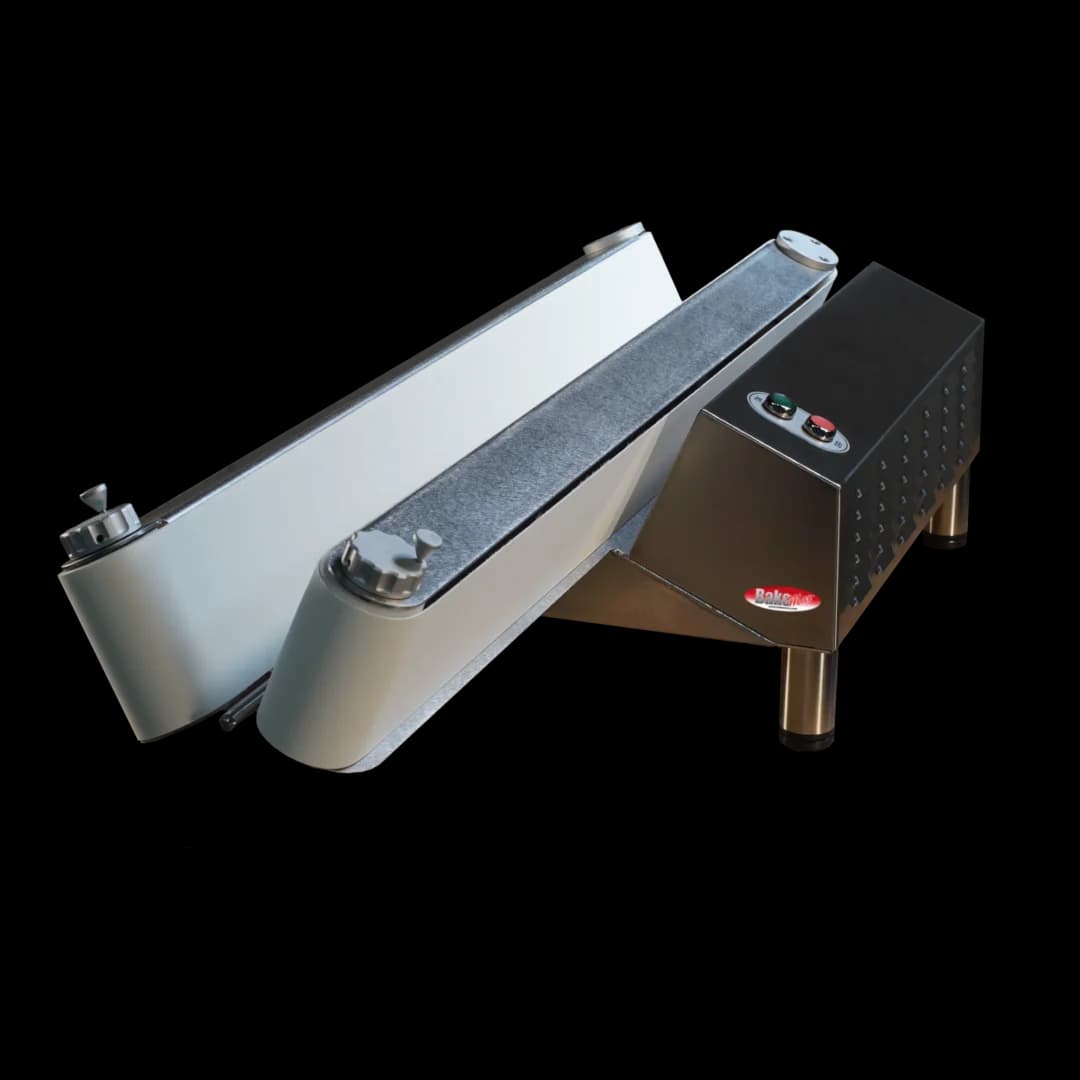
BakeMax BMCCD01 Countertop Electric Automatic Continuous Dough Divider
$15,400.00
In stockTrento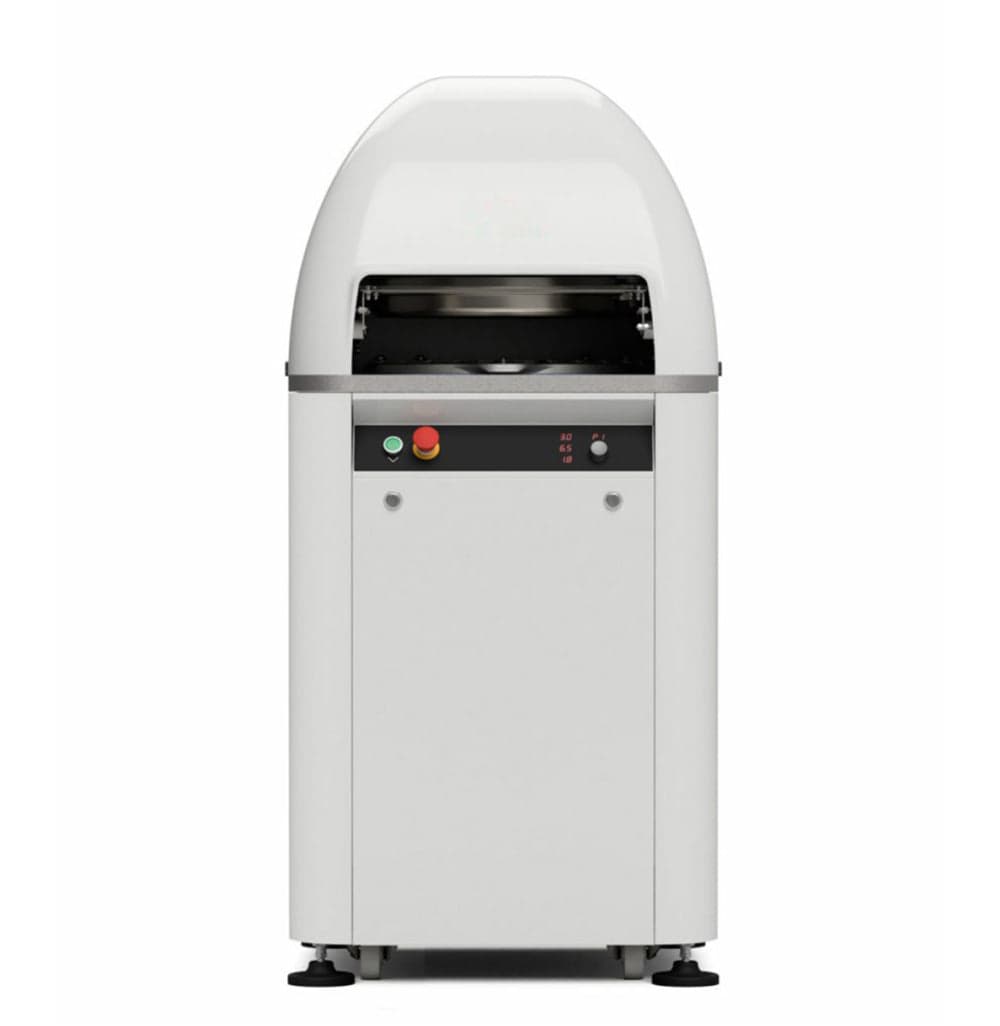
S-OM48581
Trento 30-Division Auto Bun Rounding Divider – 220V / 1 Phase – 48581
$27,681.84
In stockBakeMax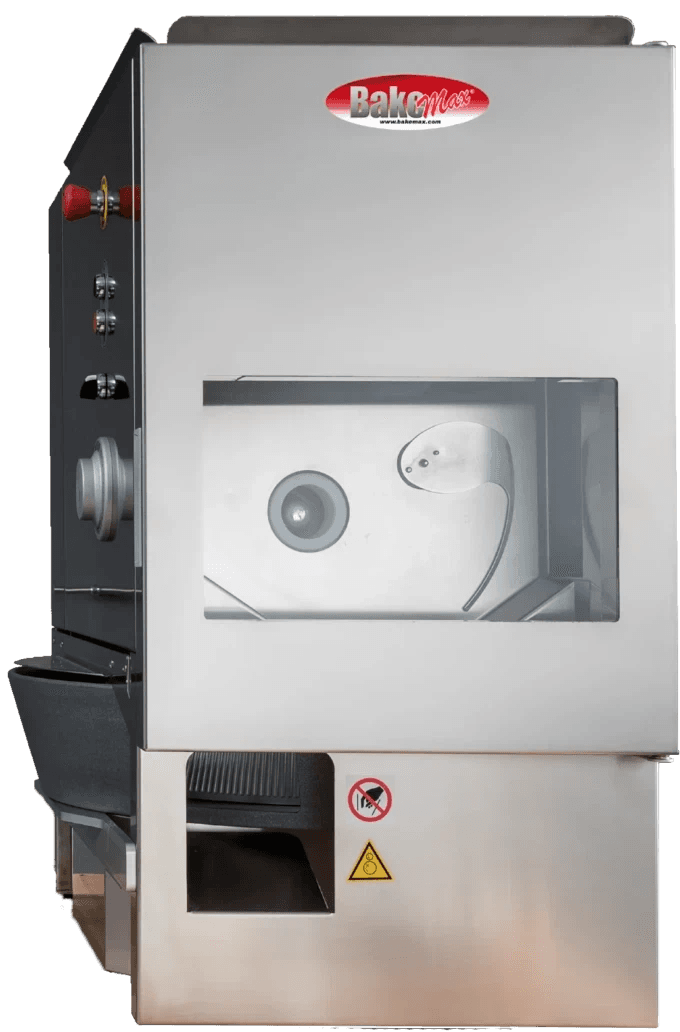
BMDD003
Bakemax – Electric Floor Model Automatic Dough Divider Rounder Combo – BMDD003
$37,166.67
In stockTrento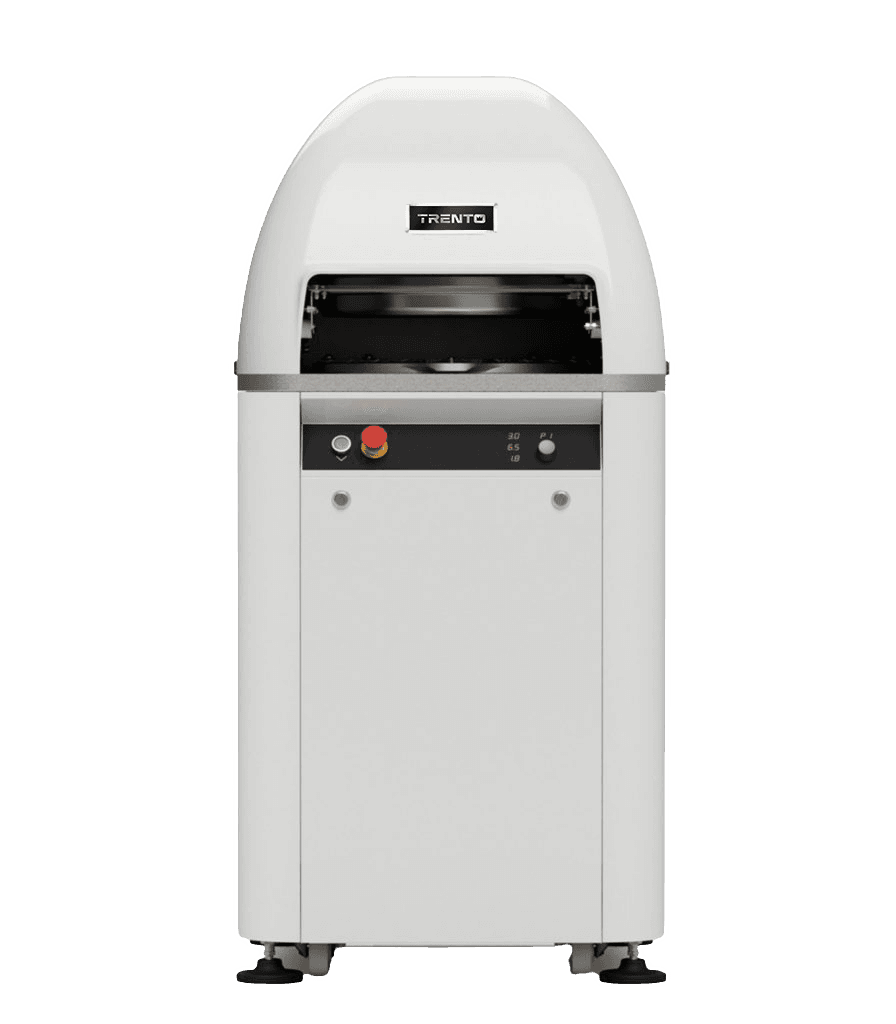
S-OM47581
Trento 30-Division Auto Bun Rounding Divider – 220V / 3 Phase – 47581
$28,617.95
In stock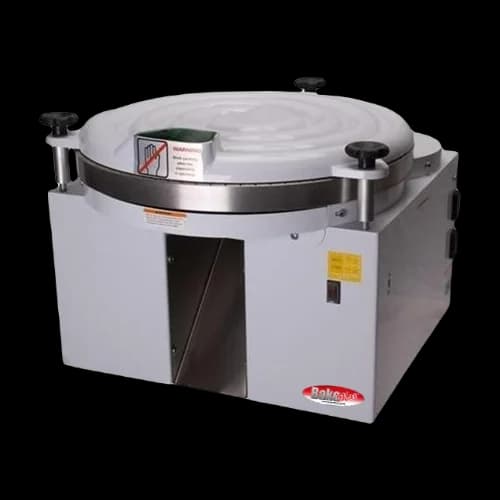
BakeMax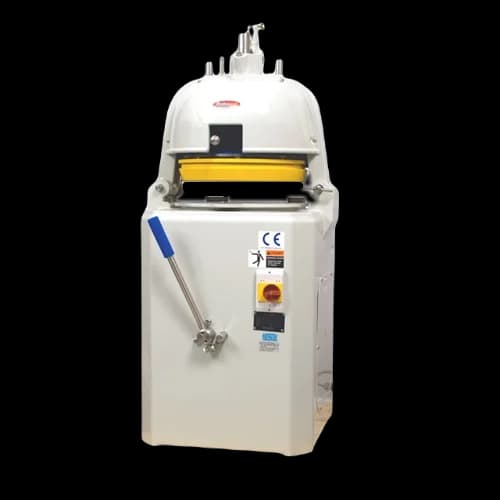
BMBD030
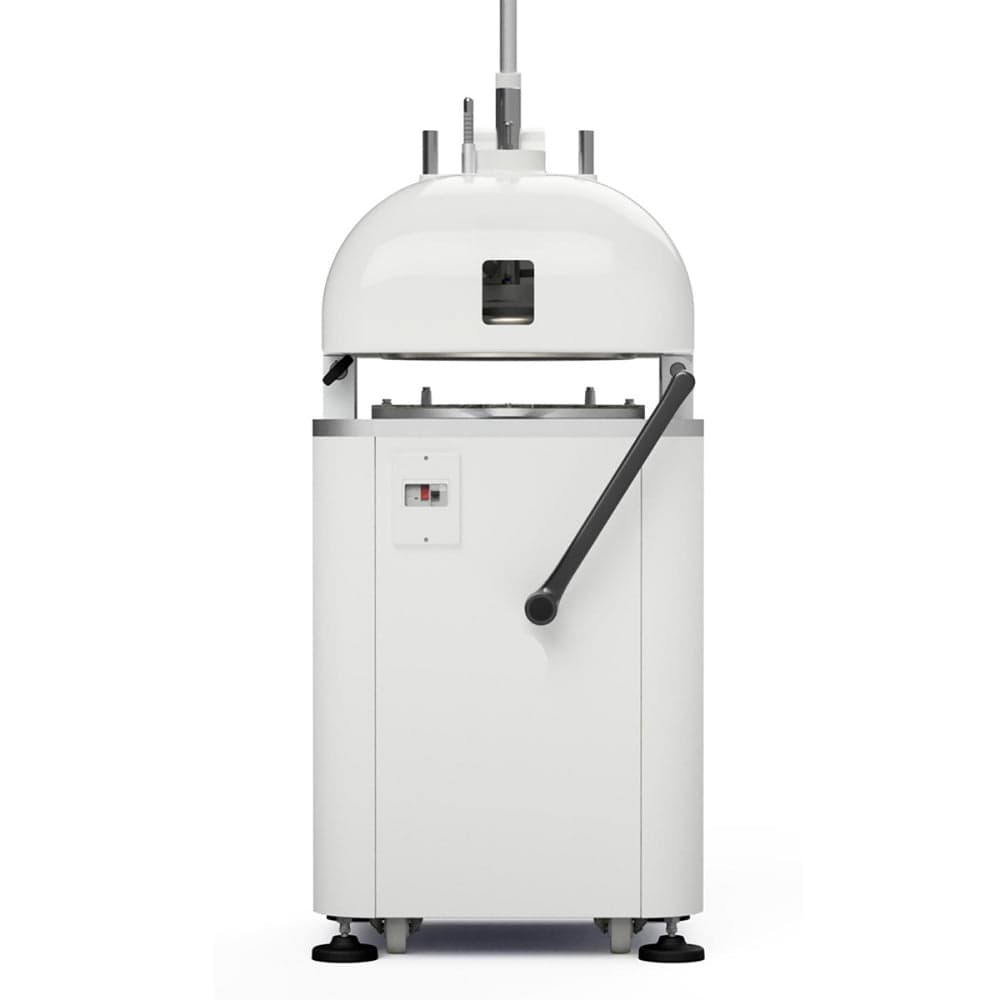
BakeMax BMBD030 Floor Model 30 Division Semi-Automatic Dough Divider Rounder
$16,083.33
In stockBakeMax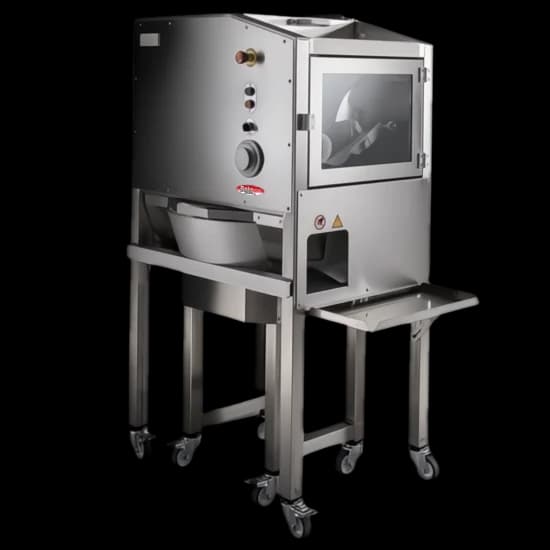
BMDD005
BakeMax BMDD005 Floor Model Electric Automatic Dough Divider Rounder Combo
$45,716.67
In stockBakeMax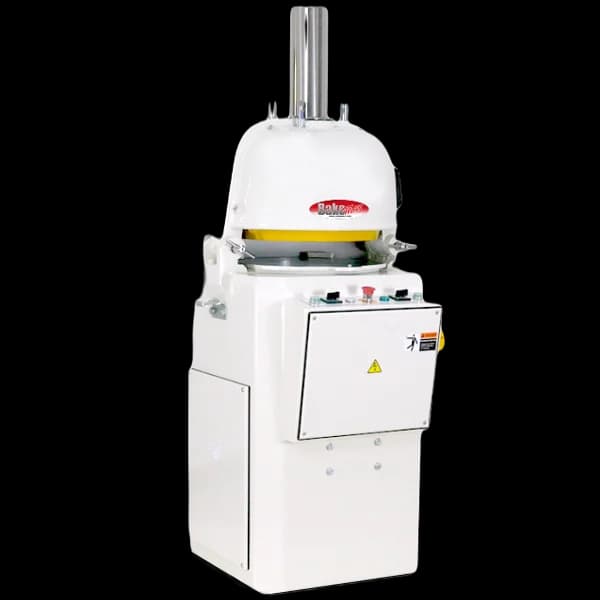
BMBDF30
BakeMax BMBDF30 Floor Model 30 Division Fully Automatic Dough Divider Rounder
Priced on request
In stock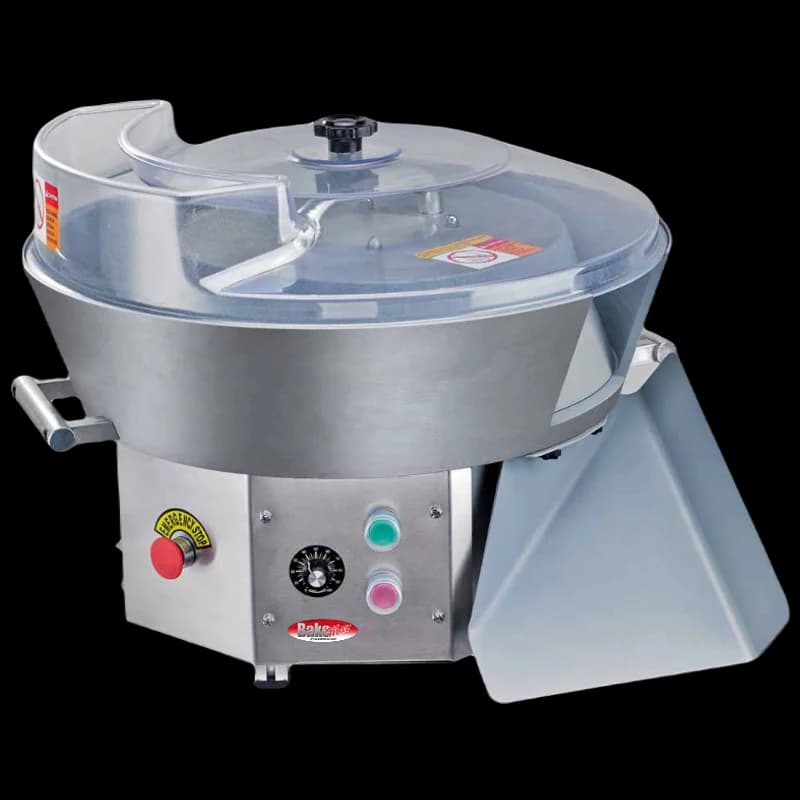
BakeMax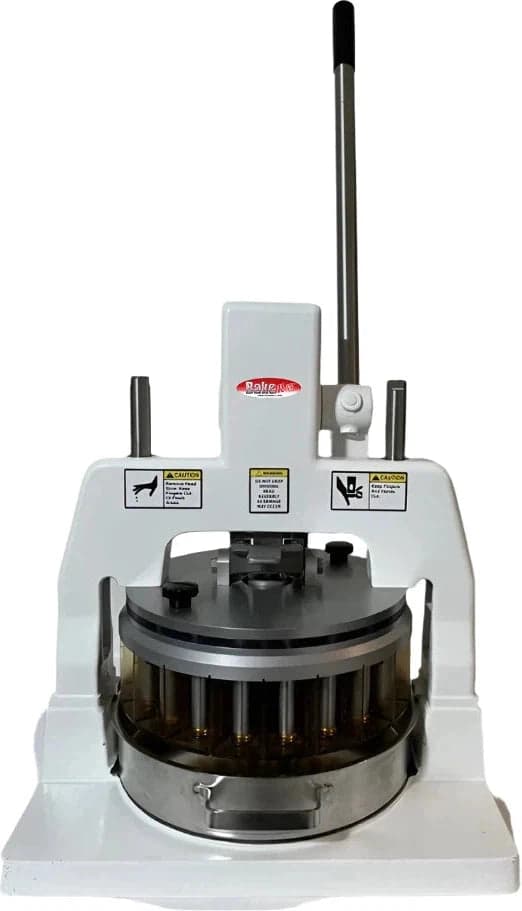
BMDMIH36
Bakemax – Commercial Countertop Manual Dough Hand Bun Divider with 36 Parts – BMDMIH36
$7,499.99
In stock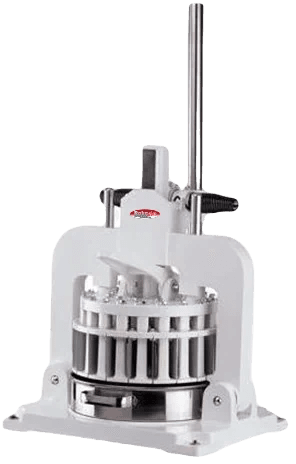
BakeMax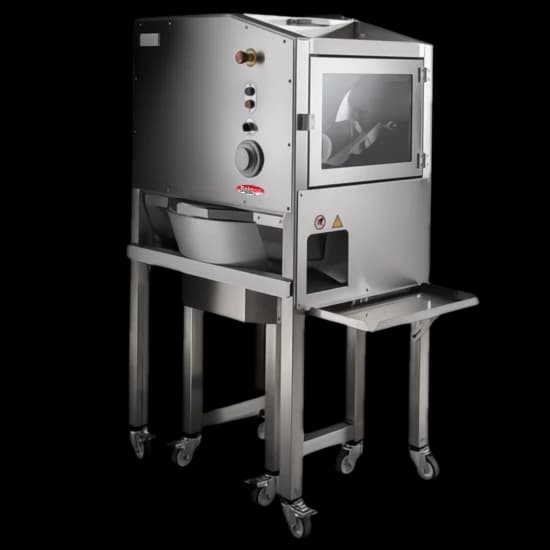
BMDD007
BakeMax BMDD007 Floor Model Electric Automatic Dough Divider Rounder Combo
$47,320.00
In stockBakeMax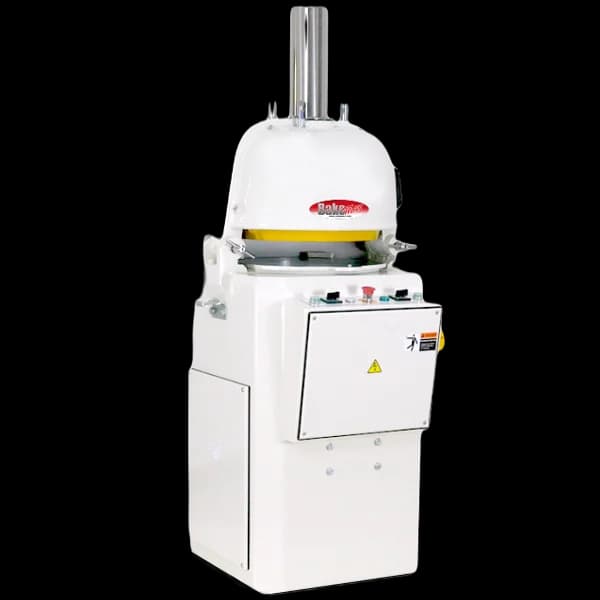
BMBDF36
BakeMax BMBDF36 Floor Model 36 Division Fully Automatic Dough Divider Rounder
$29,013.33
In stock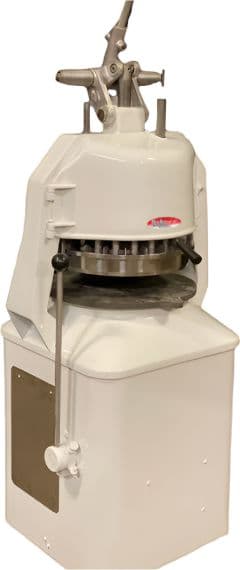
Trento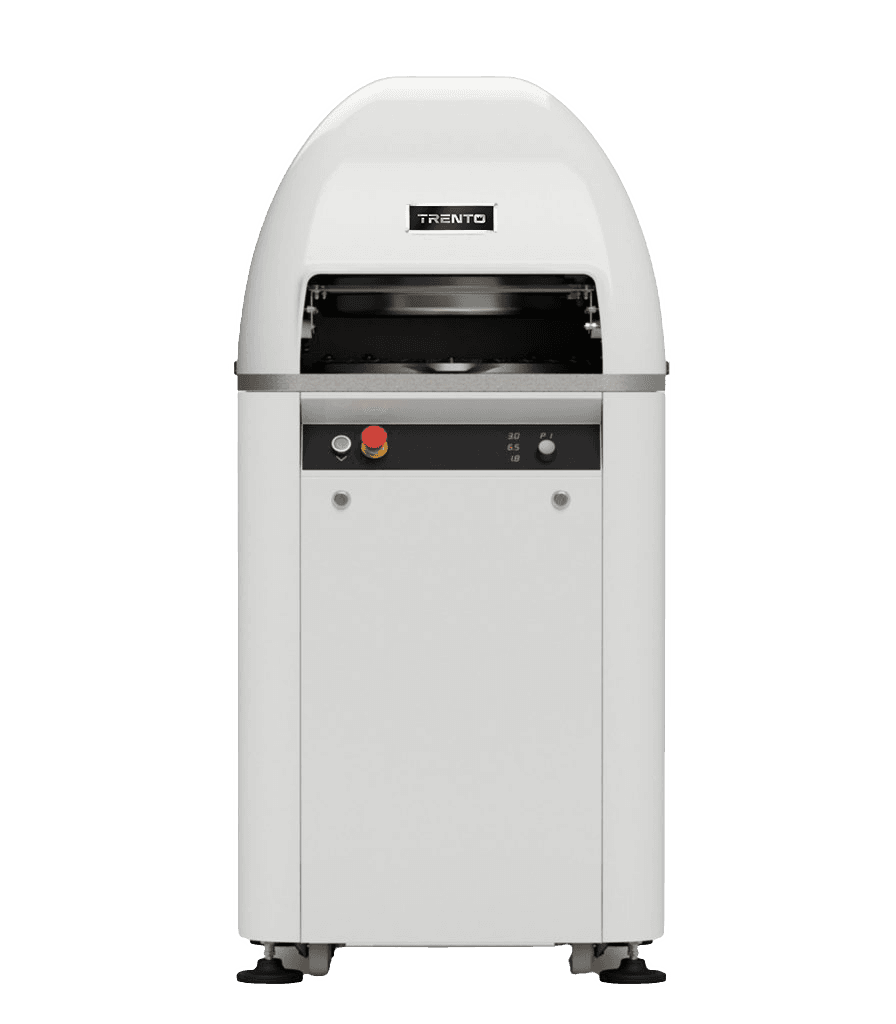
OM47580
Trento 15-Division Auto Bun Rounding Divider – 220V / 3 Phase – 47580
$28,617.95
In stock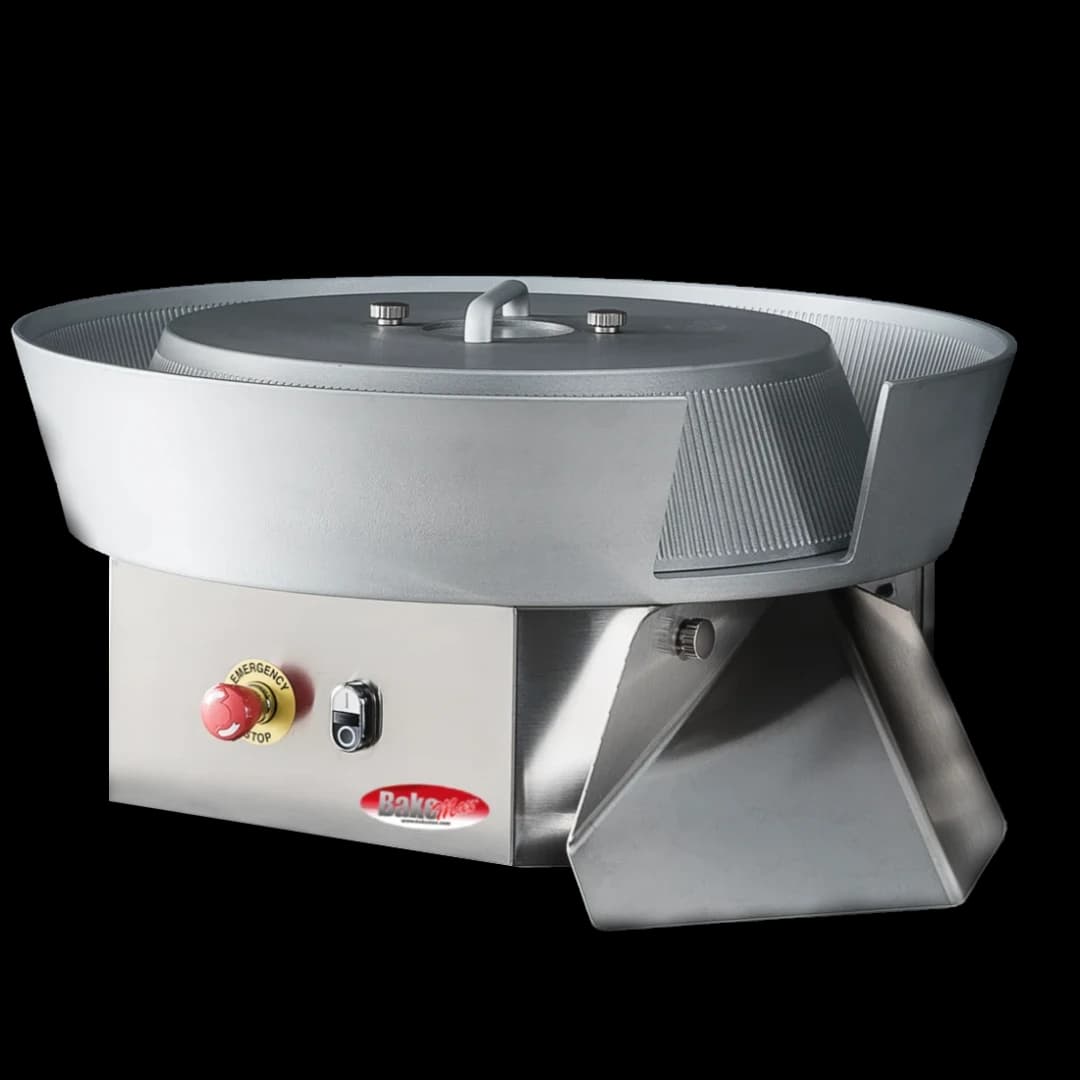
Trento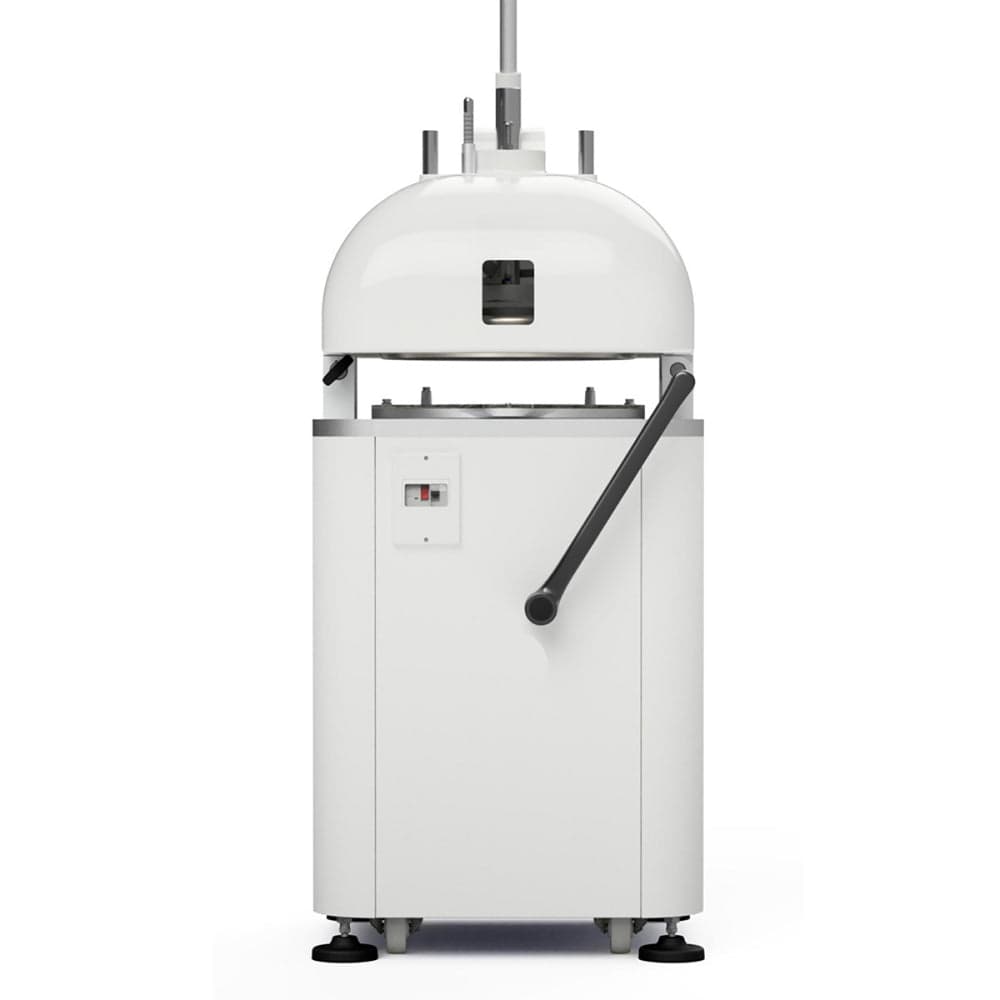
S-OM48582
Trento 15-Division Manual Bun Rounding Divider – 220V / 1 Phase – 48582
$17,376.87
In stock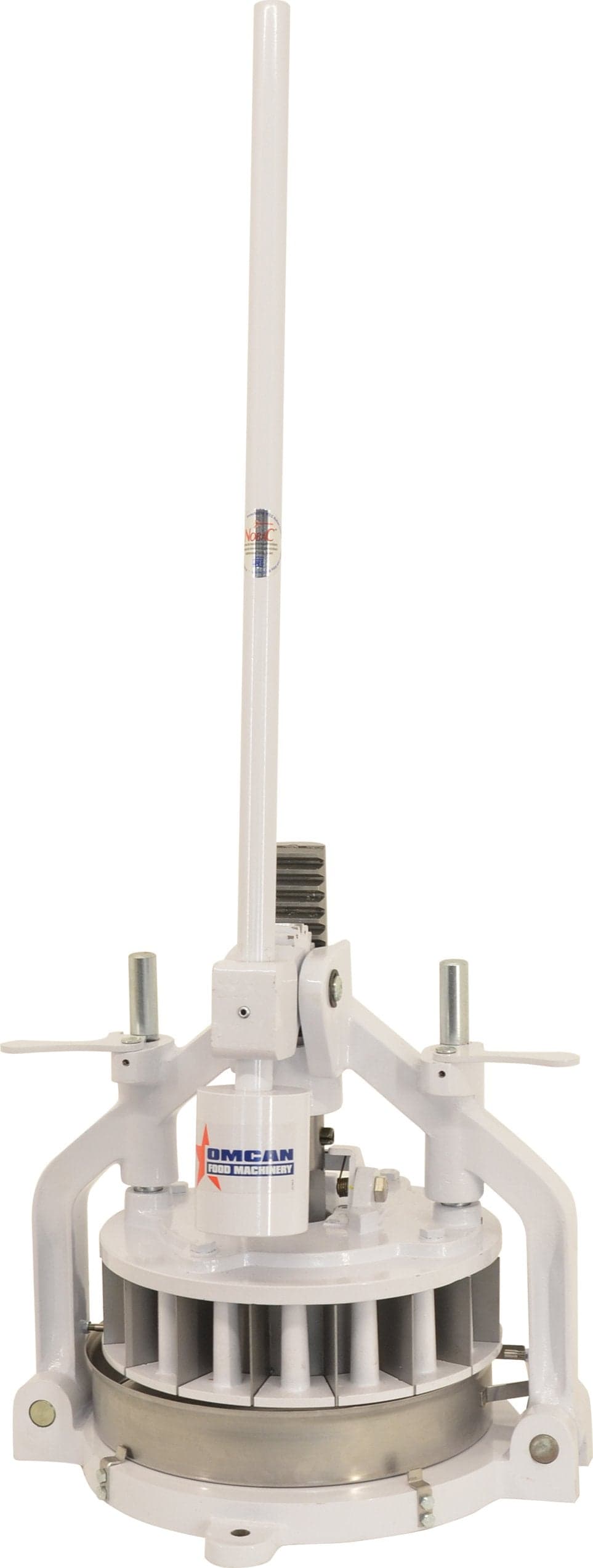
About commercial dough Divider/Rounder products
Before you buy
- Confirm the piece weight range and the number of divisions per cycle against the rolls, buns or dough balls you actually make.
- Check which dough types and hydrations the manufacturer recommends, because a divider set up for firm bun dough may tear or stick with a very wet dough.
- Decide between a divider, a rounder and a combined divider-rounder by looking at which step takes your staff the longest today.
- Check whether the cutting head or plates can be changed for a different number of divisions, which lets one machine cover both small rolls and larger pieces.
- Compare manual and automatic cycles by how many batches you divide per shift, since an automatic cycle frees the operator while the machine presses, cuts and rounds.
Common questions
How accurate is a dough divider?
- Most dividers portion by volume, so accuracy depends on consistent dough: the same recipe, mixing time and temperature give pieces that weigh the same. Changes in hydration or fermentation shift the weight of each piece. Weigh a sample from each batch and adjust the dough weight you load when it drifts.
Can one machine divide and round dough balls?
- Yes. A divider-rounder presses a measured batch into a set number of equal pieces and then rounds them with an oscillating motion in the same cycle, which suits rolls, buns and smaller dough balls. Larger pizza dough balls are often rounded on a separate rounder, so check the weight range before choosing.
Where does a divider fit in the dough workflow?
- It sits between the mixer and the proofer or cooler. Dough is mixed and given its bulk rest, then divided and rounded, and the balls go onto proofing trays or into the walk-in, so plan bench space and trays around the divider as well as floor space for the machine.
How much do commercial dough Divider/Rounder products cost?
- List prices on Norpex range from $3,831.44 to $47,320 CAD, with a median of $16,824.05 across 32 priced models; prices are list prices before tax and shipping. Models without a listed price are quoted on request.
What types of commercial dough Divider/Rounder products do you carry?
- Norpex lists these types of commercial dough Divider/Rounder products, with the number of models of each: countertop (9) and floor (9).
Which brands of commercial dough Divider/Rounder products do you carry?
- Norpex lists 33 commercial dough Divider/Rounder products. The brands with the most models listed are BakeMax with 24 and Trento with 7.
Do you ship commercial dough Divider/Rounder products across Canada?
- Norpex ships to delivery addresses across Canada. Equipment ships from distributor warehouses, so dispatch timing depends on the supplier and the destination. For items that can be bought online, shipping is calculated at checkout from live carrier rates for the delivery address and confirmed before payment. There is no automatic free-shipping or flat-rate offer.
Outfitting a whole location?
Send the list or the floor plan. Project pricing beats cart pricing, and it comes back within one business day.