Ice Machines
459 products
Ice machines make ice for drinks, food displays and cooling. Choices include modular heads that sit on a separate bin or dispenser, self-contained undercounter units with their own bin, and compact countertop models. Restaurants, bars, hotels, healthcare facilities and convenience stores choose by the ice type they need and how much they use on their busiest day, then by how the machine gets rid of its heat.
459 products
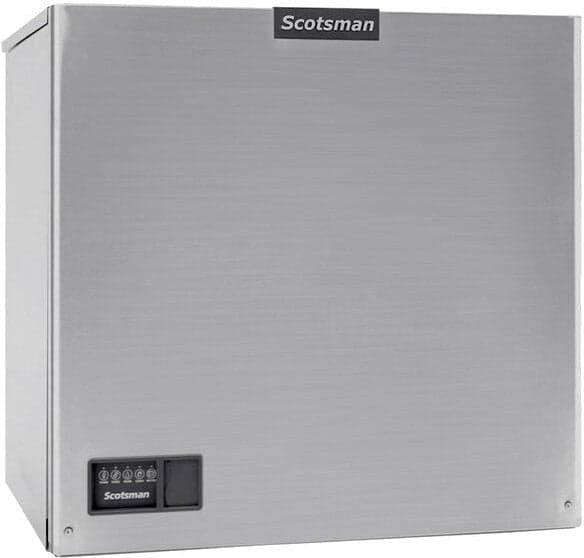
MC1030SR-3
Scotsman – Prodigy Elite 30″ Remote Cooled 3-Phase Small Cube Ice Machine with 996 lbs Capacity – MC1030SR-3 (ETA 5-8 Weeks)
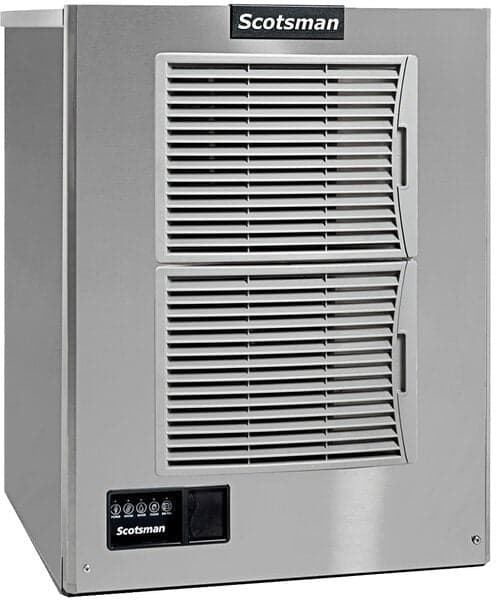
MC0722SA-32
Scotsman MC0722SA-32 Prodigy Elite 22″ Air Cooled Modular Small Cube Ice Machine – 758 Lbs
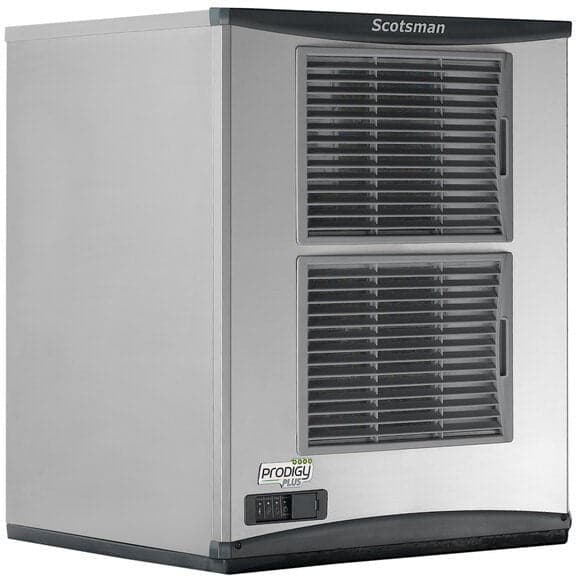
NS0922A-1
Scotsman – Prodigy Plus 22″ Air Cooled 120V Nugget Ice Machine with 956 lb/24 hr Capacity – NS0922A-1 (ETA 5-8 Weeks)
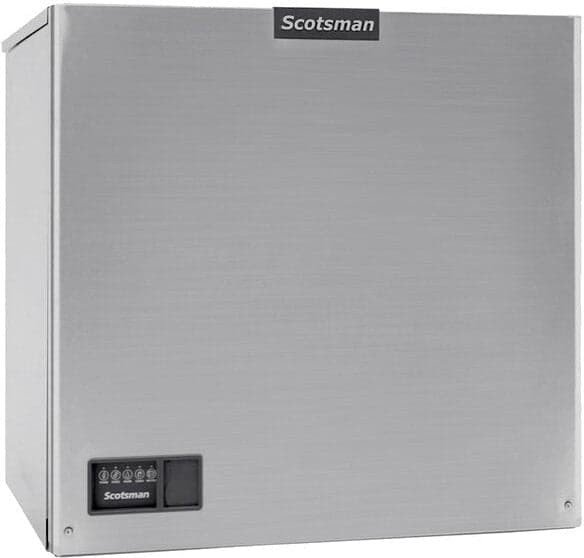
MC1030MR-3
Scotsman – Prodigy Elite 30″ Remote Cooled 3-Phase Medium Cube Ice Machine with 996 lbs Capacity – MC1030MR-3 (ETA 5-8 Weeks)
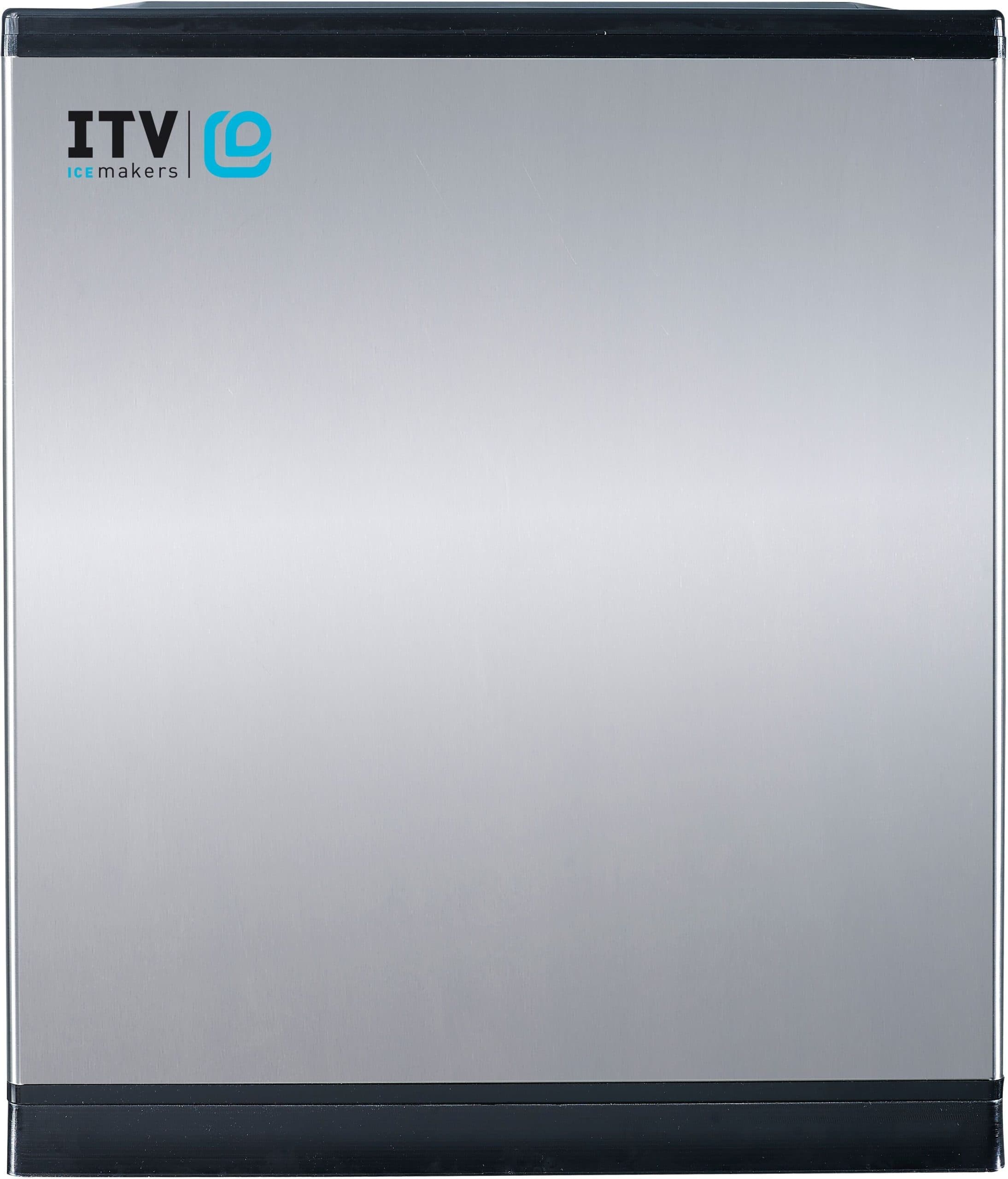
18502
ITV Ice Makers – SPIKA MS 700-22, 230 V Full Dice Modular Ice Cube Machine With Air-Cooled – MS 700-22 A2F
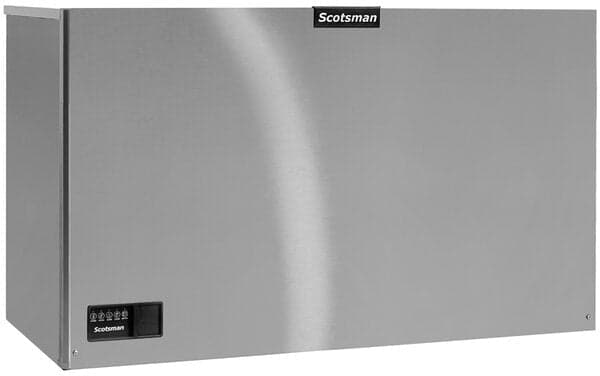
MC1448SW-3
Scotsman – Prodigy Elite 48″ Water Cooled 3-Phase Small Cube Ice Machine with 1444 lbs Capacity – MC1448SW-3 (ETA 5-8 Weeks)
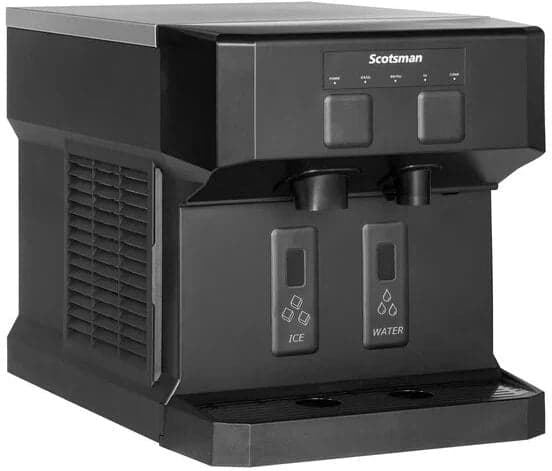
HID207AX-1
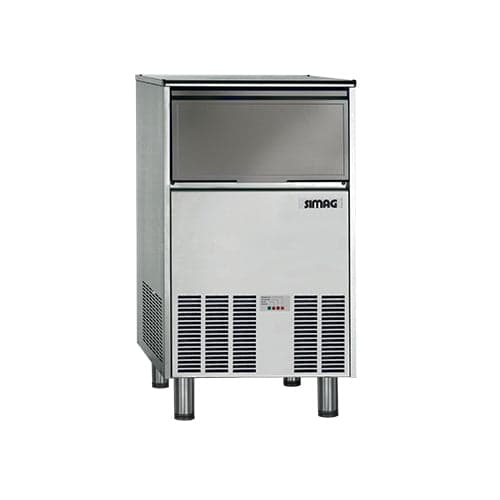
Scotsman HID207AX-1 16″ Meridian Touch-Free Air Cooled Compact Countertop Nugget Ice Machine and Water Dispenser – 196 Lbs.
MC1448SR-3
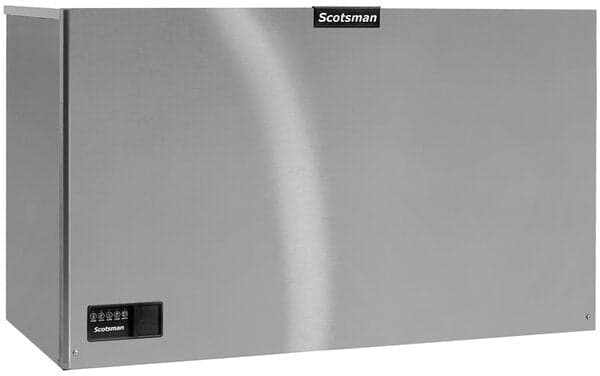
Scotsman – Prodigy Elite 48″ Remote Cooled 3-Phase Small Cube Ice Machine with 1357 lbs Capacity – MC1448SR-3 (ETA 5-8 Weeks)
10132
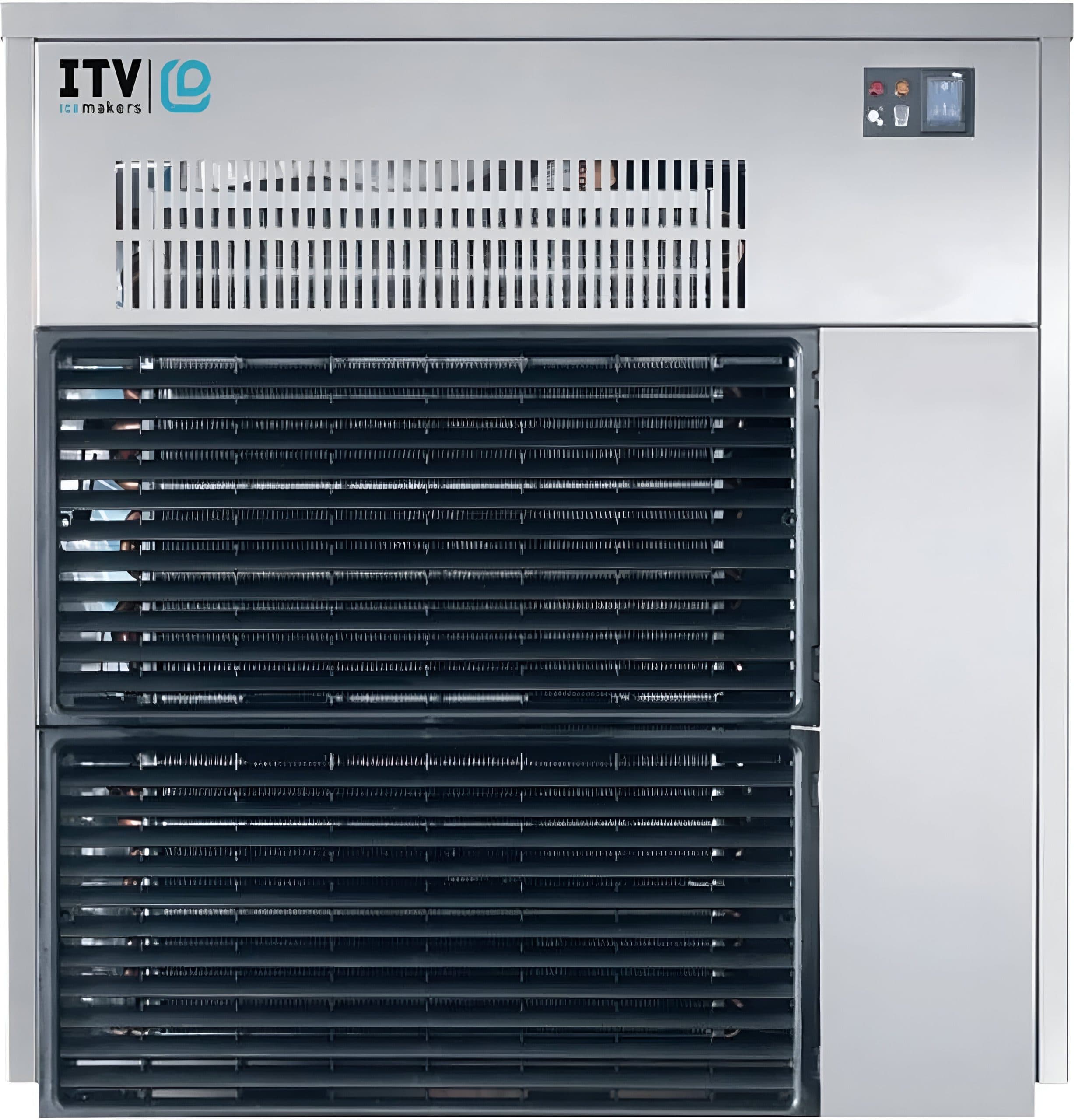
ITV Ice Makers – IQ 900 Modular Granular/Flaker Air-Cooled Ice Machine – IQ 900 A
MC0322MW-1
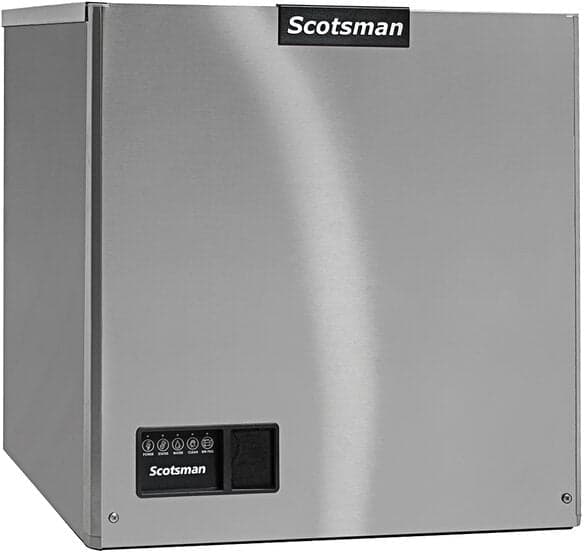
Scotsman – Prodigy Elite 22″ Water Cooled Medium Cube Ice Machine with 366 lbs Capacity – MC0322MW-1 (ETA 5-8 Weeks)
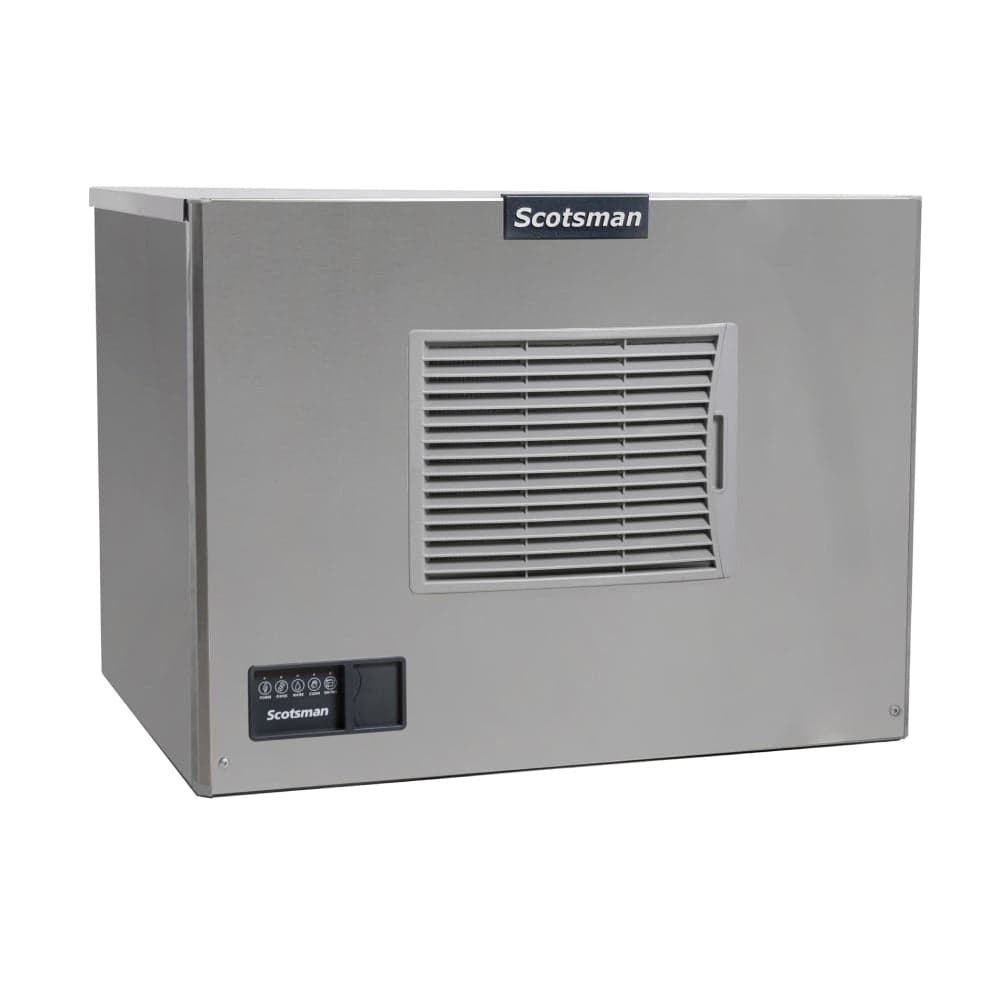
MC0330SAX-1
Scotsman MC0330SAX-1 30″ Prodigy Elite Air Cooled Modular Small Cube Ice Machine – 365 Lbs.
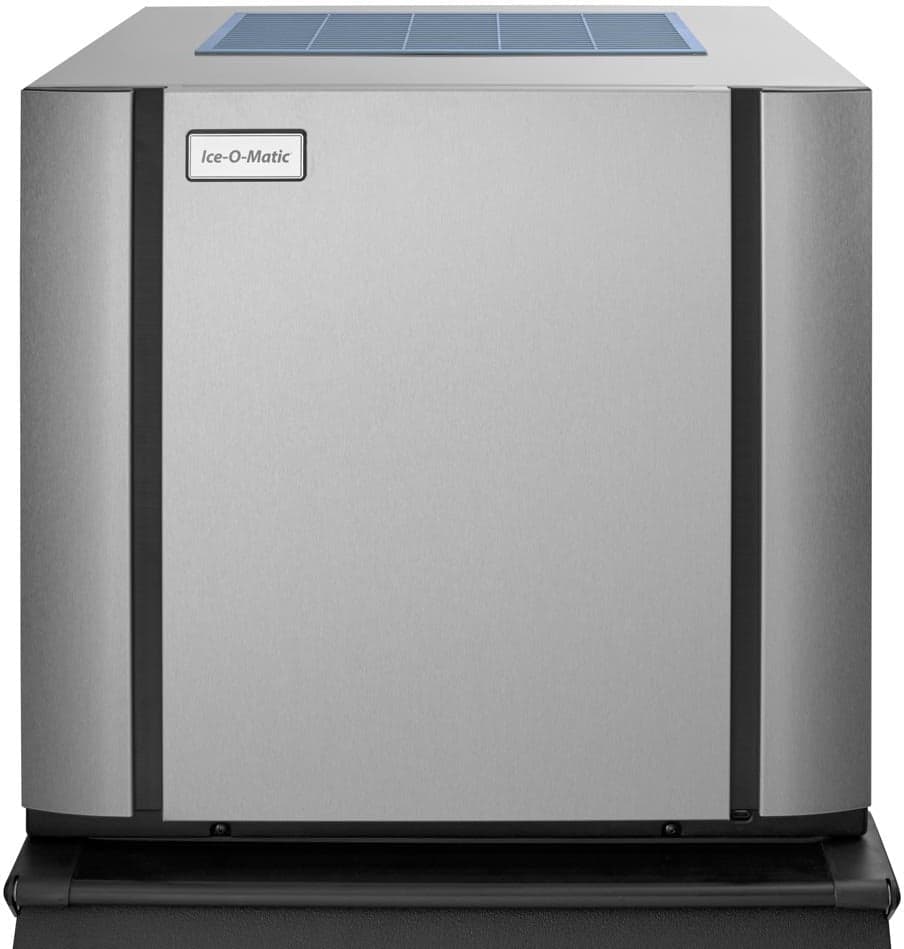
CIM1136FA90
Ice-O-Matic – Elevation Series™ 30″ 932 lb Air Cooled Full Dice Cube Ice Machine – CIM1136FA90
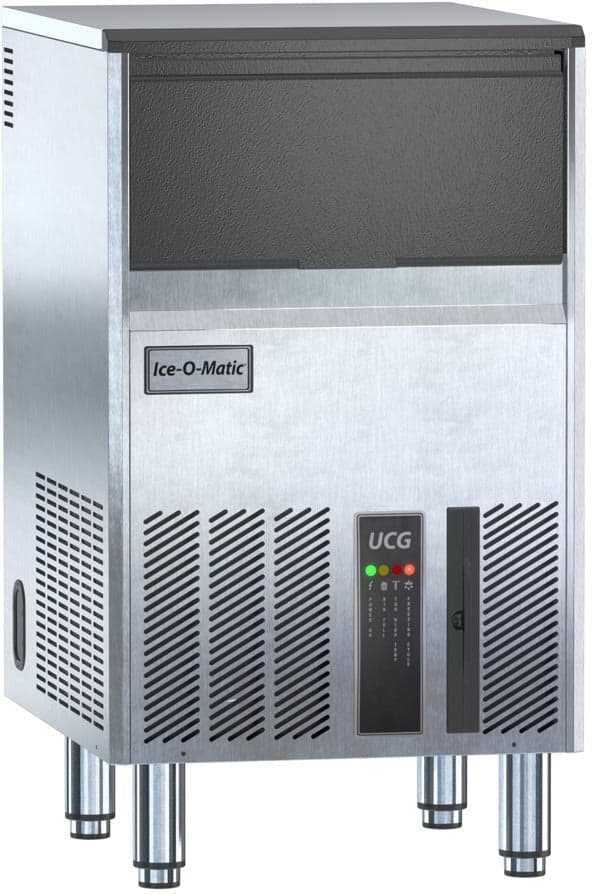
UCG080A
Ice-O-Matic – 99 lb Gourmet Cube-Style Undercounter Air-Cooled Self-Contained Condenser Cube Ice Maker – UCG080A (Not Available in Canda)
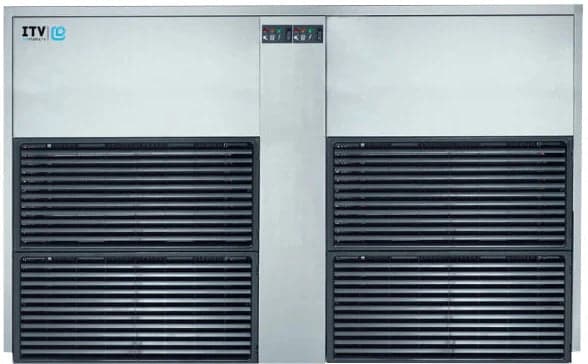
10172
ITV Ice Makers – IQ 2700 Modular Granular/Flaker Air-Cooled Ice Machine – IQ 2700 A
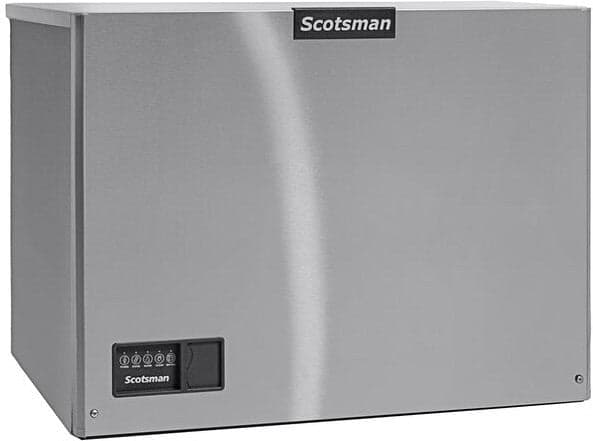
MC0630SW-32
Scotsman – Prodigy Elite 30″ Water Cooled Small Cube Ice Machine with 633 lbs Capacity – MC0630SW-32 (ETA 5-8 Weeks)
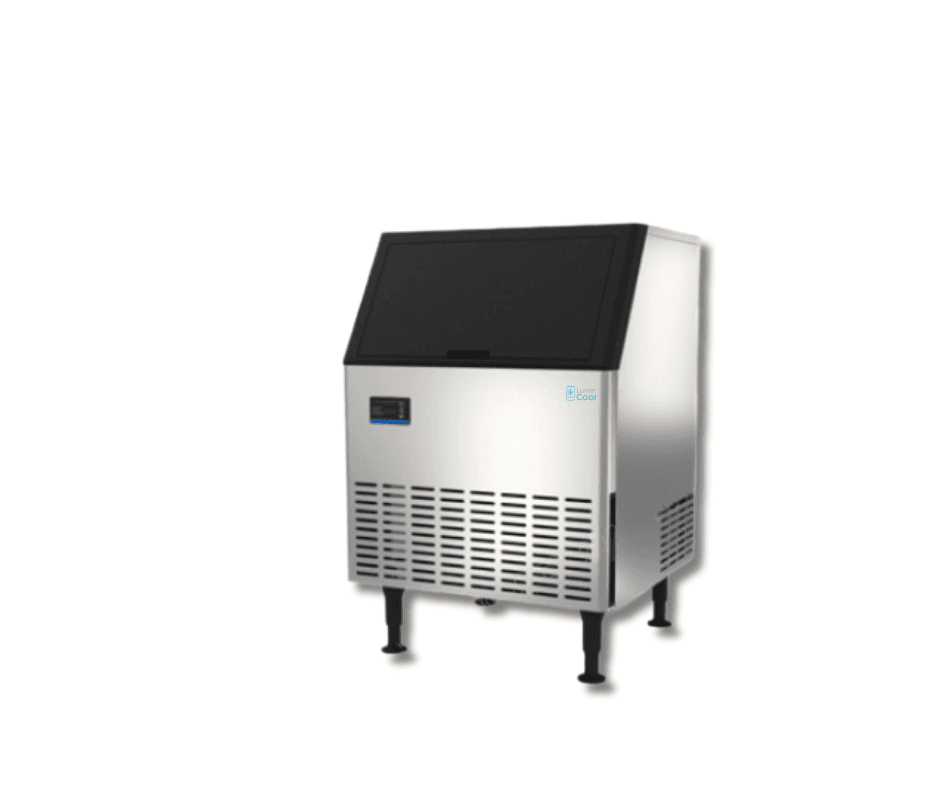
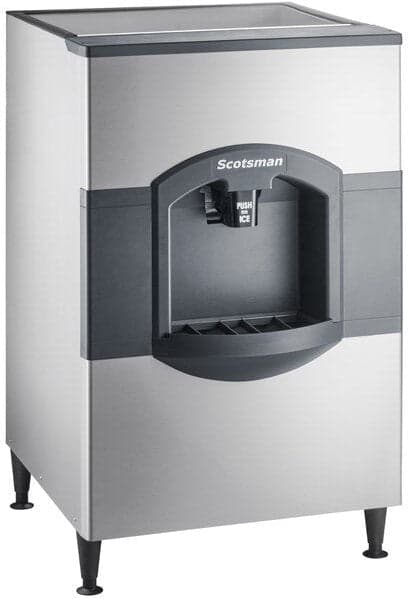
HD30B-1
Scotsman – iceValet 30″ Wide Hotel Ice Dispenser with 180 lbs Capacity – HD30B-1 (ETA 5-8 Weeks)
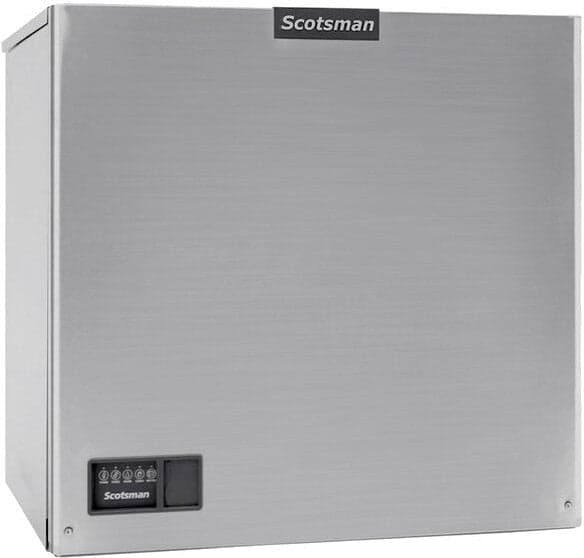
MC1030SR-32
Scotsman – Prodigy Elite 30″ Remote Cooled Small Cube Ice Machine with 996 lbs Capacity – MC1030SR-32 (ETA 5-8 Weeks)
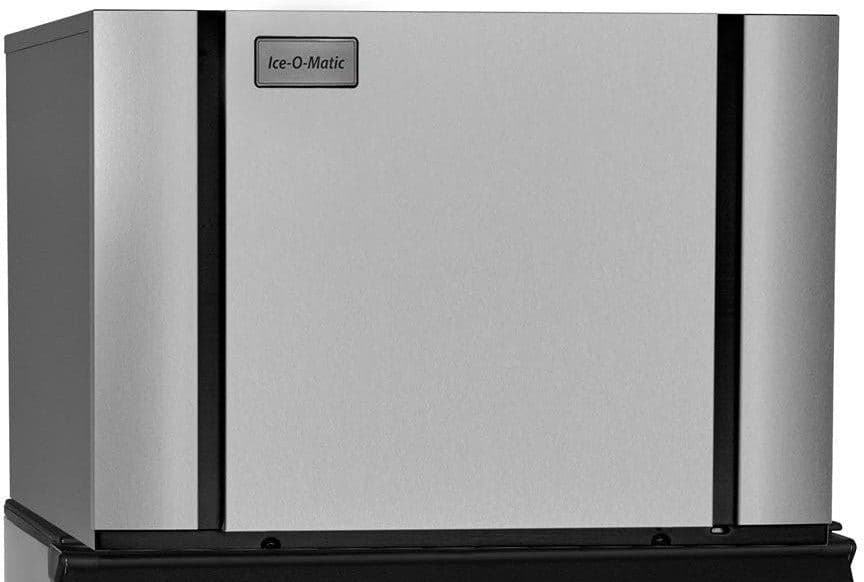
CIM2047HR
Ice-O-Matic – Elevation Series™ 48″ 1830 lb Remote Cooled Half Dice Cube Ice Machine – CIM2047HR
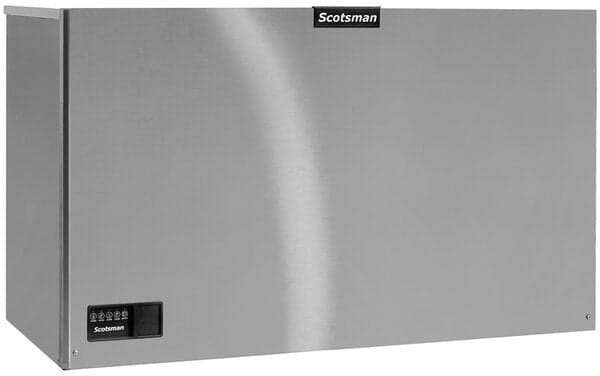
MC1448MR-3
Scotsman – Prodigy Elite 48″ Remote Cooled 3-Phase Medium Cube Ice Machine with 1357 lbs Capacity – MC1448MR-3 (ETA 5-8 Weeks)
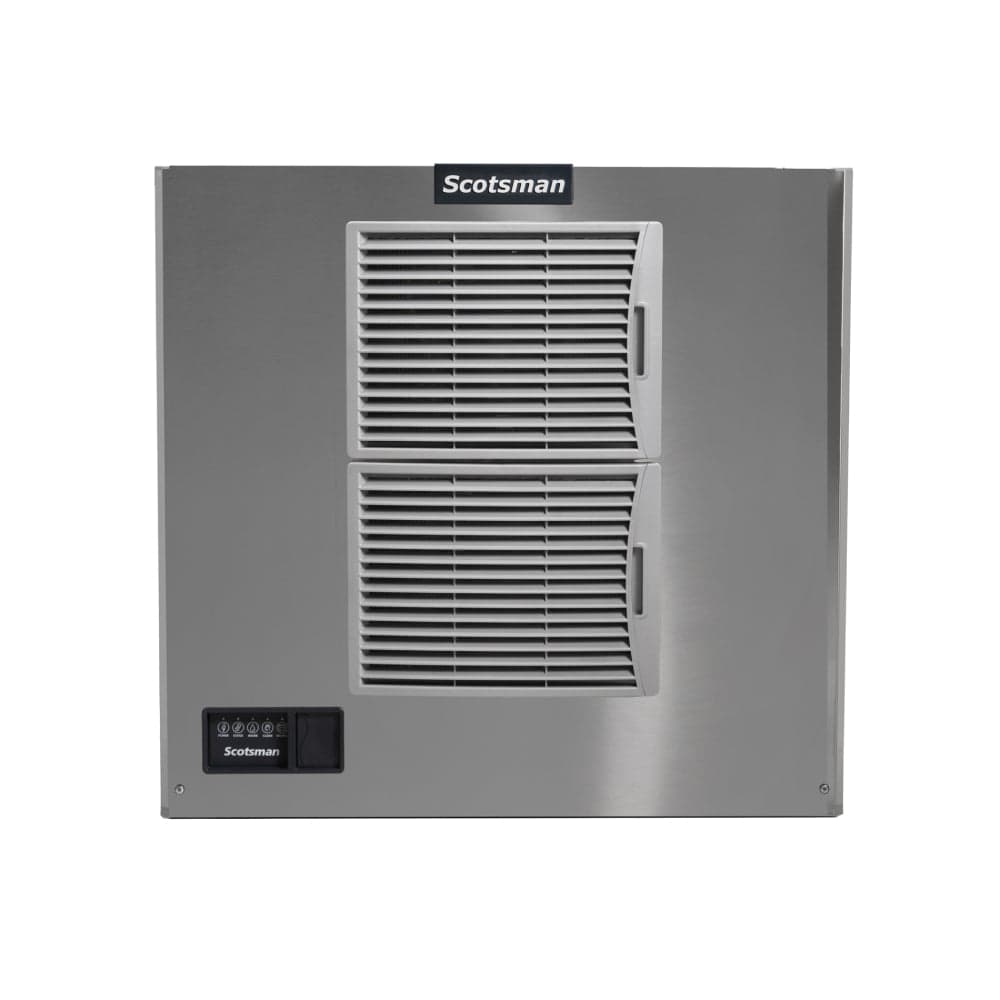
083032
Scotsman MC0830SAX-32 30″ Prodigy Elite Air Cooled Modular Small Cube Ice Machine – 921 Lbs.
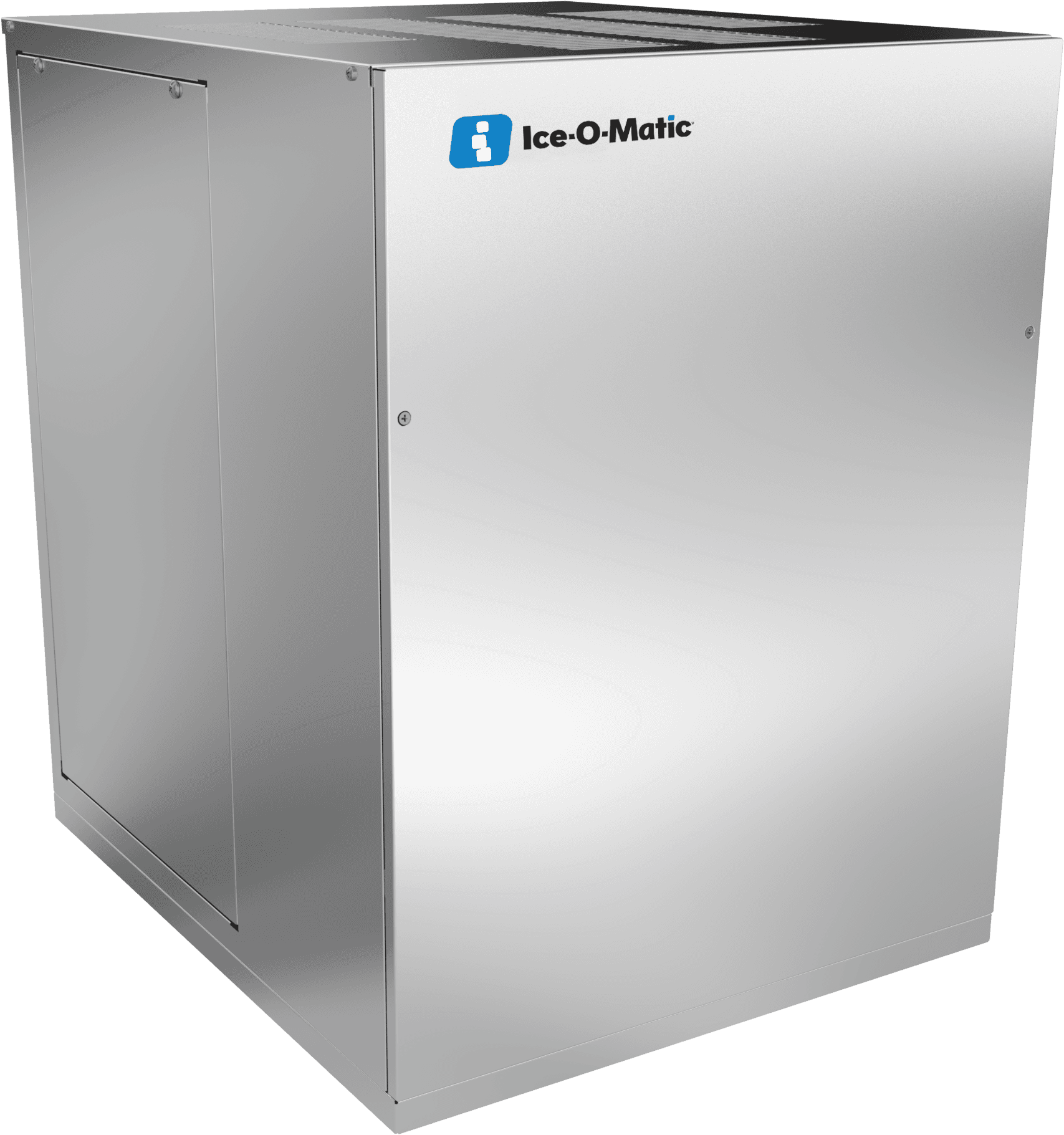
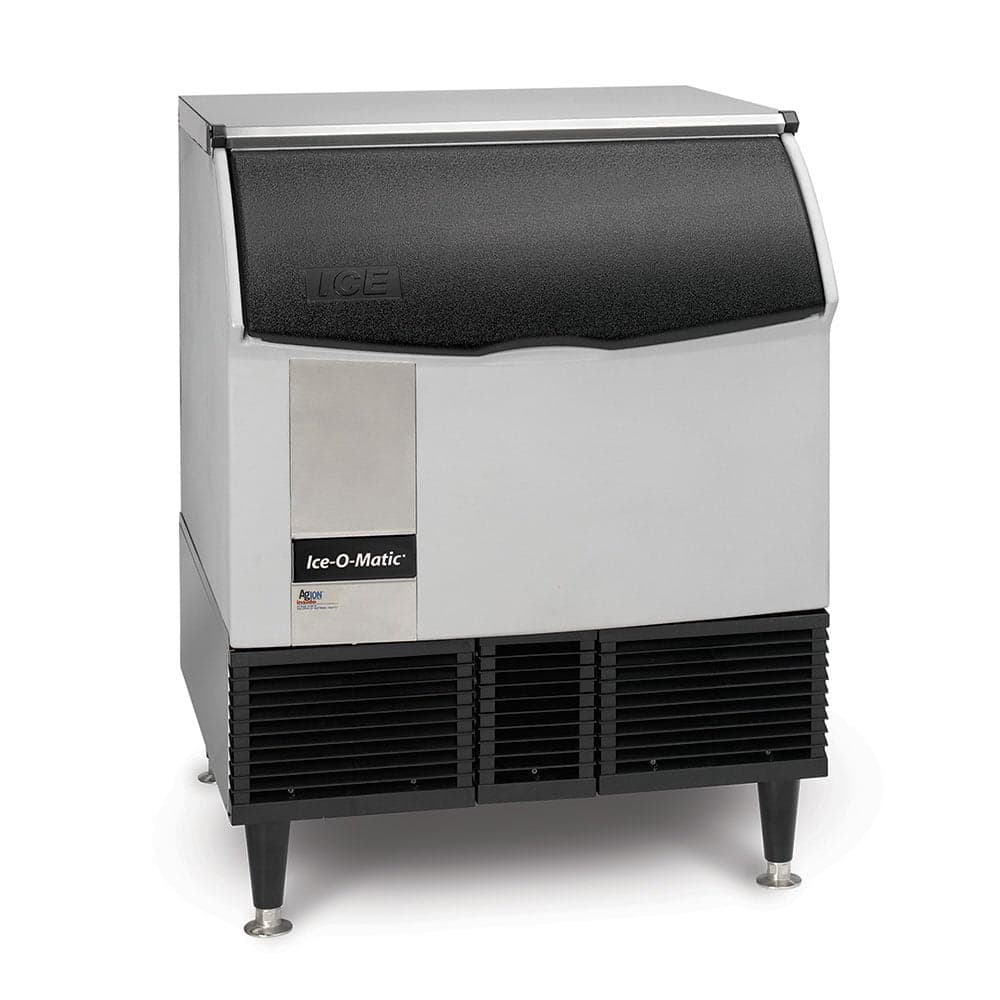
About commercial ice machines
Before you buy
- Estimate peak daily ice use and compare it with production ratings, remembering that ratings are measured at standard room and water temperatures and real output drops in a hot room or with warm incoming water.
- Pick the ice shape for the job: full and half cubes for drinks, nugget ice for chewable ice and blended drinks, and flake ice for seafood displays and food cooling.
- Choose air-cooled, water-cooled or remote condensing based on the room, since air-cooled units add heat to the space, water-cooled units use extra water, and remote condensers move heat and noise outside.
- Plan a cold water line, a drain connection with the air gap your plumbing code requires, and a water filter suited to your local water, because scale is a common cause of ice machine trouble.
- For a modular head, confirm the bin or dispenser is compatible with that model and large enough to hold what you use at peak.
Common questions
What is the difference between cube, nugget and flake ice?
- Cube ice is hard, clear and slow to melt, which suits most drinks and bagged ice. Nugget ice is soft, chewable and absorbs flavour, so it is popular for soft drinks and in healthcare settings. Flake ice is moist and moulds around products, which makes it the usual choice for seafood and produce displays and for cooling food quickly.
Where does an air-cooled ice machine need to go?
- In a room with enough air to carry its heat away, with the clearances the installation manual gives. A hot, cramped closet or a spot next to cooking equipment cuts production and makes the machine work harder. If the location is warm or enclosed, a remote-condensing or water-cooled model may be a better fit.
How often does an ice machine need cleaning?
- Follow the manufacturer's schedule for descaling and sanitizing, and clean more often in hard-water areas. Ice is treated as food by most health units, so the bin and the ice scoop need the same care as any other food-contact surface. Changing the water filter on schedule reduces scale between cleanings.
How much do commercial ice machines cost?
- List prices on Norpex range from $1,000 to $29,959.99 CAD, with a median of $7,949.99 across 459 priced models; prices are list prices before tax and shipping.
What types of commercial ice machines do you carry?
- Norpex lists these types of commercial ice machines, with the number of models of each: undercounter (98) and countertop (16).
Which brands of commercial ice machines do you carry?
- Norpex lists 459 commercial ice machines. The brands with the most models listed are Scotsman with 167, Ice-O-Matic with 149, ITV with 66, Brema with 37 and Omcan with 14.
Do you ship commercial ice machines across Canada?
- Norpex ships to delivery addresses across Canada. Equipment ships from distributor warehouses, so dispatch timing depends on the supplier and the destination. For items that can be bought online, shipping is calculated at checkout from live carrier rates for the delivery address and confirmed before payment. There is no automatic free-shipping or flat-rate offer.
Outfitting a whole location?
Send the list or the floor plan. Project pricing beats cart pricing, and it comes back within one business day.