Ovens
972 products
This section covers convection and combi ovens for roasting and baking, deck, conveyor and wood-fired ovens for pizza, plus rotisseries, tandoors, commercial microwaves and toasters. The right choice depends on what you bake or roast, how much goes in at once and how quickly it has to come out. Bakeries, pizzerias, hotels, schools and full-service restaurants often run two or more types side by side.
972 products
48195
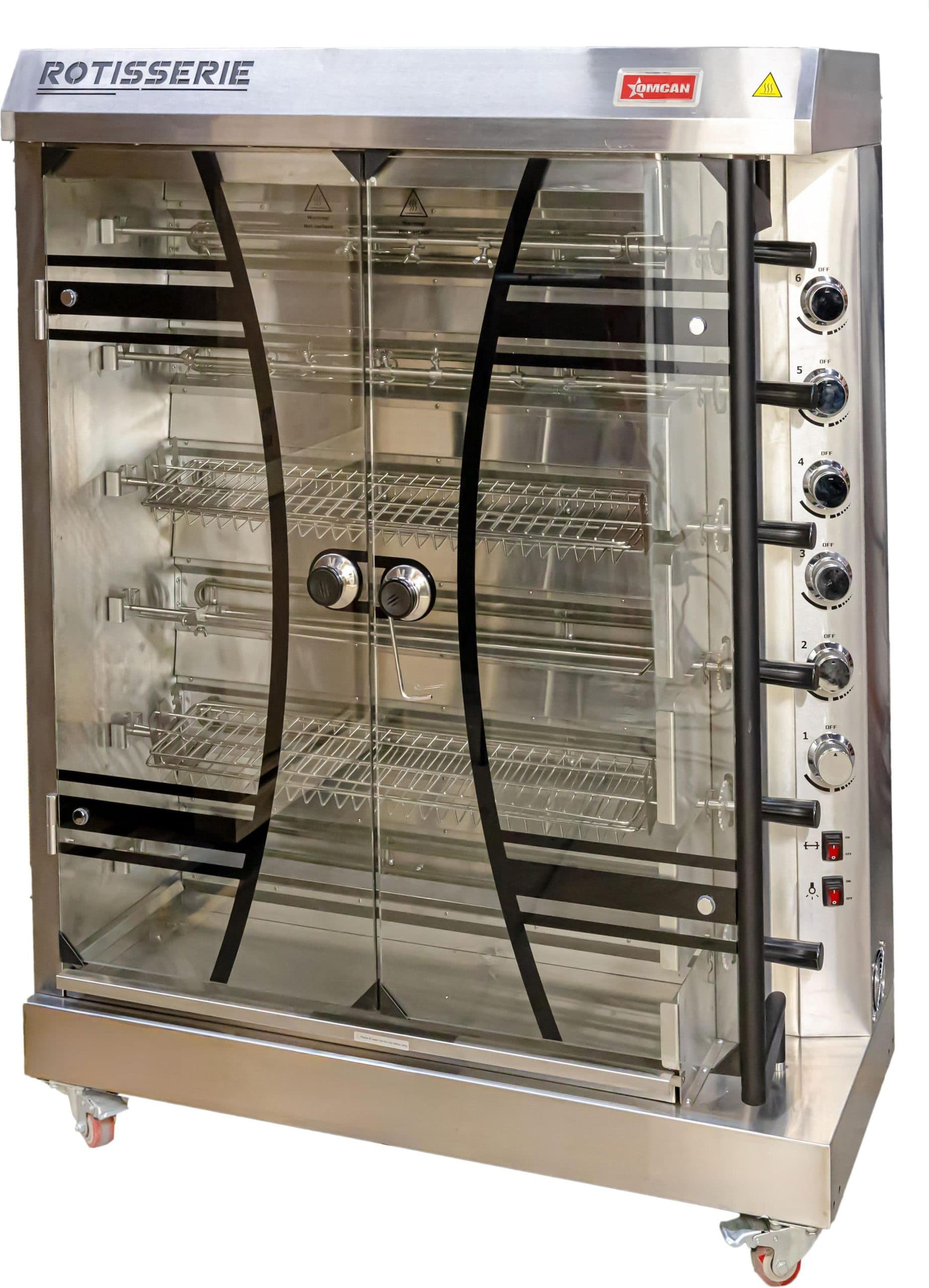
46″ Electric Rotisserie Grill, 6 Spits, up to 36 Chicken Capacity – 220 V, 3 Ph+N, 12kW
PM 451ED-1DW
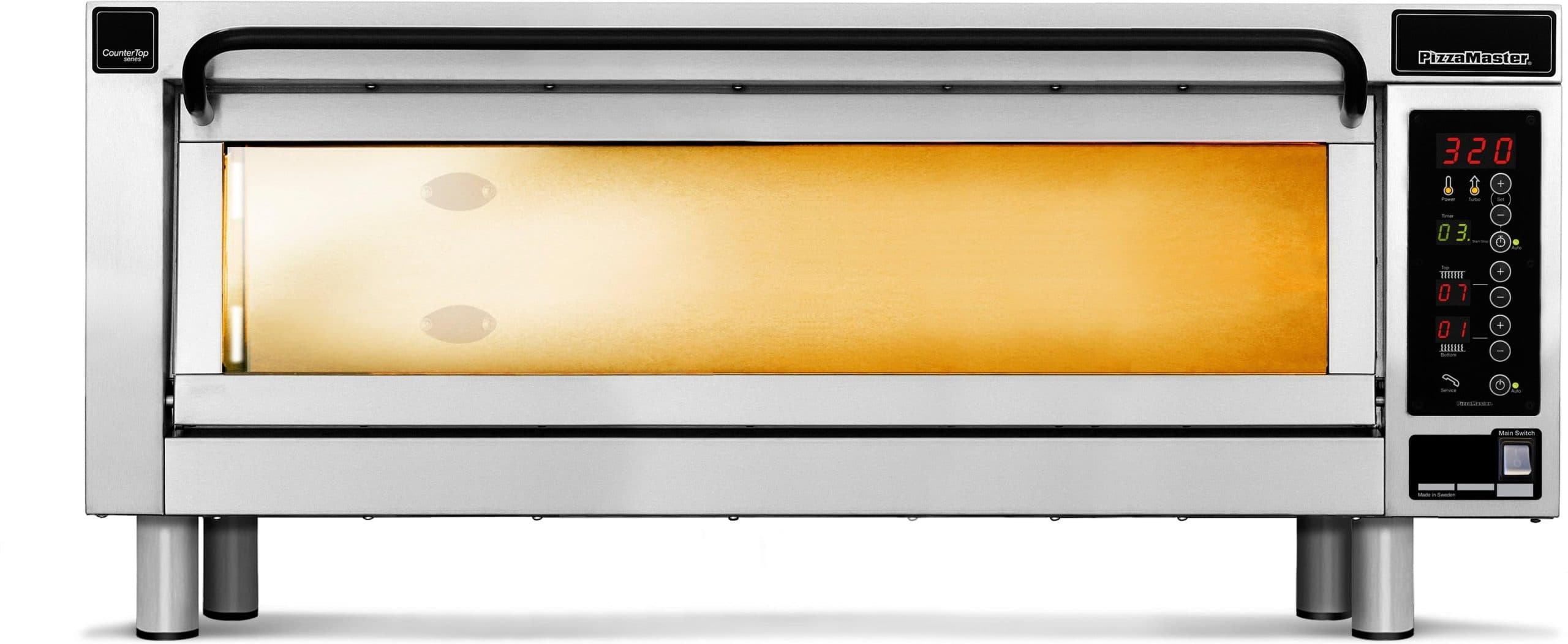
PizzaMaster – 450 Series 2 Stone Hearth, 1 Chamber, 45″ Countertop Electric Pizza Oven – PM 451ED-1DW
RDCO-32
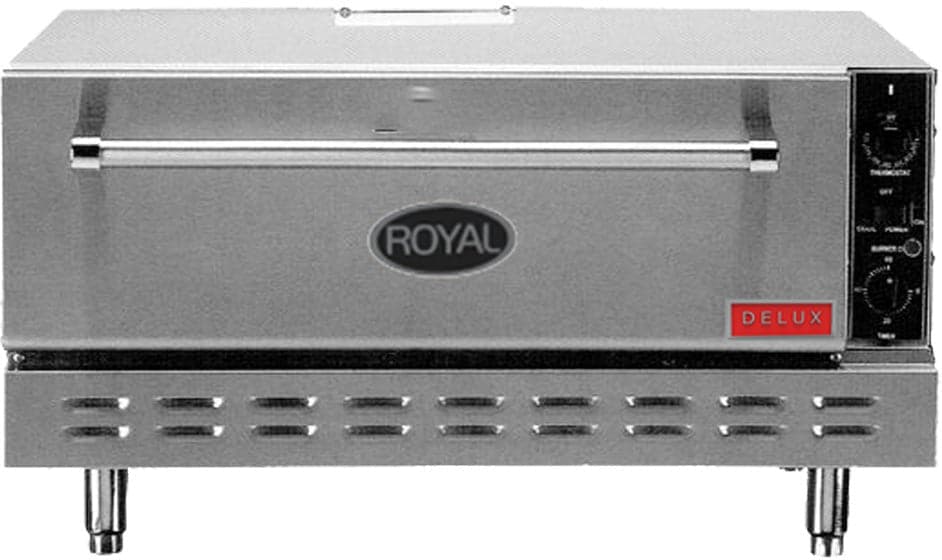
Royal – Delux 32.5″ Stainless Steel Counter Top Gas Convection Oven – RDCO-32
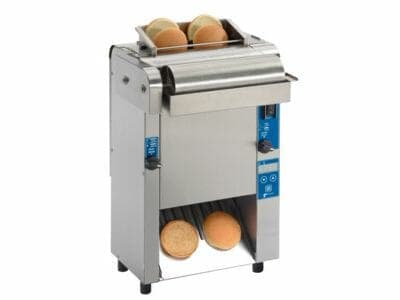
VCTM-2-9210916
Antunes – 208-230V Vertical Toaster with Variable Speed Motor with Auxiliary Heater – VCTM-2-9210916 (ETA 4-6 Weeks)
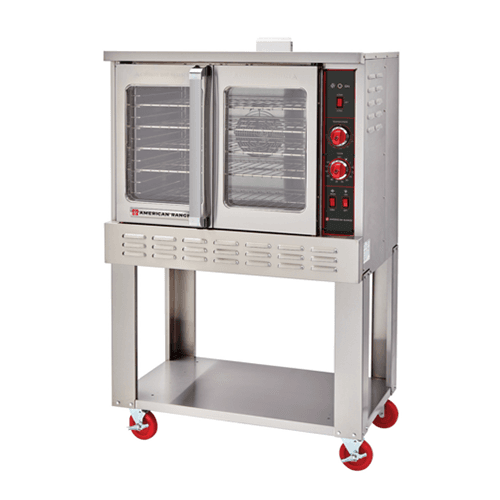
MSD-1-LP
American Range MSD-1-LP Single Standard Depth Full Size Propane Gas Convection Oven
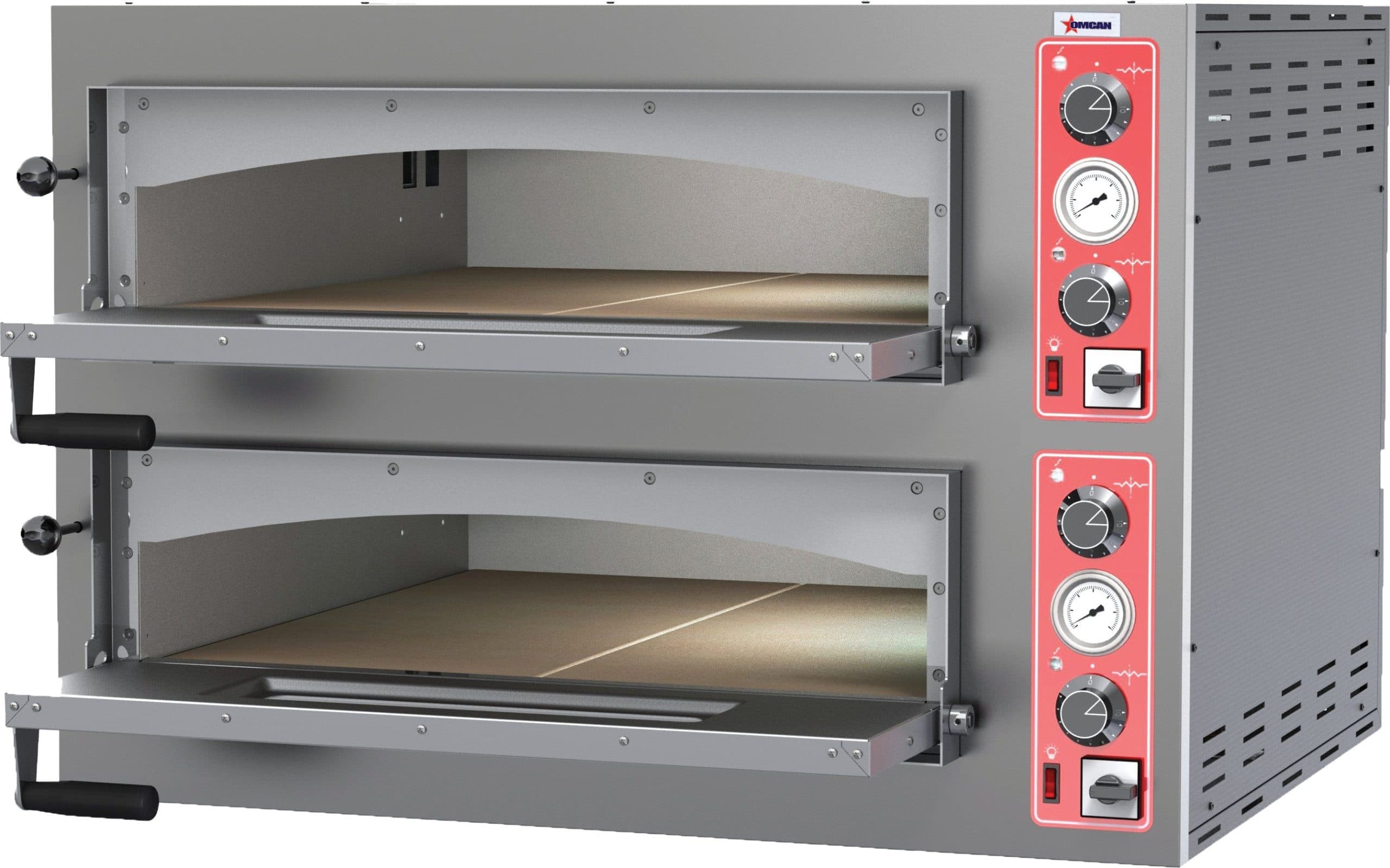
40636
Omcan – Pizza Oven Entry Max Series with 11.2 kW Power & Double Chamber (Three Phase) – PE-IT-0038-D
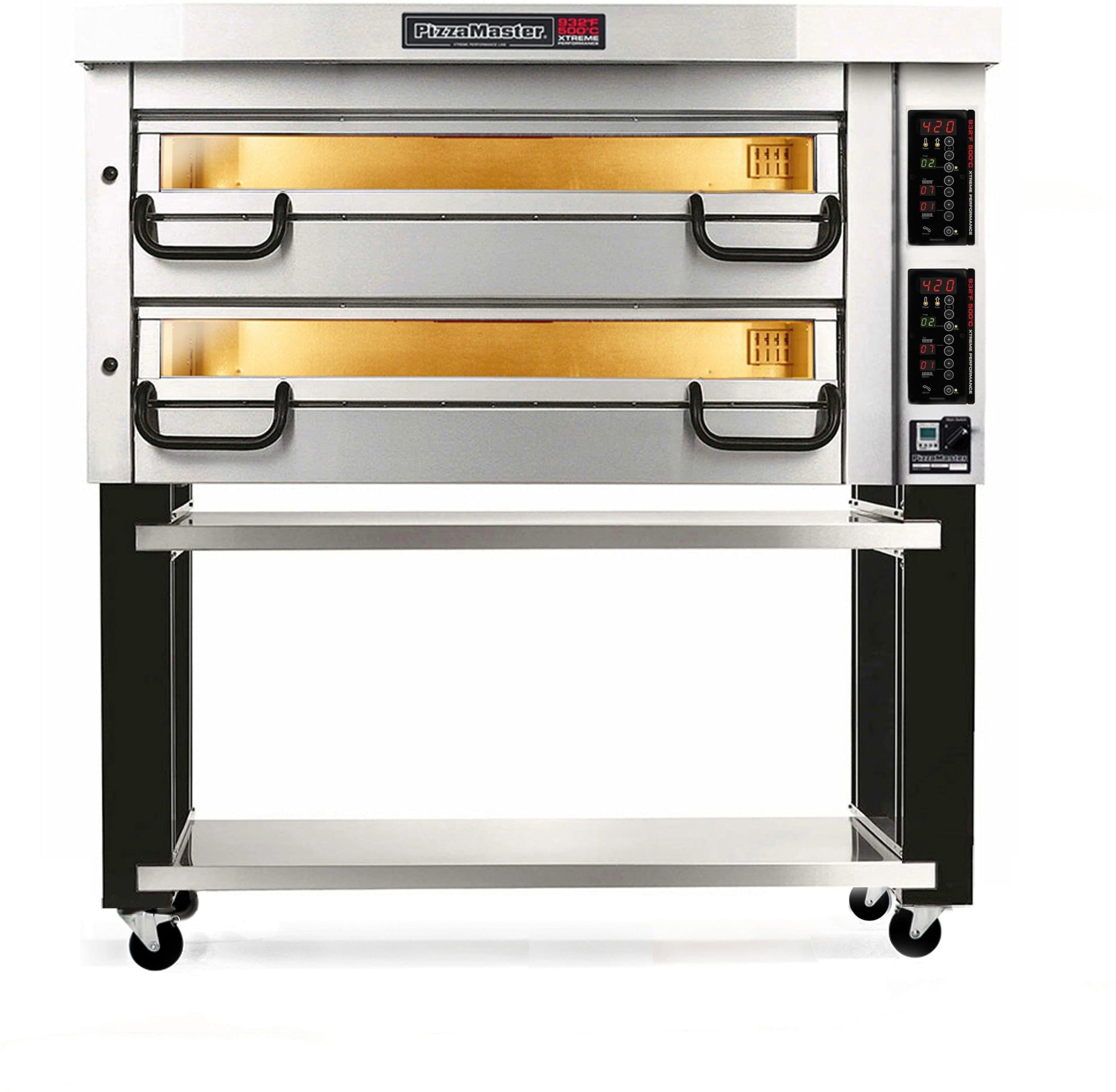
PM 922ED-1
PizzaMaster – 900 Series 2 Stone Hearth, 2 Deck, Modular Electric Pizza Oven – PM 922ED
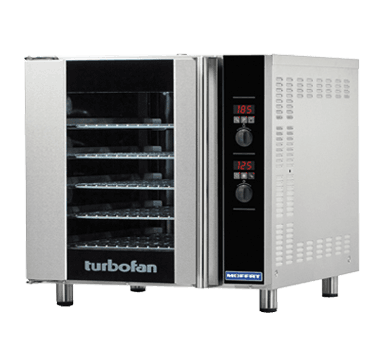
E32D5.220/240V
Turbofan – 29″ Full Size Sheet Pan Digital Electric Convection Oven 220-240V – E32D5
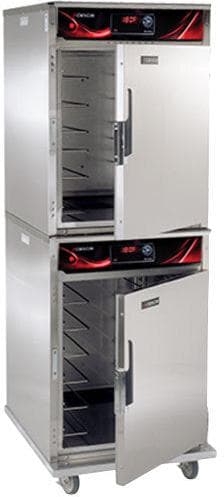
CO151HUA6DESTK
Cres Cor – Full Height Roast-N-Hold Convection Oven with Standard Controls, 208V, 1 Phase, 4700W – CO151HUA6DESTK (Pre-Order Now, ETA 4-6 Weeks)
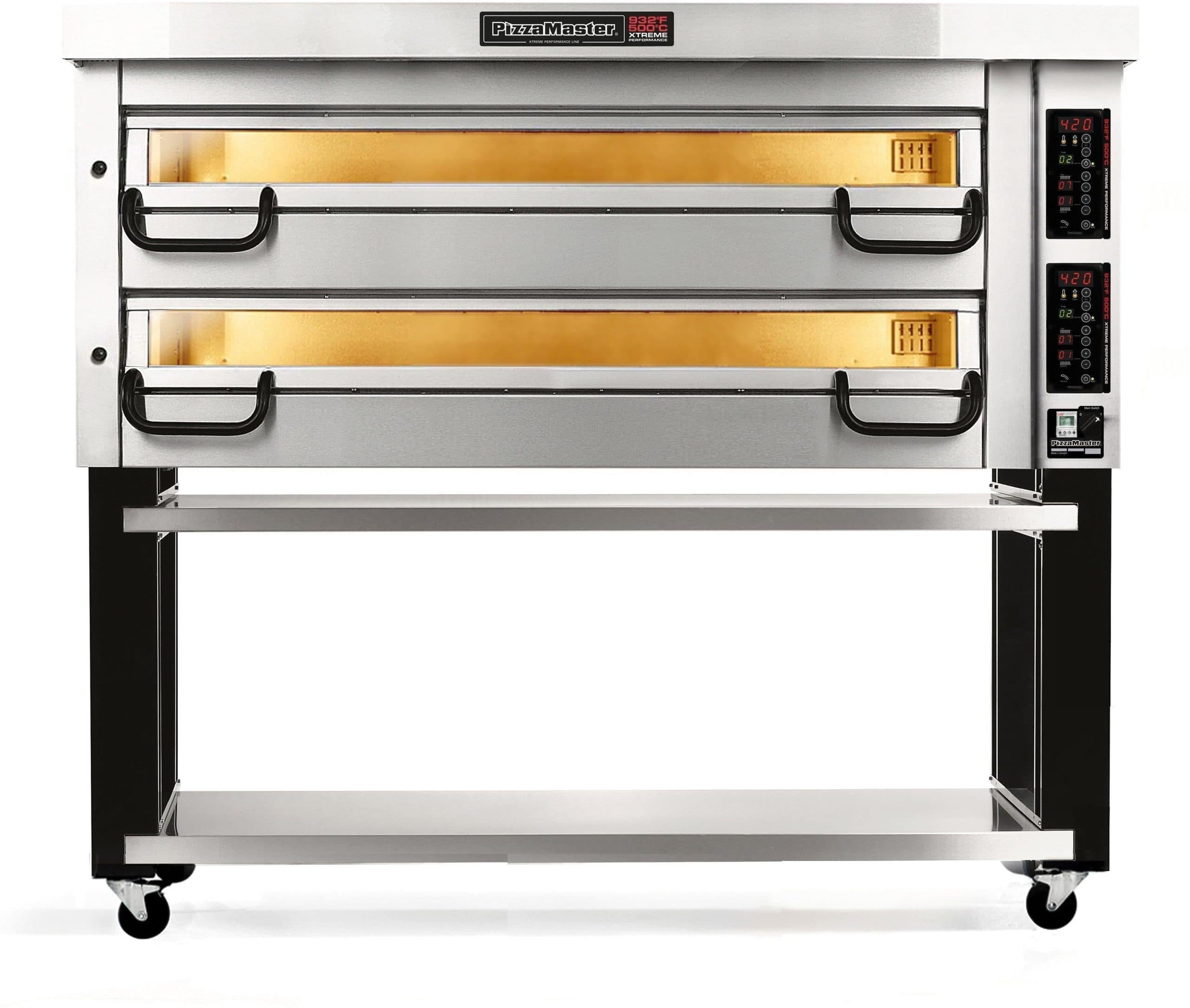
PM 932ED-5
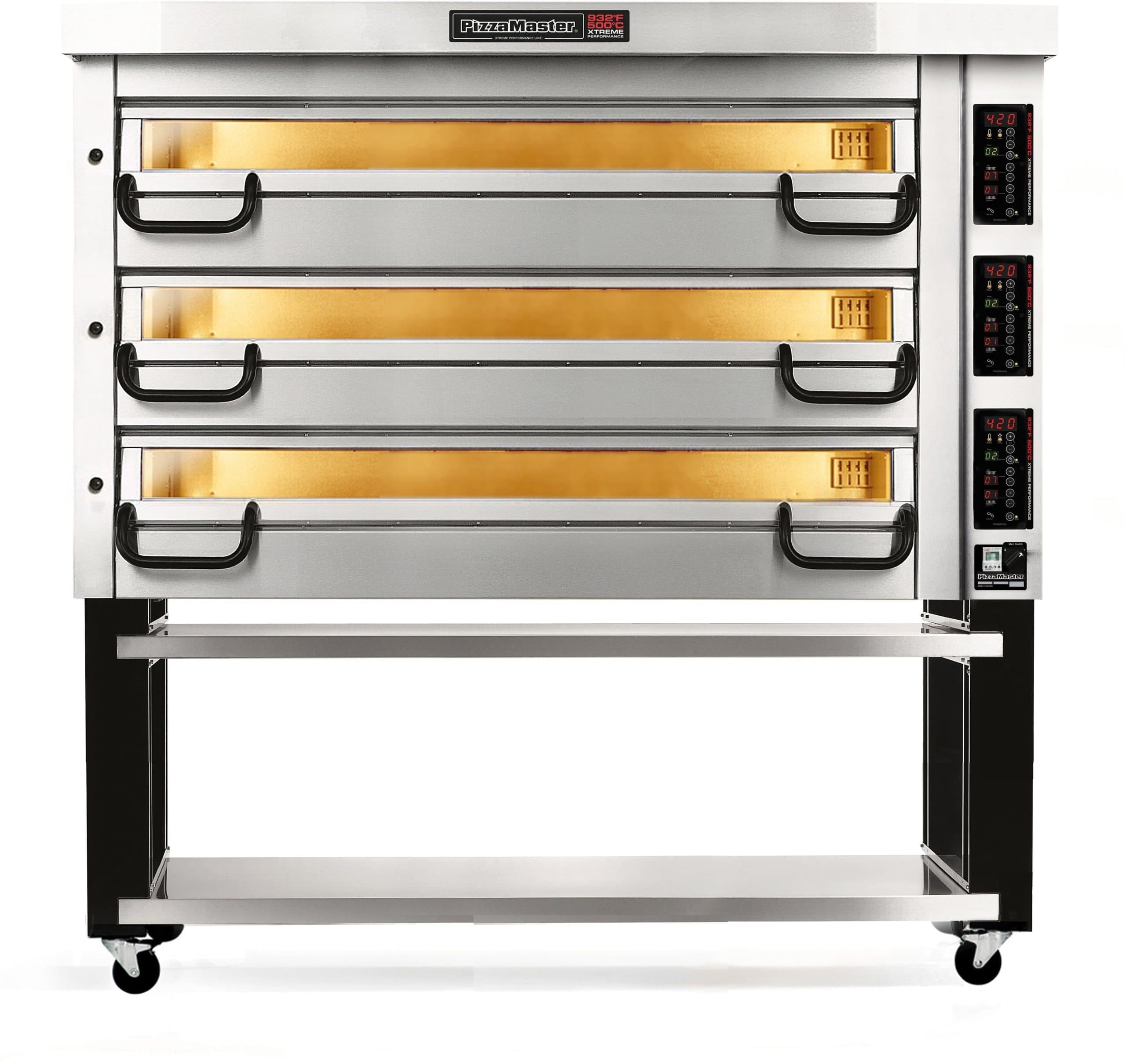
PizzaMaster – 900 Series 3 Stone Hearth, 2 Deck, Modular Electric Pizza Oven – PM 932ED
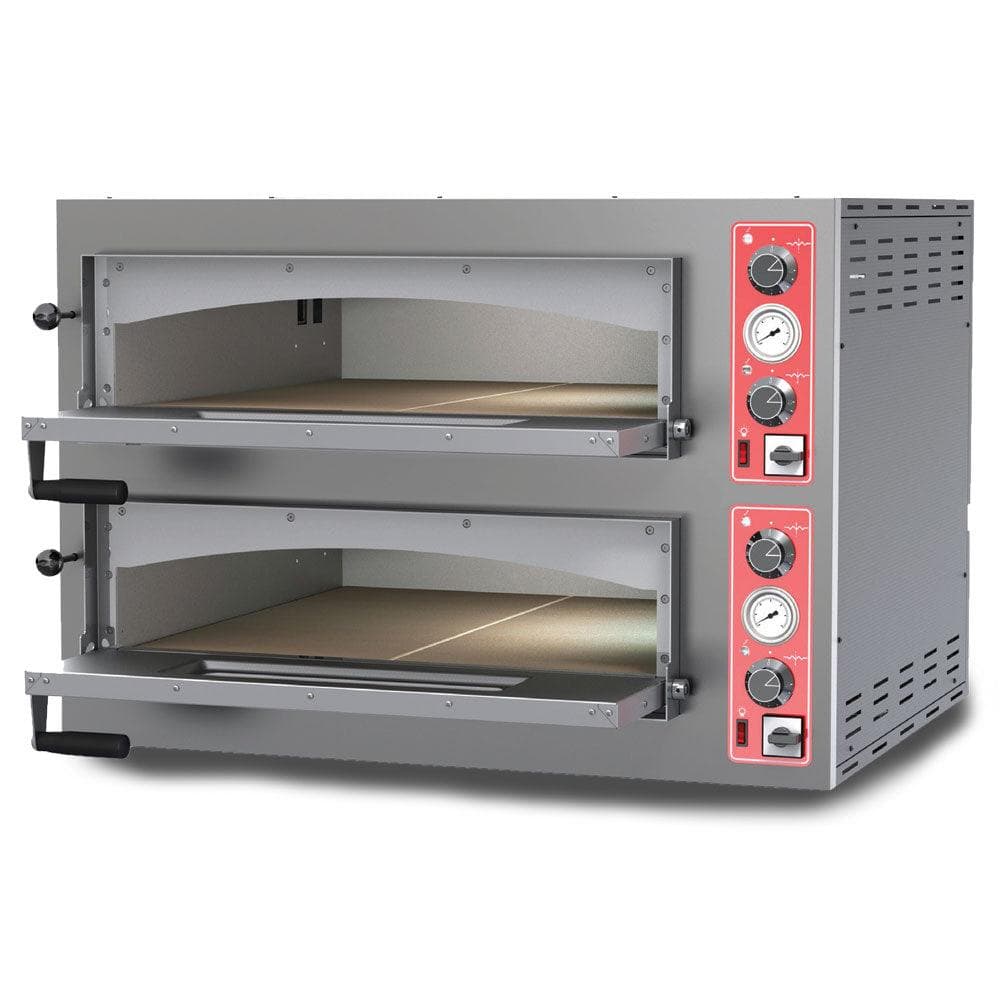
40636
Trento Entry Max Series 39″ Double Chamber Pizza Oven with 27.6″ Chamber – 11.2 kW, 230 V, 3 Ph
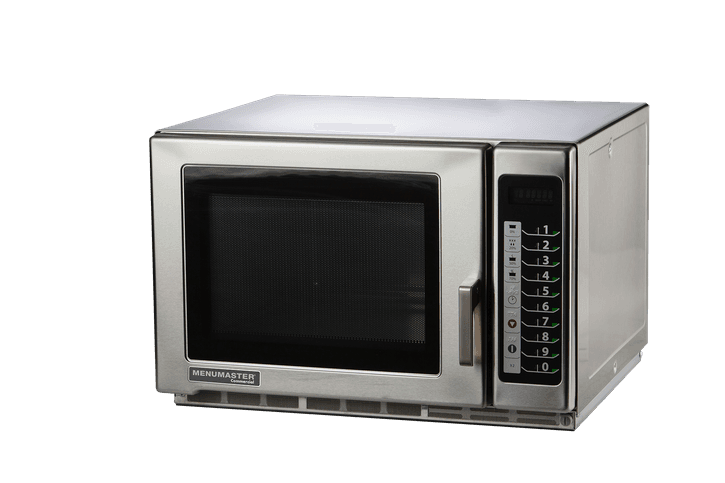
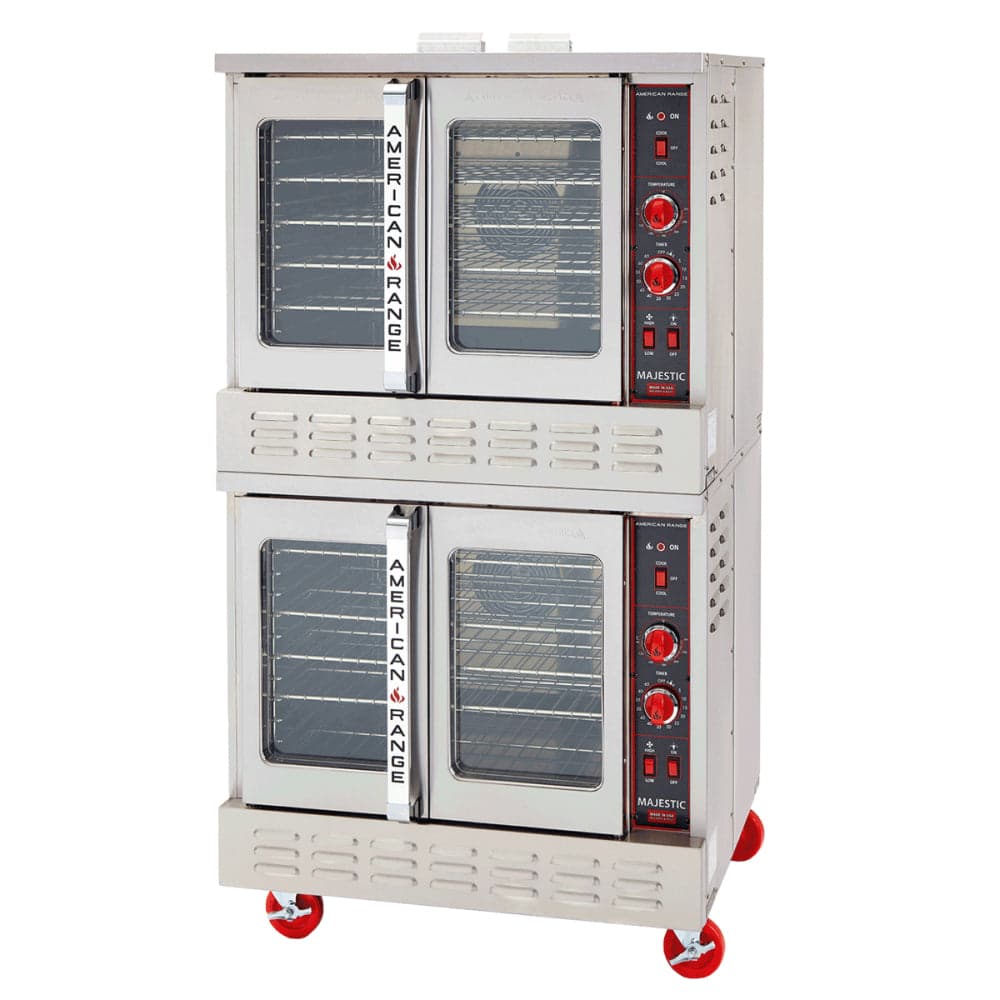
MSD-2 NG
American Range MSD-2 40″ Double Deck Gas Majestic Convection Oven
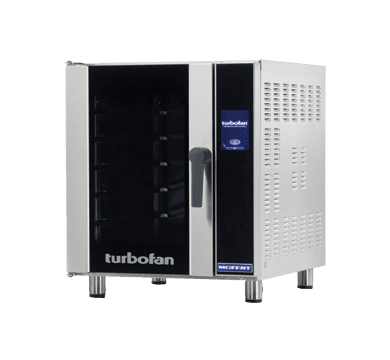
E33T5.220/240V
Turbofan – 24″ Half Size Sheet Pan Touch Screen Electric Convection Oven 220-240V – E33T5
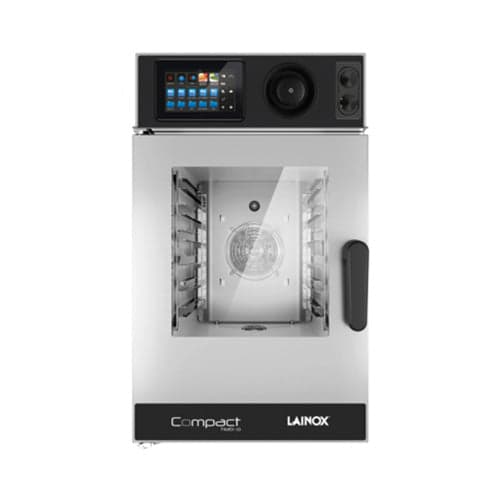
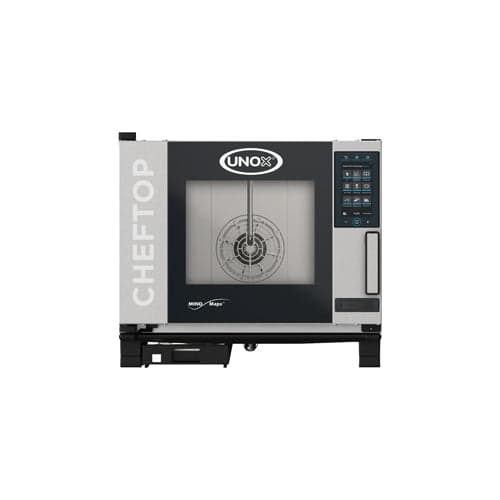
XAVC-0511-EPRM-1PH-240V
Unox XAVC-0511-EPRM Cheftop Mind.Maps 5 Pan Full Size Electric Combi Oven – 1PH, 240V
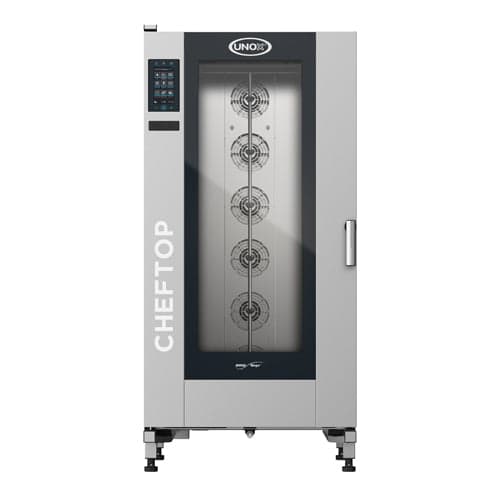
XAVL-2021-GPRS-NG
Unox XAVL-2021-GPRS Cheftop Mind.Maps 20 Pan Full Size Natural Gas Combi Oven
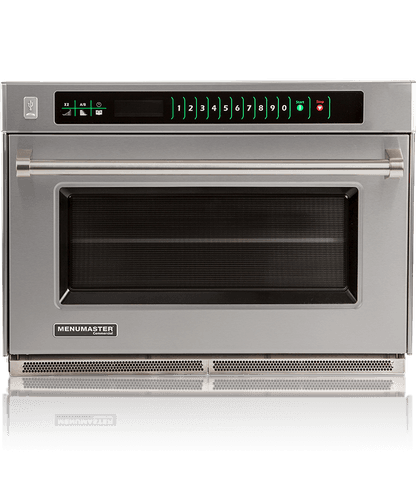
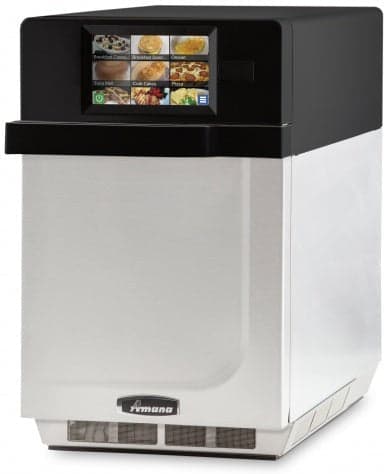
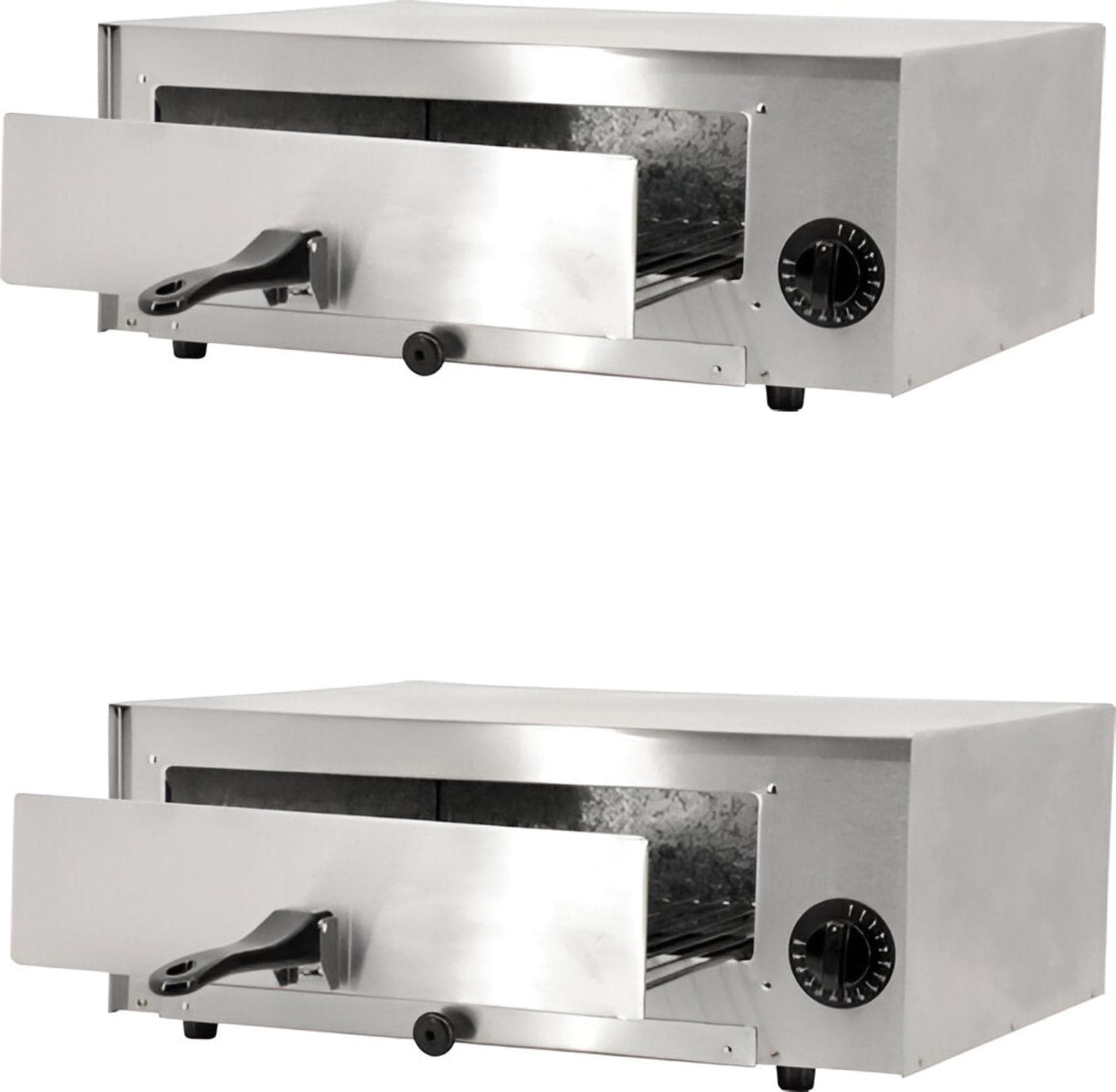
43219
Omcan – 120V, 19″ All Stainless Steel Pizza Oven for 12″ Pizza – CE-CN-1450
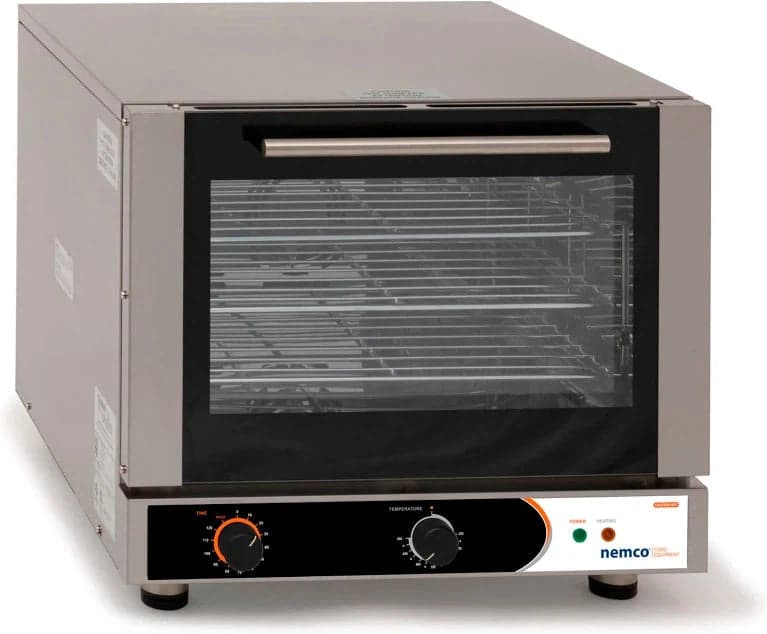
6220-17
Nemco – 120V Half-Size Countertop Convection Oven with 3 Pans – 6220-17 (ETA 4-6 Weeks)
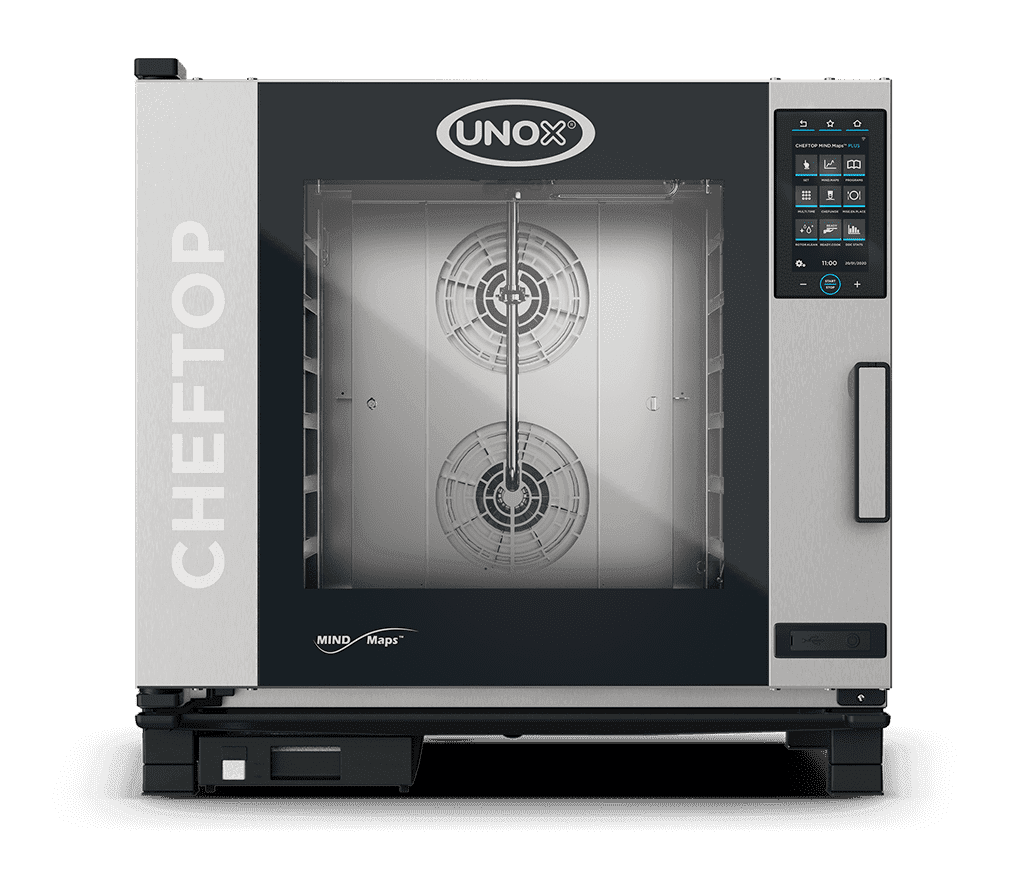
XAVC-0621-EPRM
Unox – CHEFTOP MIND.Maps COUNTERTOP PLUS Electric 6 Trays GN 2/1 Combi Oven with Right-Hinged Door, 3Ph, 240V – XAVC-0621-EPRM
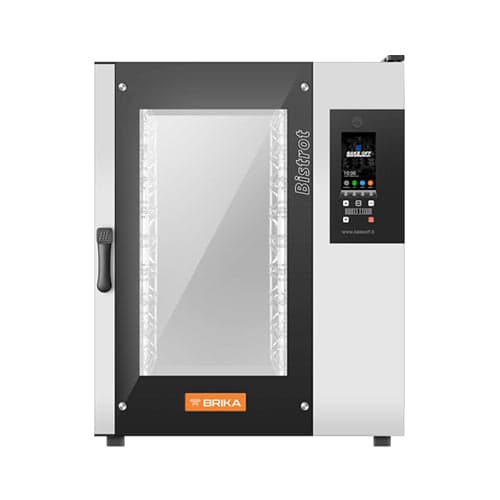
About commercial ovens
Before you buy
- Compare interior dimensions and rack count with the pans you load at peak, rather than judging capacity by the oven's outside size.
- Confirm the water supply, drain and water treatment a combi or steam-injected oven needs, because scale from hard water is a common cause of service calls on steam equipment.
- Check whether the oven can be double-stacked on a stand, which gives two cavities on the floor space of one.
- Look at the door hinge and swing, since a side-hinged door that opens into a walkway or against a wall makes loading awkward.
- Check the power rating and plug on countertop ovens and commercial microwaves, since higher-output units often need a dedicated circuit rather than a shared outlet.
Common questions
What is the difference between a convection oven and a combi oven?
- A convection oven uses a fan to move hot, dry air around the food for even baking and roasting. A combi oven adds steam, so it can cook with dry heat, steam or a mix of both, which helps with roasting, steaming vegetables and reheating. Most combi ovens also need a water supply and a drain, and usually water treatment.
What do full size and half size mean for an oven?
- The terms describe the sheet pans the oven cavity accepts. A full-size oven takes standard full-size sheet pans, which measure roughly 18 by 26 inches, while a half-size oven takes half-size pans. Combi ovens are often described by the number of gastronorm (GN) pans they hold instead, so check the pan sizes on the specification sheet against the pans your kitchen already uses.
How is a commercial microwave different from a home microwave?
- Commercial microwaves are built to be opened and run many times an hour, with sturdier doors and hinges, simple touch-pad or dial controls and cavities designed to be wiped down often. Many models also let staff program cook times, so the same item heats the same way on every shift.
How much do commercial ovens cost?
- List prices on Norpex range from $146.81 to $9,000,000 CAD, with a median of $17,724.64 across 964 priced models; prices are list prices before tax and shipping. Models without a listed price are quoted on request.
What types of commercial ovens do you carry?
- Norpex lists these types of commercial ovens, with the number of models of each: deck (250), combi (152), convection (143), conveyor (133), wood-fired (30) and rotisserie (14).
What power options do commercial ovens come in?
- Norpex lists commercial ovens by power source, with the number of models of each: electric (544), natural gas (107), propane (70) and gas (69). Confirm the gas type, or the voltage and phase, available at the installation site before ordering.
Which brands of commercial ovens do you carry?
- Norpex lists 972 commercial ovens. The brands with the most models listed are PizzaMaster with 174, XLT Ovens with 115, Unox with 92, Omcan with 61 and American Range with 48.
Do you ship commercial ovens across Canada?
- Norpex ships to delivery addresses across Canada. Equipment ships from distributor warehouses, so dispatch timing depends on the supplier and the destination. For items that can be bought online, shipping is calculated at checkout from live carrier rates for the delivery address and confirmed before payment. There is no automatic free-shipping or flat-rate offer.
Outfitting a whole location?
Send the list or the floor plan. Project pricing beats cart pricing, and it comes back within one business day.