
Planetary Mixer
85 products
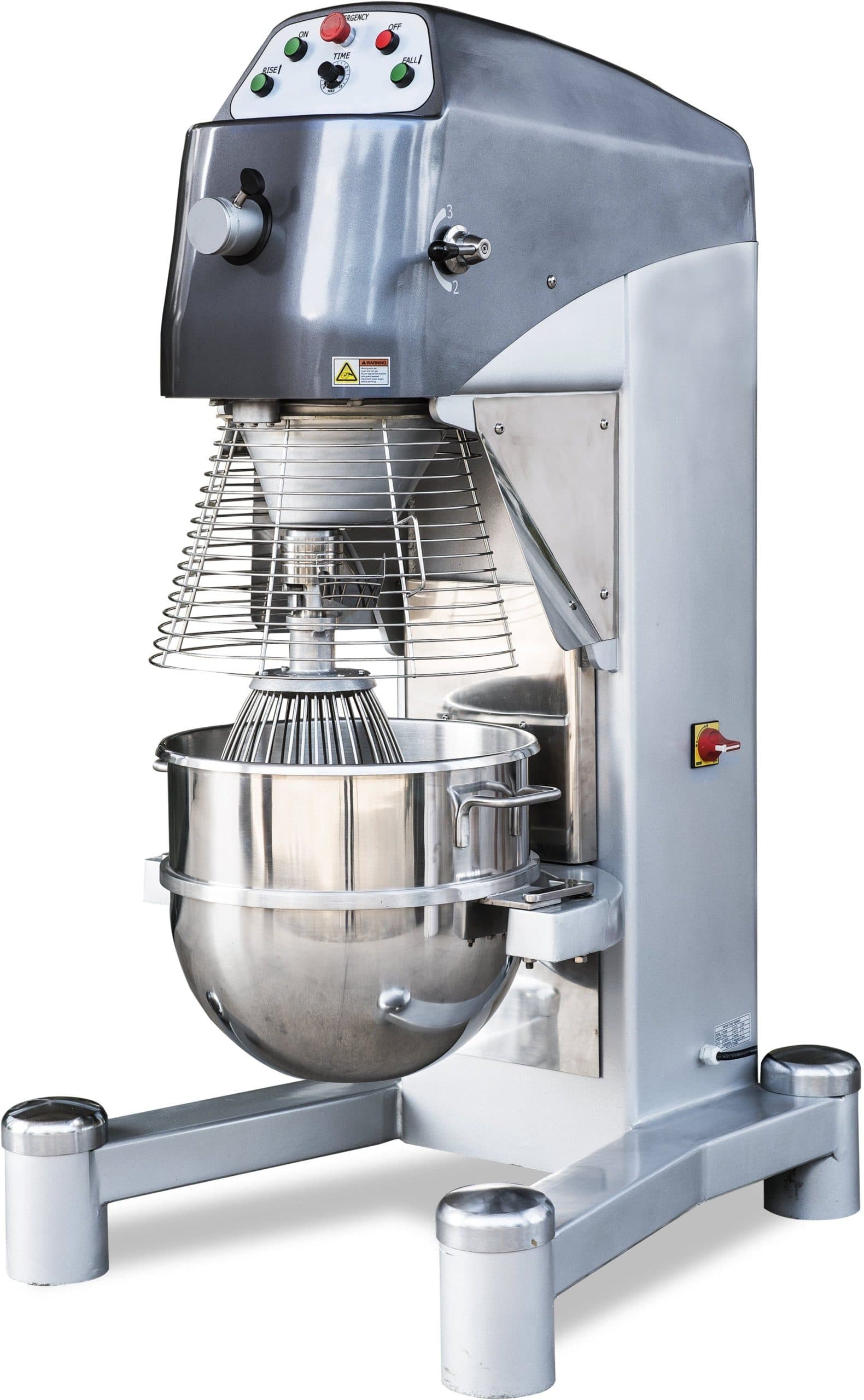
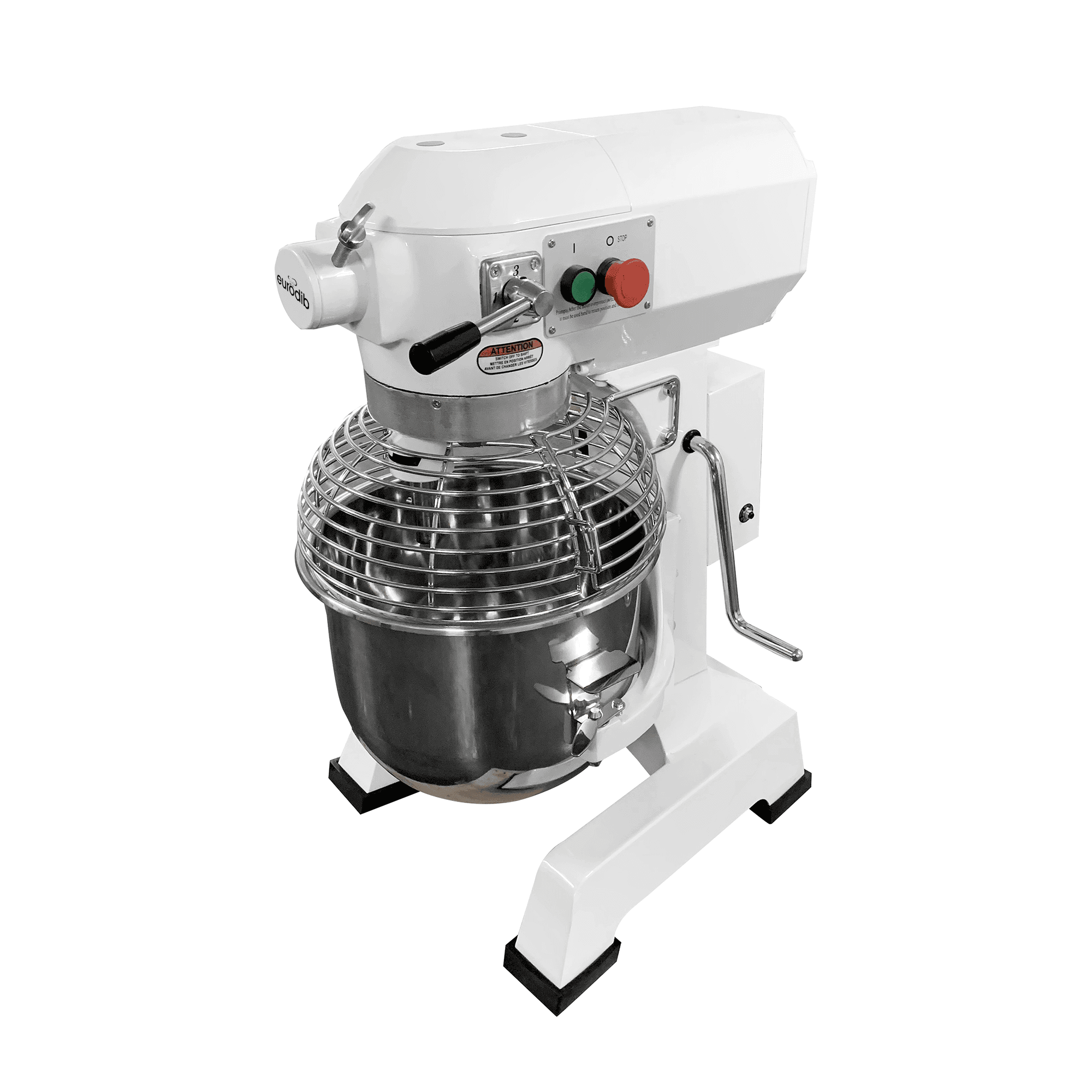
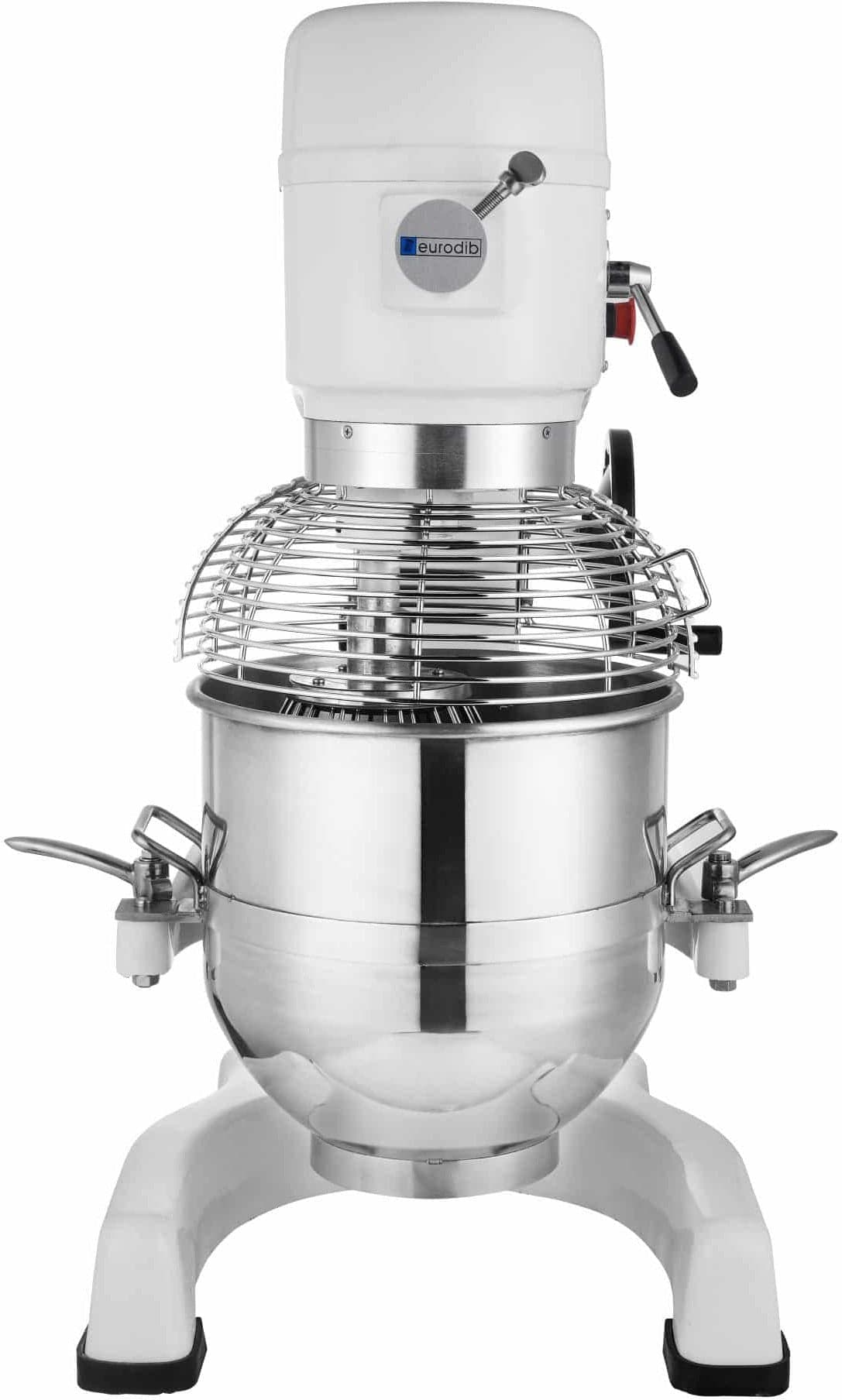
A planetary mixer spins its beater, whip or dough hook on its own axis while the attachment also travels around a stationary bowl, so it reaches every part of the batch. That makes it the general-purpose mixer of a kitchen: batters, icings, whipped cream, mashed potatoes, meat mixtures and lighter doughs. Countertop models suit cafés, restaurants and small bakeries, while floor models serve bakeries, commissaries and institutional kitchens that mix large batches every day.
85 products
BakeMax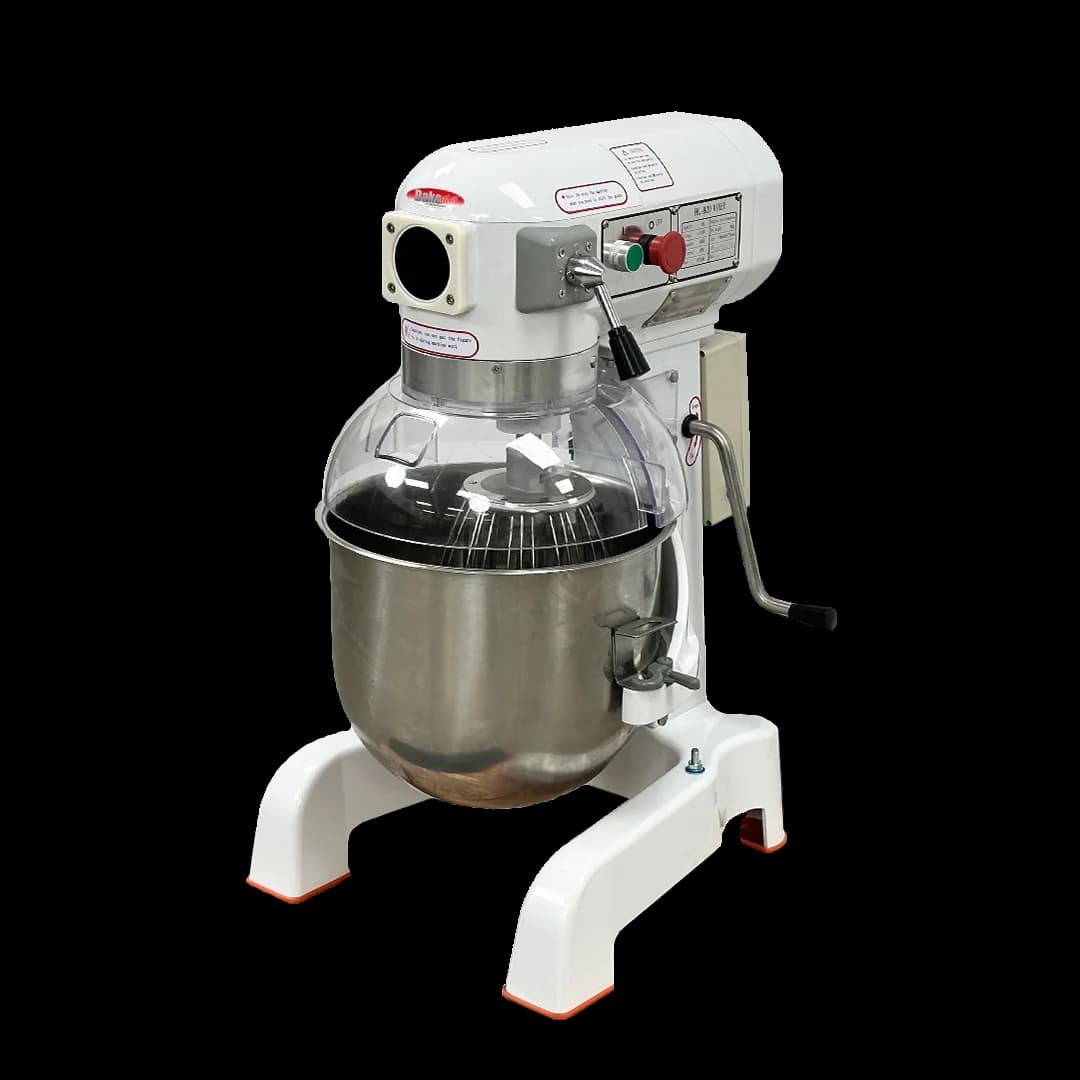
BMPME20
BakeMax BMPME20 Floor Model Economy 20-Quart 3-Speed Gear Driven Planetary Mixer
$1,676.67
In stock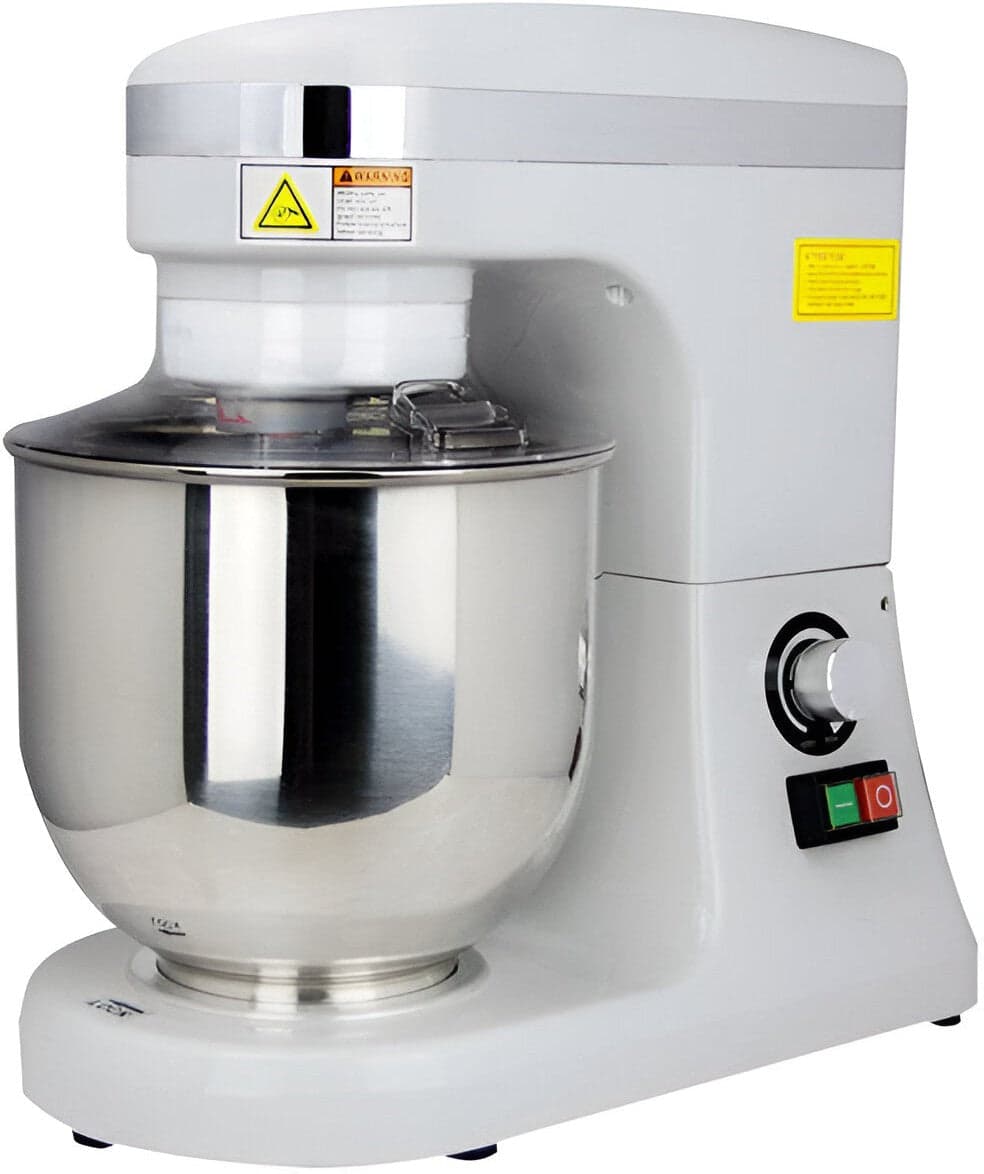
BakeMax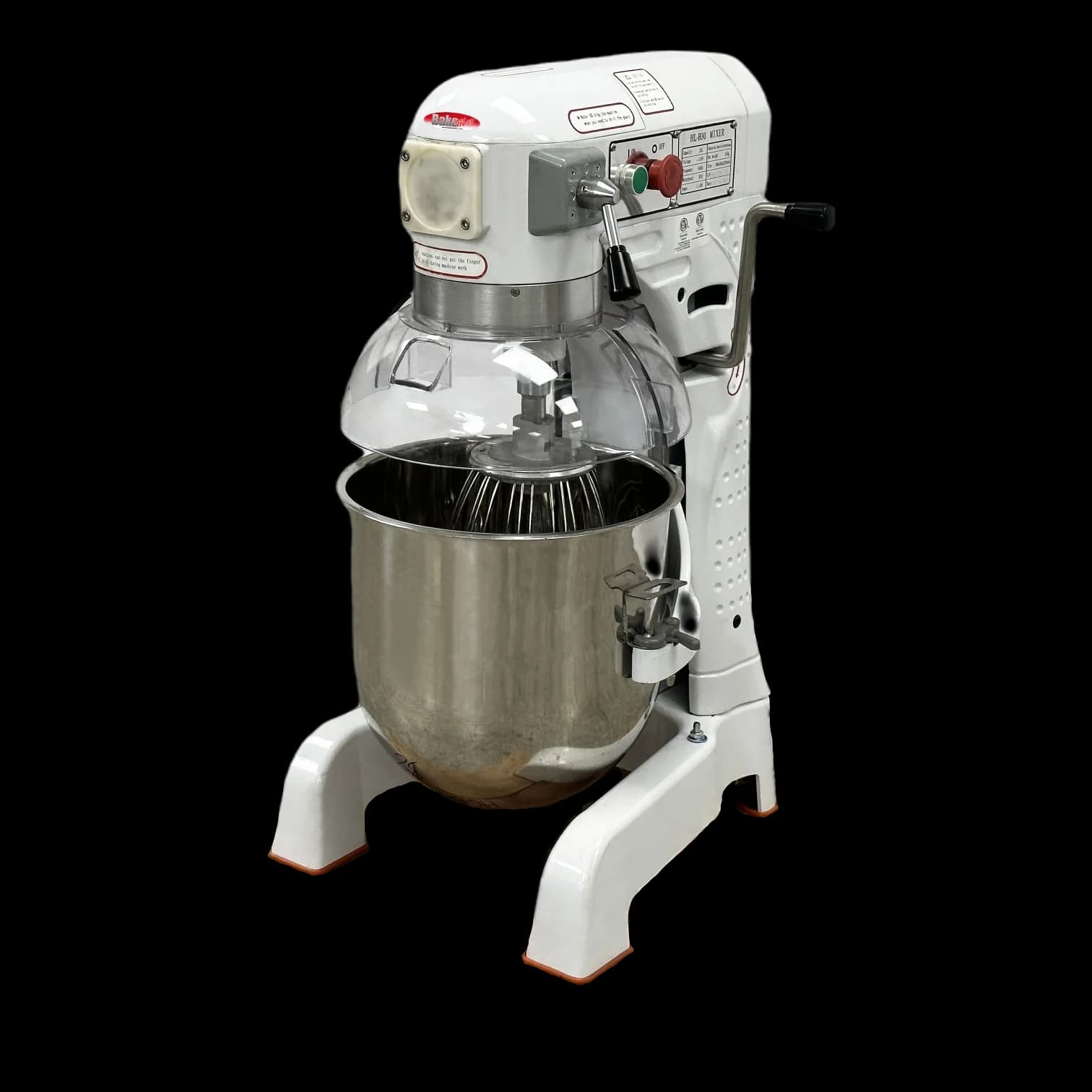
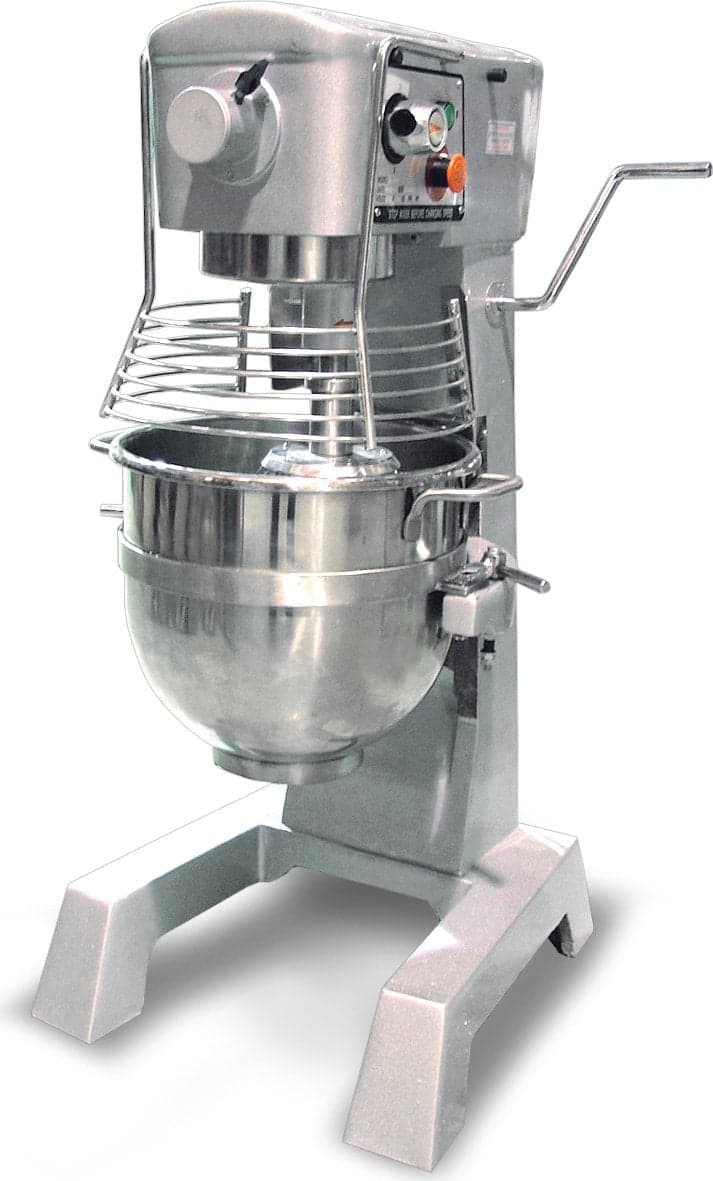
BMPME30
BakeMax BMPME30 Floor Model Economy 30-Quart 3-Speed Gear Driven Planetary Mixer
$2,833.33
In stock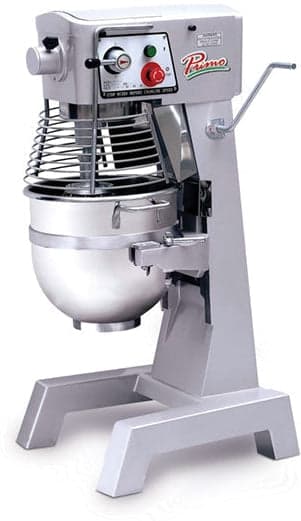
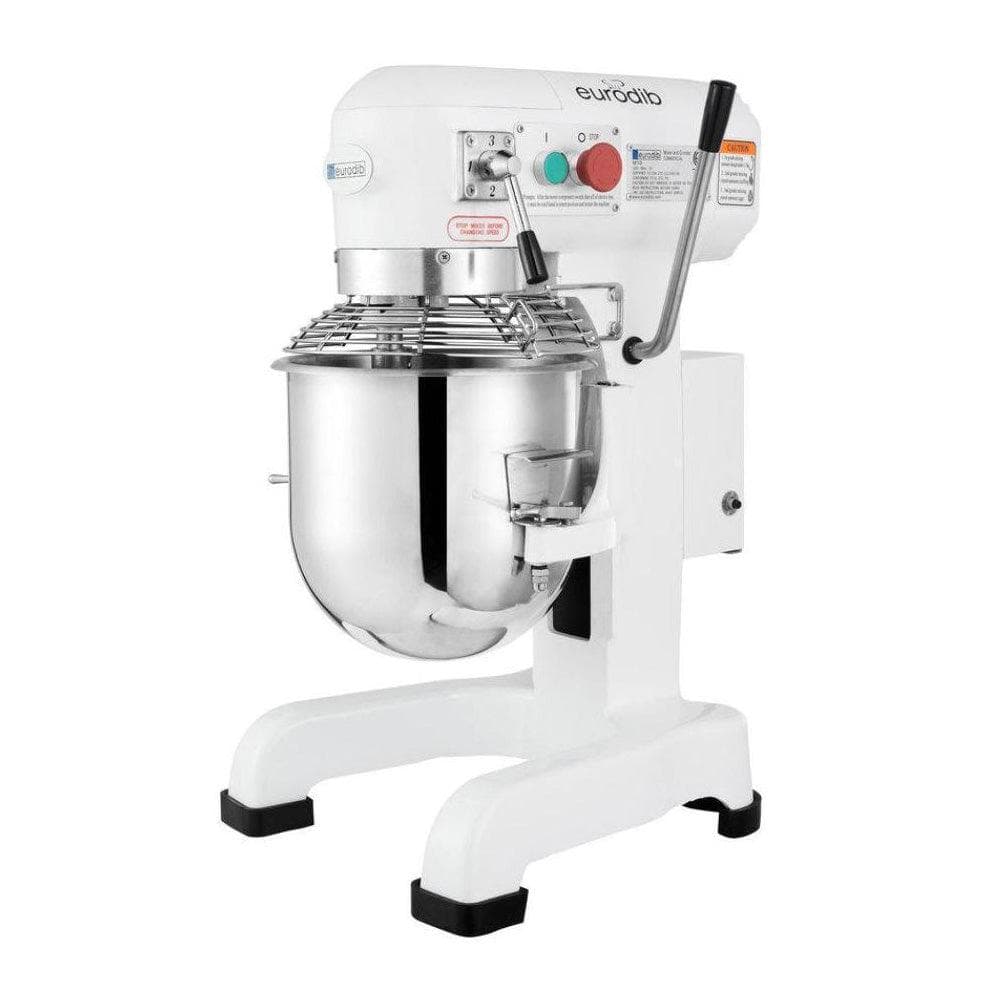
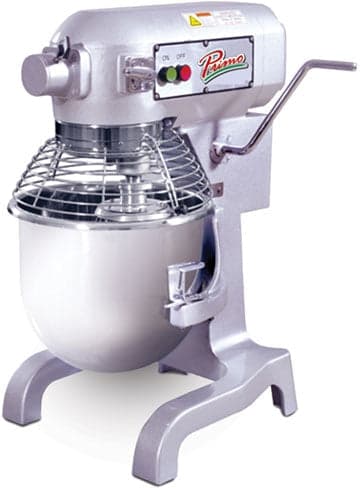
BakeMax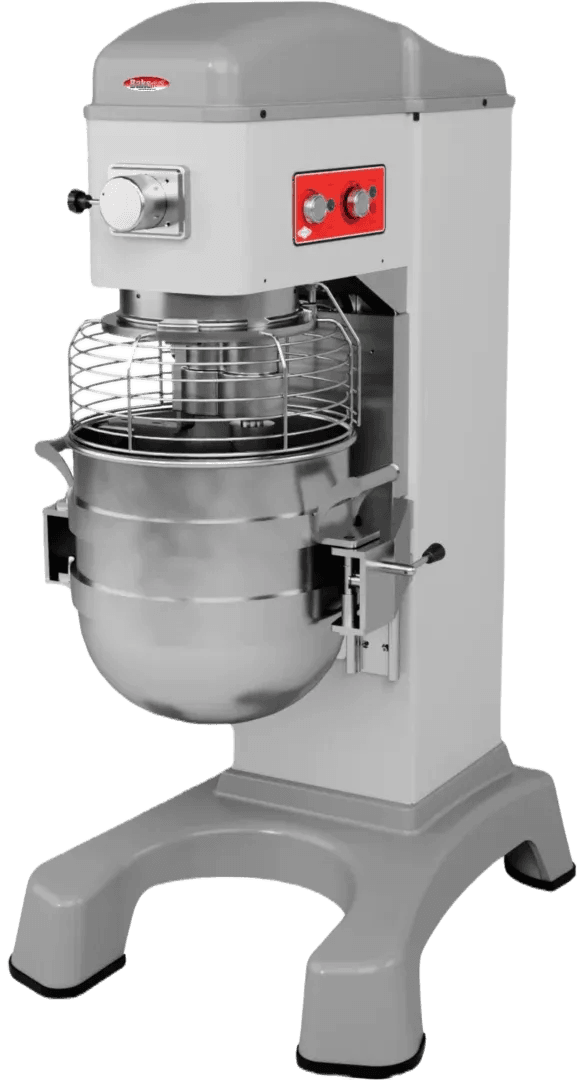
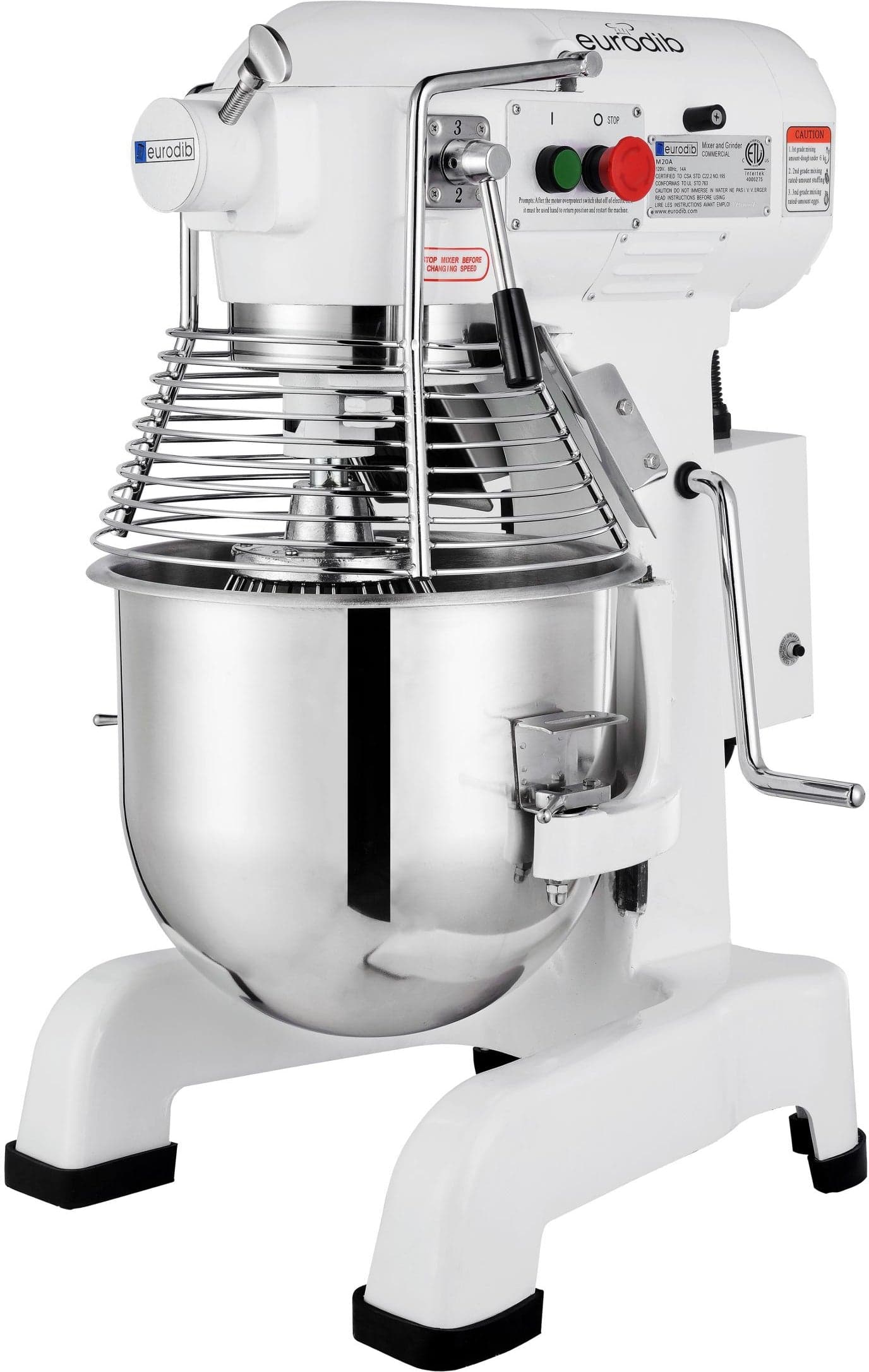
BMMK80
Bakemax – Floor Model 80 Qt Euro-Style Planetary Mixer with Automatic Bowl Lift – BMMK80
$25,040.00
In stock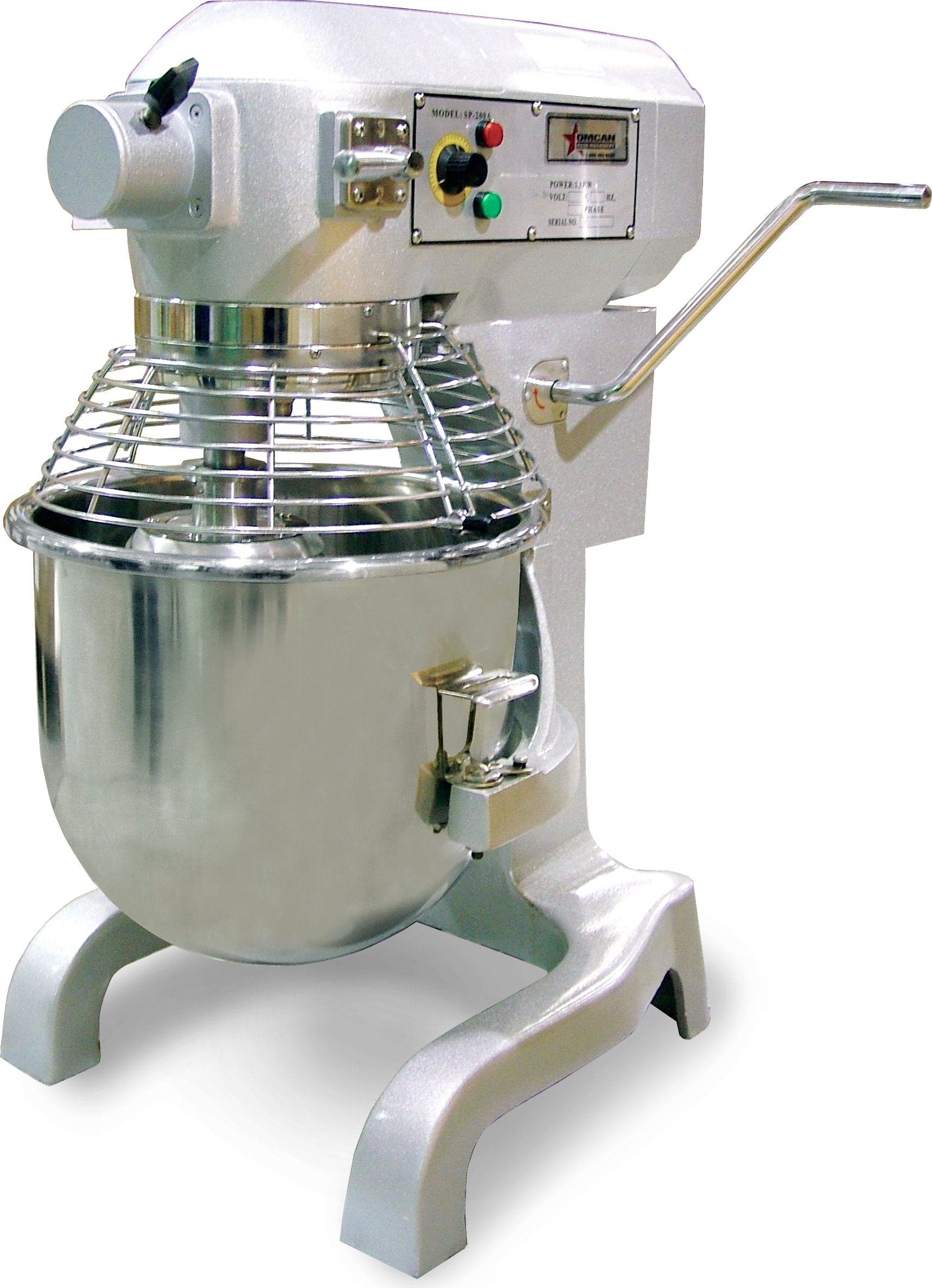
BakeMax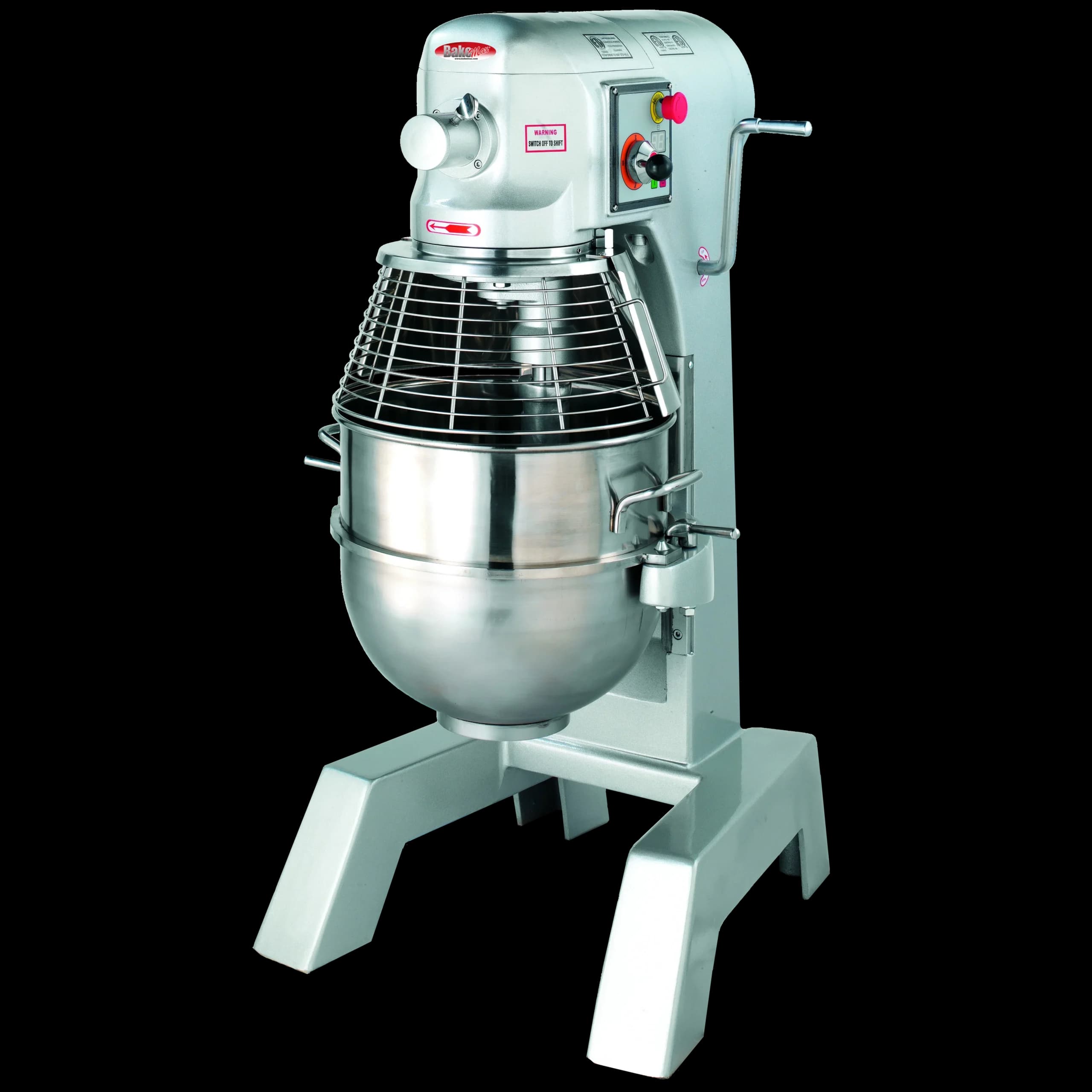
BMPM040
BakeMax BMPM040 Commercial Floor Model Heavy Duty Electric 40-Quart 3-Speed Gear Driven Planetary Mixer
$10,050.00
In stockBakeMax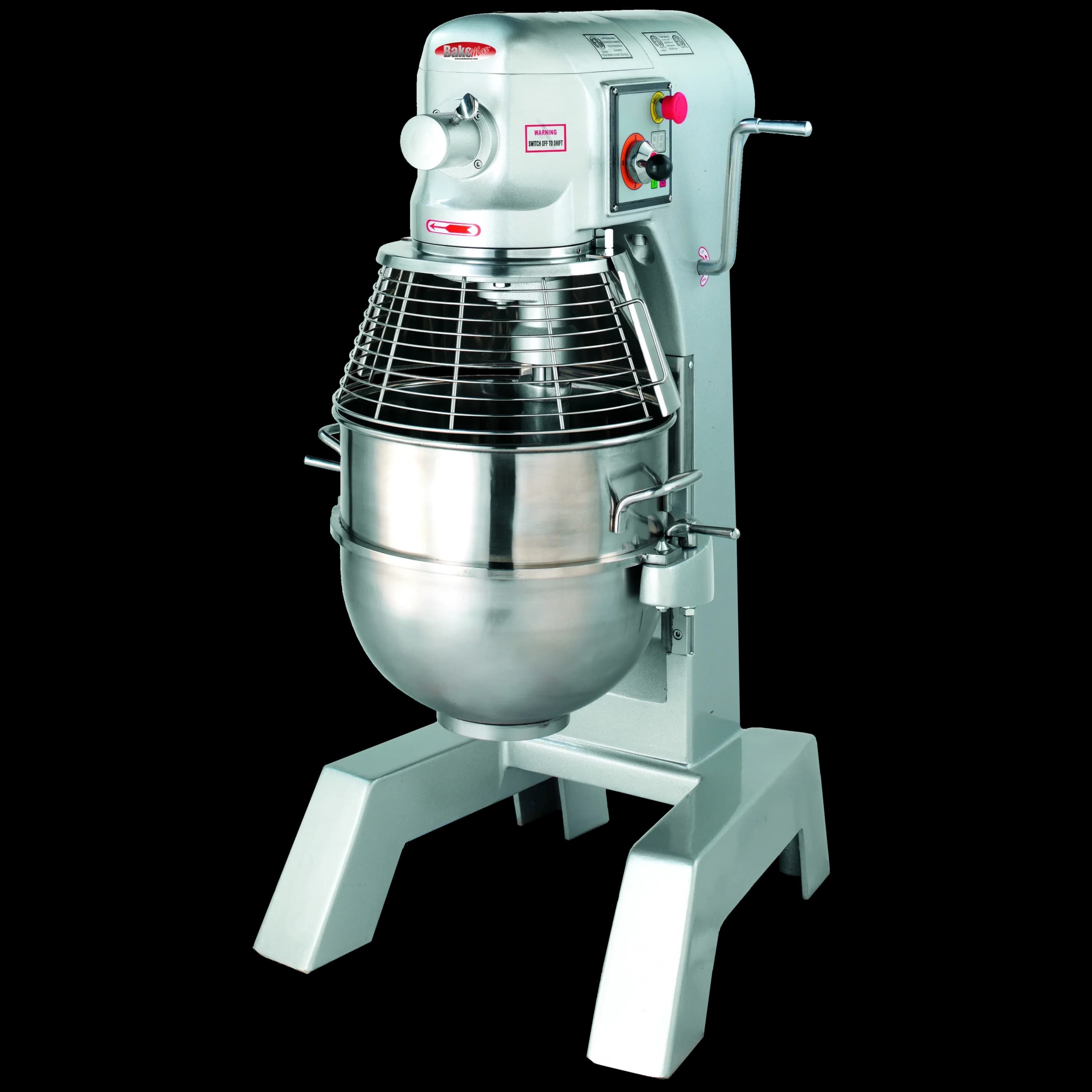
BMPM030
BakeMax BMPM030 Commercial Floor Model Heavy Duty Electric 30-Quart 3-Speed Gear Driven Planetary Mixer
$7,396.67
In stock
BakeMax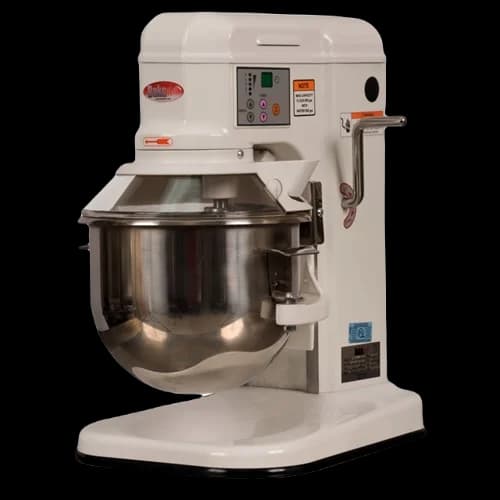
BMPM007
BakeMax BMPM007 Commercial Countertop Heavy Duty 7-Quart 5-Speed Gear Driven Planetary Mixer with Digital Controls
$2,063.33
In stock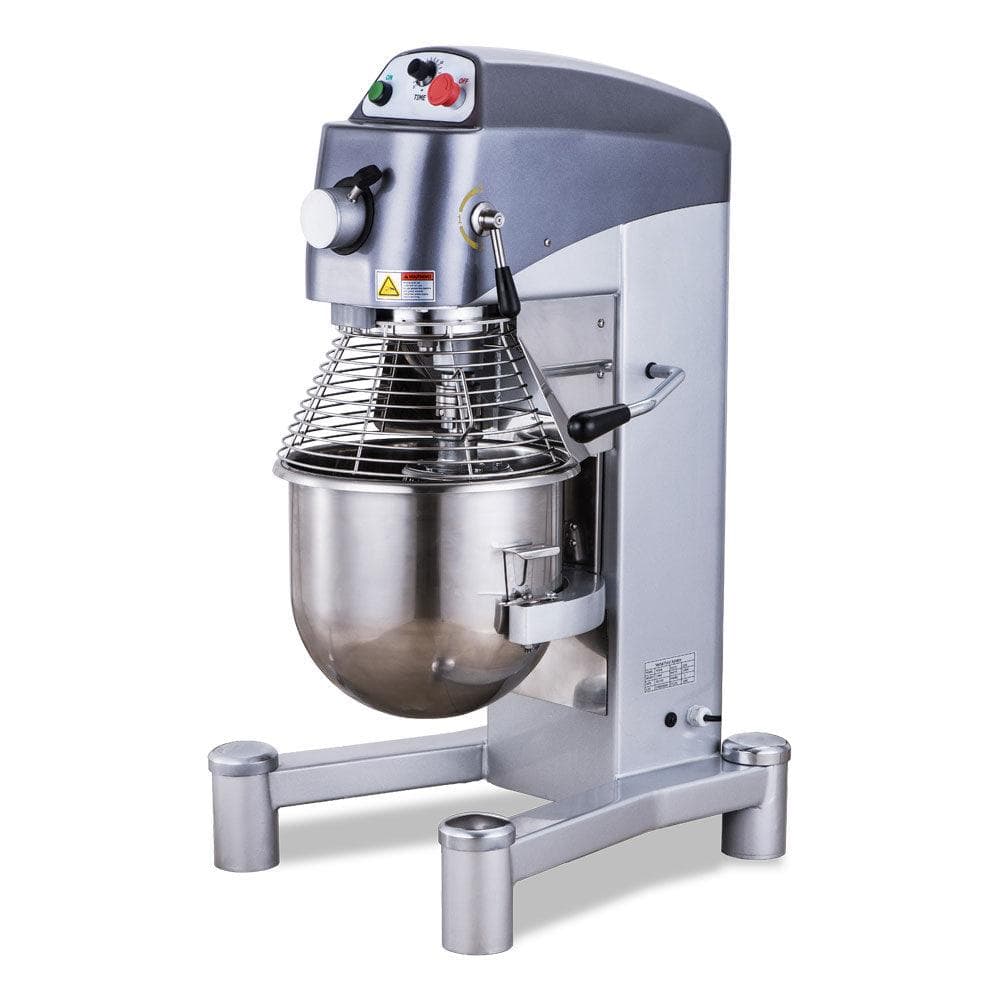
BakeMax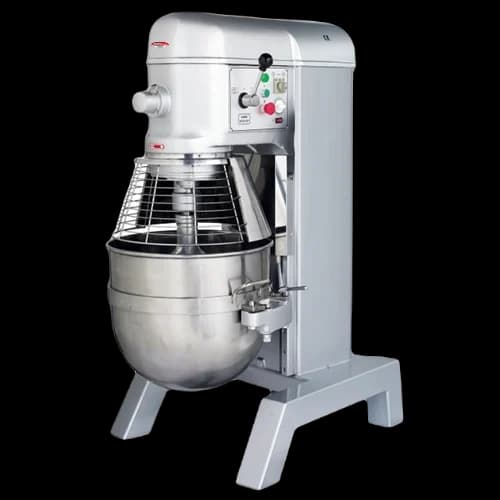
BMPM080
BakeMax BMPM080 Commercial Floor Model Heavy Duty Electric 80-Quart 4-Speed Belt Driven Planetary Mixer
$26,214.67
In stock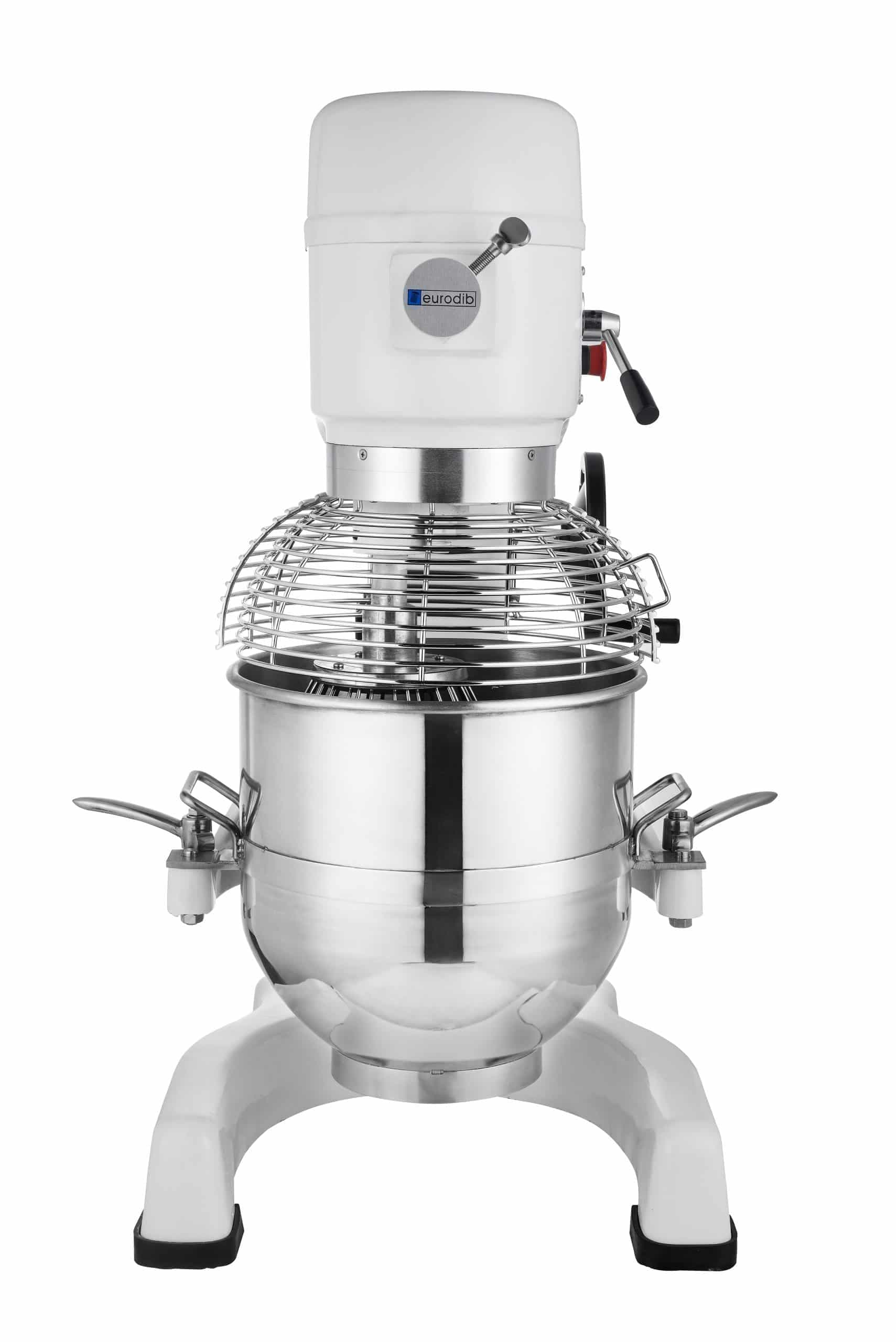
About commercial planetary mixers
Before you buy
- Check the manufacturer's capacity chart for your product and its absorption ratio rather than the bowl's quart rating, since stiff doughs can only use part of the rated bowl volume.
- Compare the speed options and whether the speed can be changed while the mixer is running, because some gear-driven designs must be stopped before shifting.
- Confirm which attachments come standard, usually a flat beater, wire whip and dough hook, and whether the attachment hub, where fitted, accepts a vegetable slicer or meat grinder head.
- Plan for a second bowl on floor models, so staff can scale the next batch while the first one mixes, and consider a bowl dolly for moving heavy loaded bowls.
- Confirm the electrical supply for floor models with your electrician, since the larger sizes are commonly built for 208 to 240 volt or three-phase service.
Common questions
What is the difference between a planetary mixer and a spiral mixer?
- A planetary mixer moves one attachment around a fixed bowl and can swap between a beater, whip and hook, so it handles many products. A spiral mixer turns the bowl while a spiral hook rotates in a fixed position. It only mixes dough, but it kneads bread and pizza dough with less heat build-up and handles wet doughs and large batches well.
Can a planetary mixer knead pizza dough?
- Yes, with the dough hook and within the manufacturer's rated dough capacity, which is lower than the bowl's full volume. Stiff, low-hydration dough is the hardest work a planetary mixer does, so run it at the low speed the manual specifies. Pizzerias mixing large batches every day often choose a spiral mixer for that job.
What size planetary mixer does a small bakery or restaurant need?
- Start from your largest regular batch and check it against the manufacturer's capacity chart for that product. Many cafés and restaurants work with countertop sizes, while bakeries and pizzerias mixing dough daily tend to move to floor models. When a batch sits near the top of one size's rating, the next size up gives the motor more margin.
How much do commercial planetary mixers cost?
- List prices on Norpex range from $500 to $39,348 CAD, with a median of $1,950 across 85 priced models; prices are list prices before tax and shipping.
What types of commercial planetary mixers do you carry?
- Norpex lists these types of commercial planetary mixers, with the number of models of each: floor (11) and countertop (6).
Which brands of commercial planetary mixers do you carry?
- Norpex lists 85 commercial planetary mixers. The brands with the most models listed are Omcan with 33, Eurodib with 30, BakeMax with 14, PRIMO with 4 and Norpex with 3.
Do you ship commercial planetary mixers across Canada?
- Norpex ships to delivery addresses across Canada. Equipment ships from distributor warehouses, so dispatch timing depends on the supplier and the destination. For items that can be bought online, shipping is calculated at checkout from live carrier rates for the delivery address and confirmed before payment. There is no automatic free-shipping or flat-rate offer.
Guides
Outfitting a whole location?
Send the list or the floor plan. Project pricing beats cart pricing, and it comes back within one business day.