
Open a pizza shop by deciding your style and your busiest-hour volume first, then buy the oven, the dough line and the refrigerated make table in that order. The oven sets your gas or power, your ventilation and your floor plan, so settle it before anything else is ordered.
Key takeaways
- Pizza style and peak-hour volume decide the oven: deck, conveyor or wood-fired.
- The oven drives the gas or electrical service, the hood and the floor plan, so choose it first and confirm the building can serve it.
- Size the mixer from the maker's capacity chart for your dough, not from the bowl size.
- A refrigerated pizza prep table keeps toppings at 4 degrees C or below where the pizzas are built.
- Send the whole list through the project quote form for one quote with freight included.
What commercial pizza ovens cost at Norpex
- Most models
- $23,800 – $51,100
- Median price
- $34,400
- Priced models
- 342
Median by type
- deck $36,600 (162 models)
- conveyor $33,700 (122 models)
- stone hearth $73,900 (13 models)
List prices in CAD before tax and delivery, read from the catalogue as it stands. Models without a listed price are quoted on request.
Why a pizza shop works
Pizza sells at every hour a kitchen is open: lunch slices, family dinners, late-night orders and party trays. It travels well, so one kitchen can serve a dining room, a takeout counter and delivery apps at the same time, and a short menu keeps the equipment list short too.
The core of the business is a small set of machines doing the same job the same way all day: mix, portion, open, top, bake, box. That repeatability is why equipment decisions matter more here than in a wide-menu restaurant. A shop that bakes a consistent pie in a busy hour keeps customers; one whose oven cannot keep up loses them in the first rush.
Competition is heavy in most towns, so the shop has to be built around one clear idea: Neapolitan pies from a very hot oven, New York-style slices from decks, or fast takeout and delivery from conveyors. Pick the idea first. Every purchase after it follows.
The equipment list: the oven
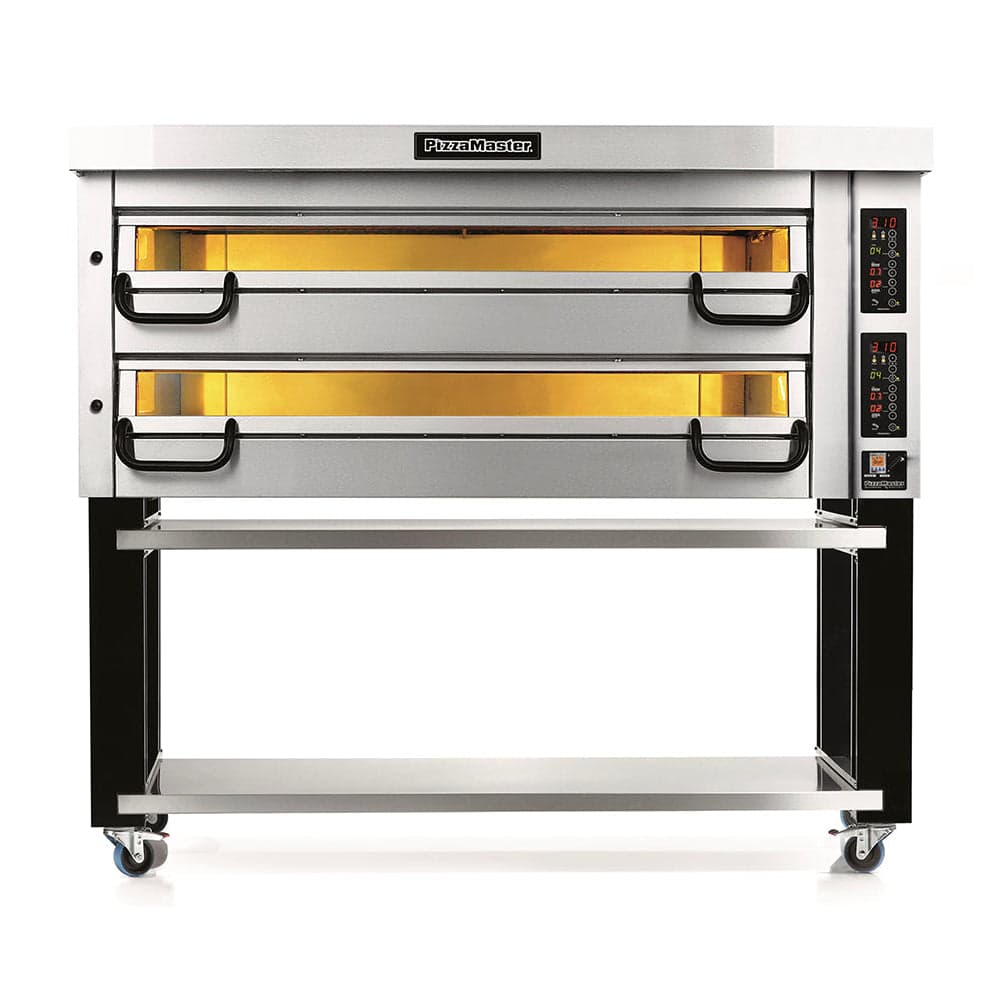
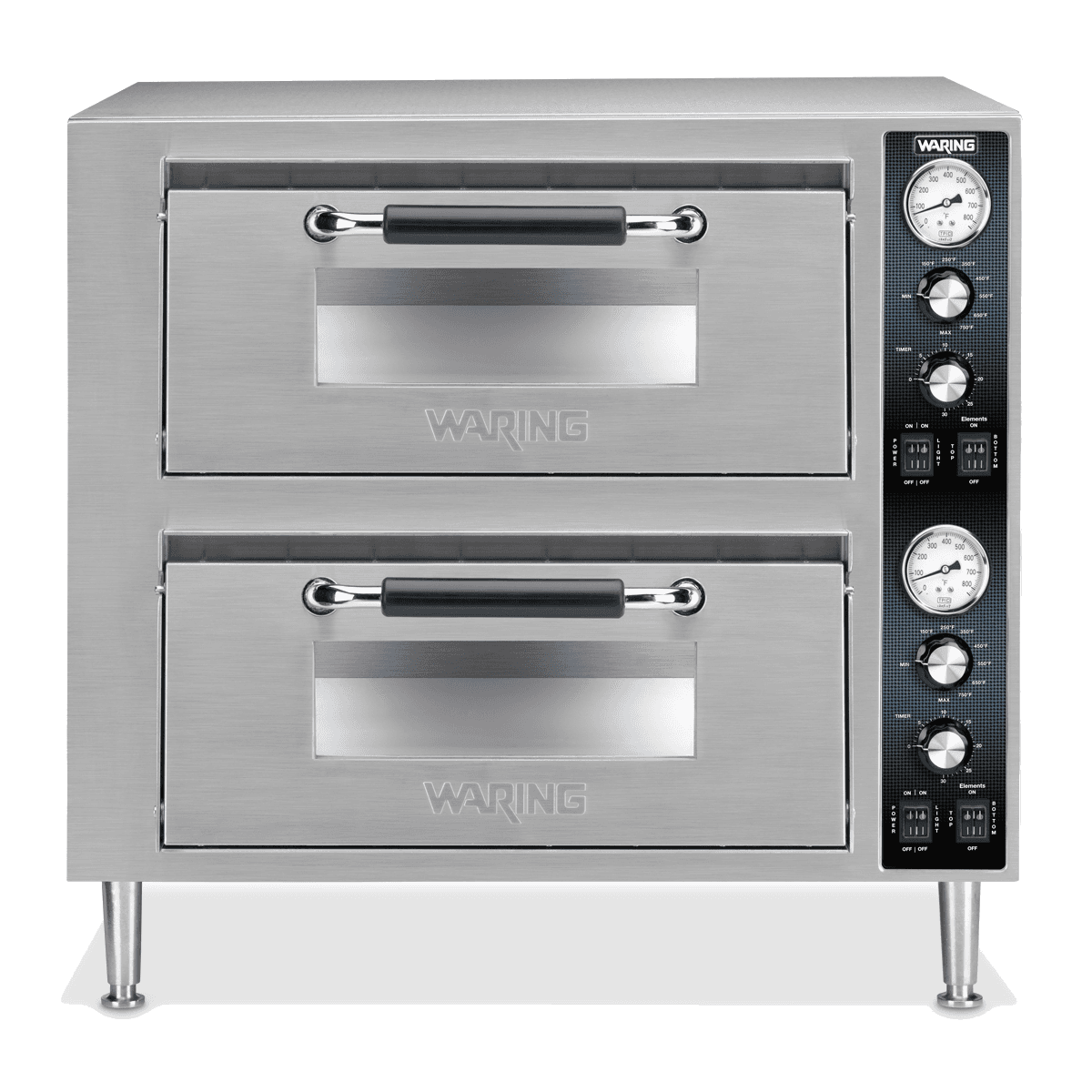
Deck ovens bake on a stone or steel deck and suit many styles, from thin crust to pan pizza. They reward a skilled person at the oven, who manages placement and timing, and decks can be stacked to add capacity in the same footprint. Gas and electric versions exist, and small countertop double-deck electric models run on a 240 V single-phase circuit.
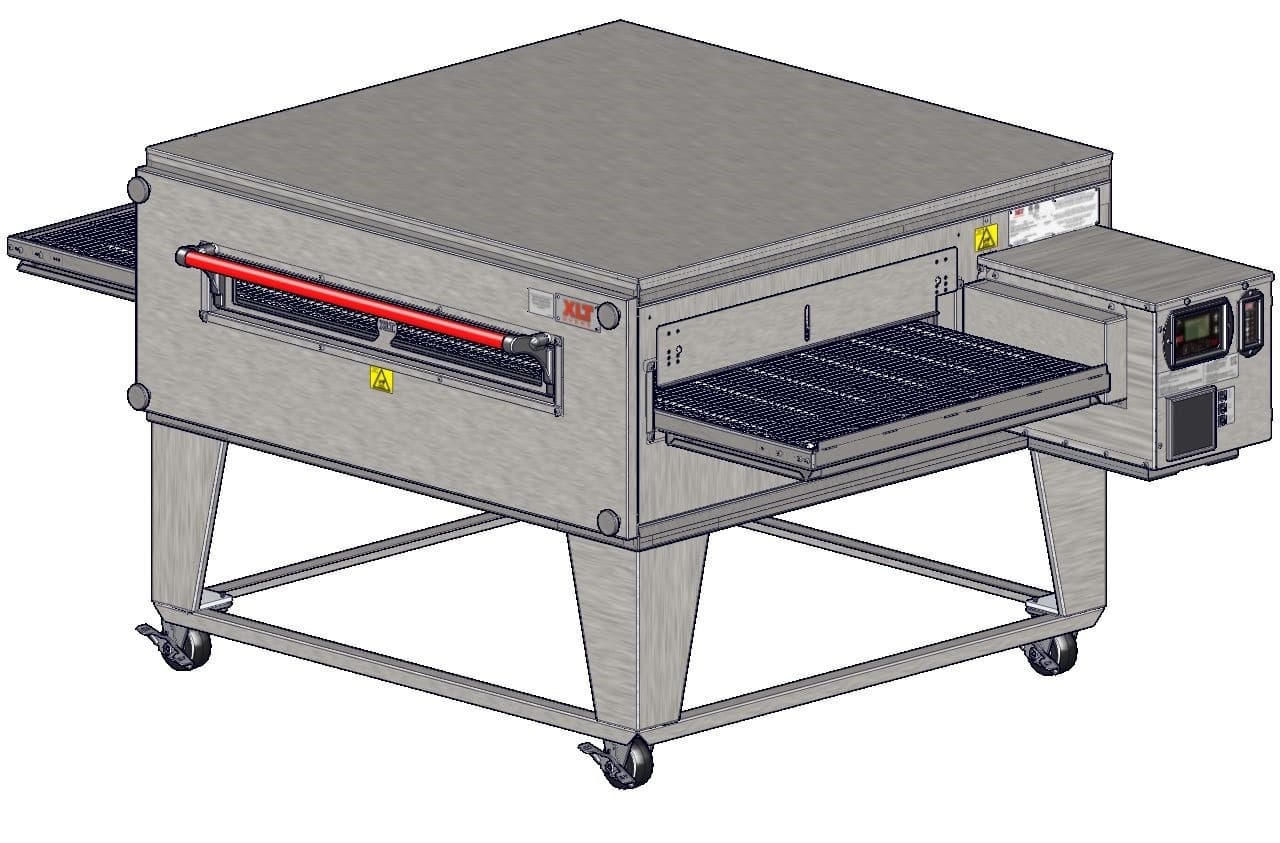
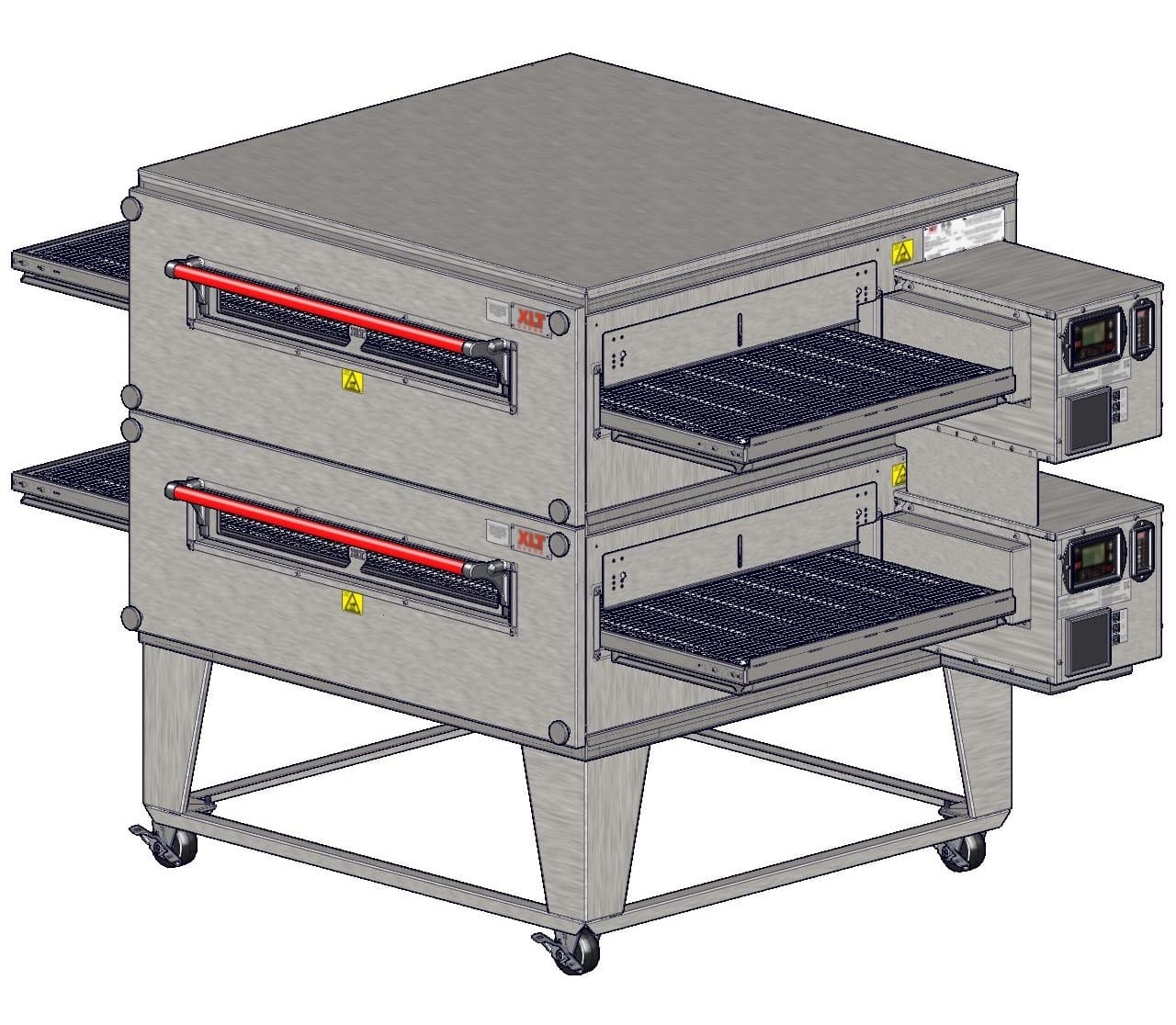
Conveyor ovens move pizzas through a heated chamber on a belt at a set speed and temperature, so every pizza bakes the same way with little oven skill. They suit high-volume and delivery menus and can be stacked. Larger electric conveyor ovens in the catalogue list 208/240 V three-phase service, so ask your electrician what the building has before you fall for one.
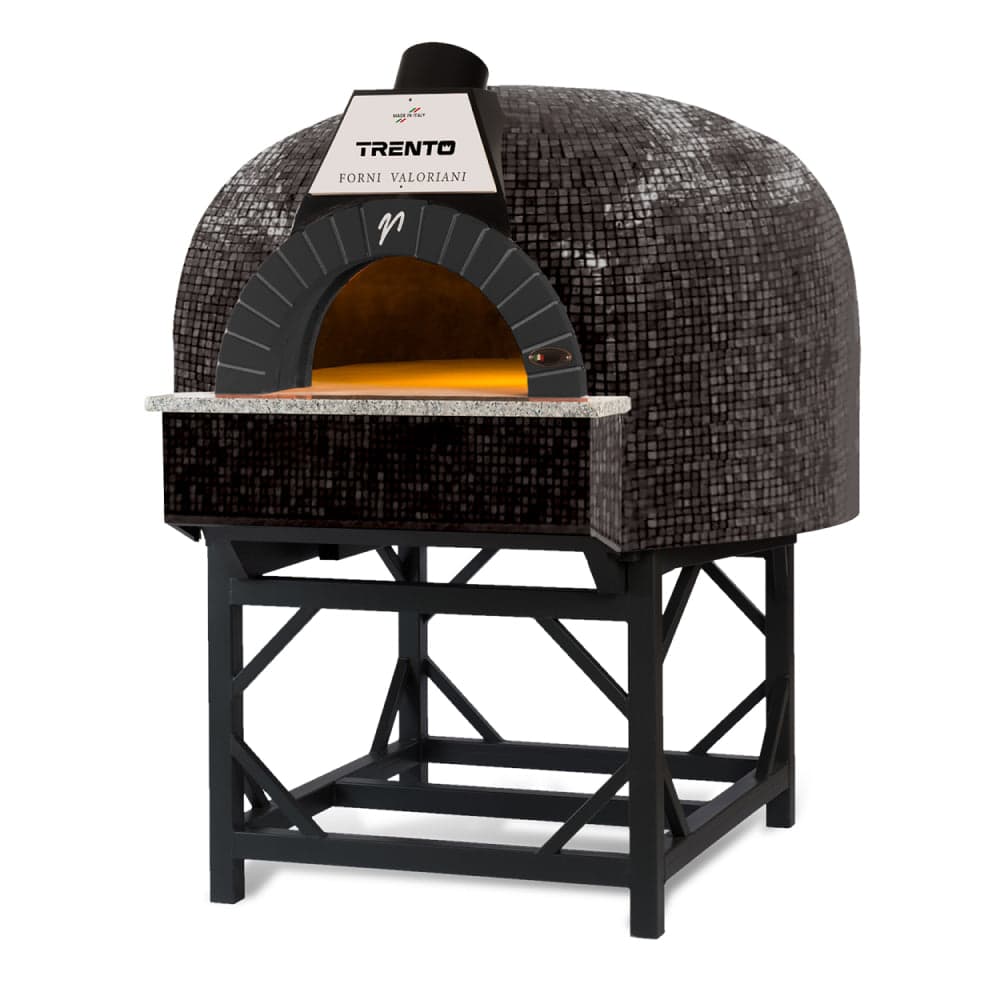
Wood-fired and gas-and-wood dome ovens give a distinctive bake and char. They take the most planning for venting and clearances, and some building and fire codes treat solid-fuel cooking differently from gas or electric. Plan on conversations with the fire authority early if you go this way.
Whatever the type, the manual lists the gas or electrical supply, the clearances and the ventilation the oven needs. Compare ovens on bake area, output per hour at your pizza size and utility draw, not on price alone.
Products named in this section
- Waring Commercial WPO750 27″ Double Deck Countertop Electric Pizza Oven With Dial Display – 240V, 3200W$4,900.99
Waring Commercial · WPO750
Further reading
The equipment list: dough line and make table
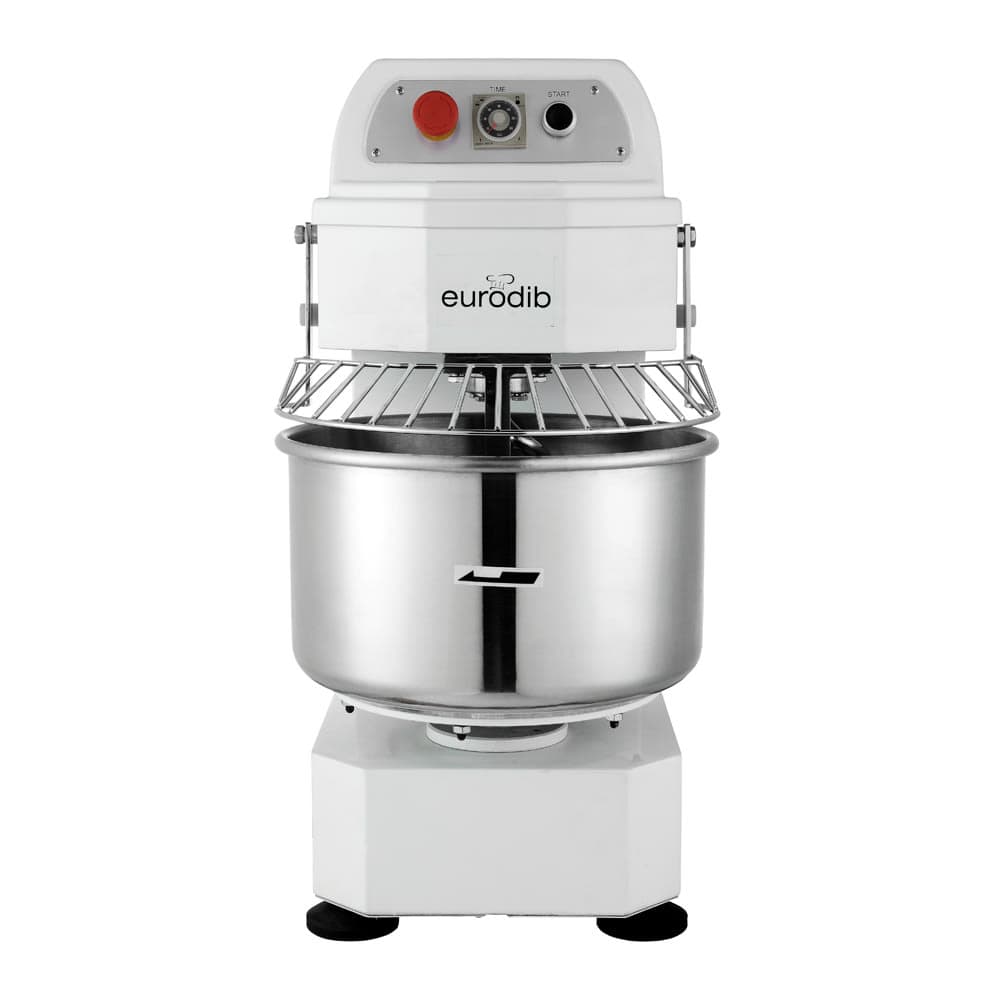
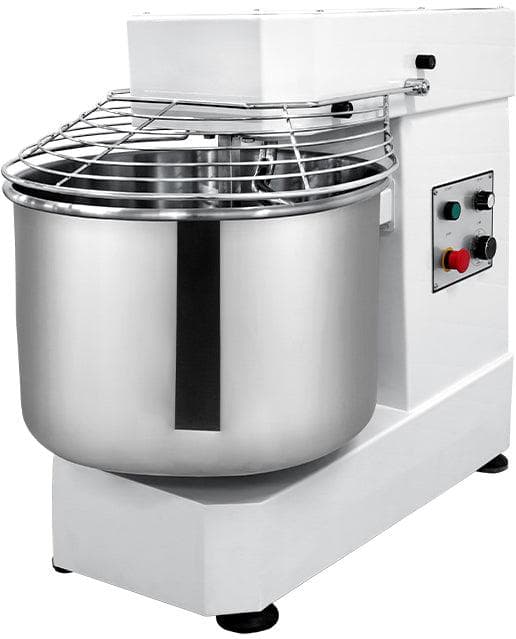
A spiral mixer is the usual choice for pizza dough. The bowl turns while the spiral hook kneads, which develops gluten in stiff, lower-hydration doughs efficiently. Smaller spiral mixers run on 110 V single-phase; larger ones in the catalogue need a 208/230 V circuit.
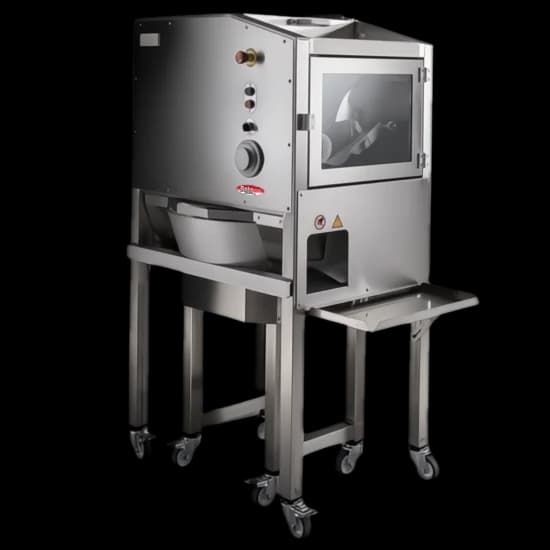
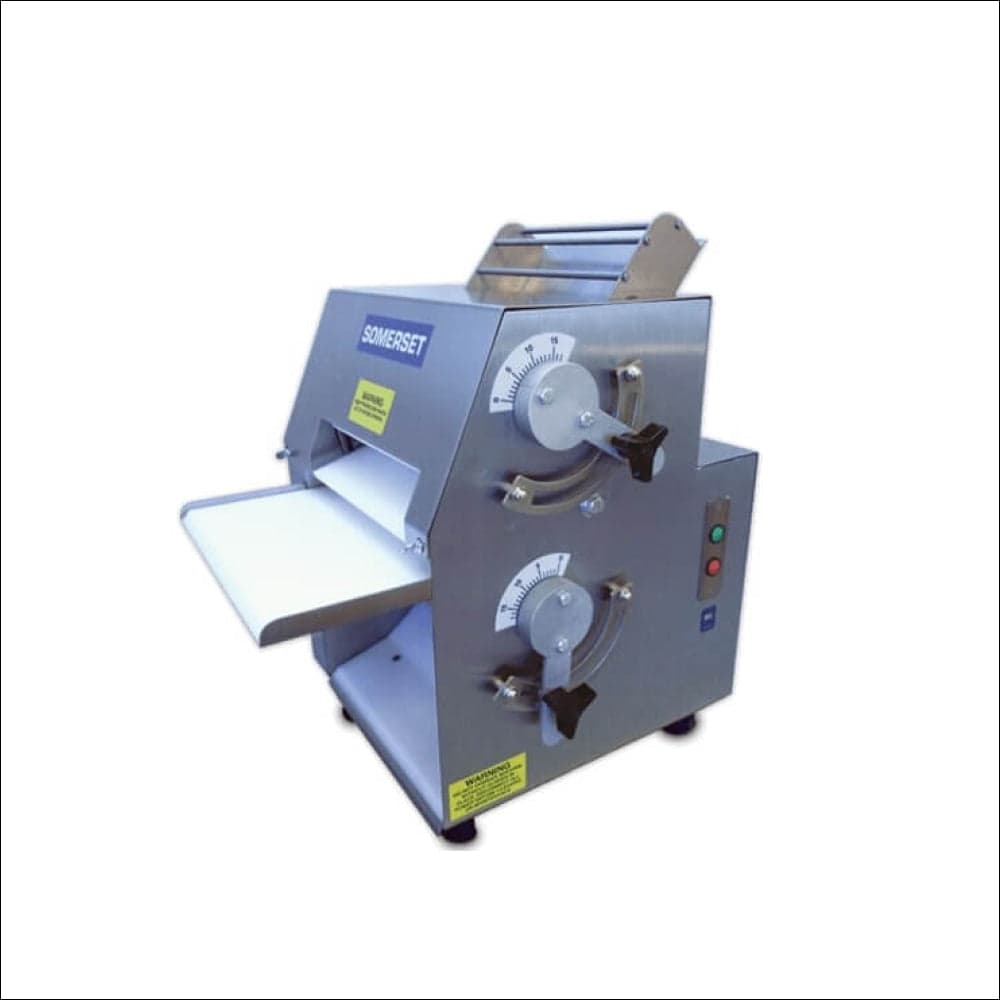
Mixer capacity is given in a maker's chart as a weight of dough or flour at a stated hydration. Size from that chart for your recipe and your biggest batch, because a stiff dough can overload a mixer well before the bowl looks full. As volume grows, a divider-rounder portions dough into equal weights and a sheeter or press opens the dough, which saves labour and makes every pizza start the same. Many shops cold-ferment dough in boxes, so plan refrigerator shelf space for those boxes.
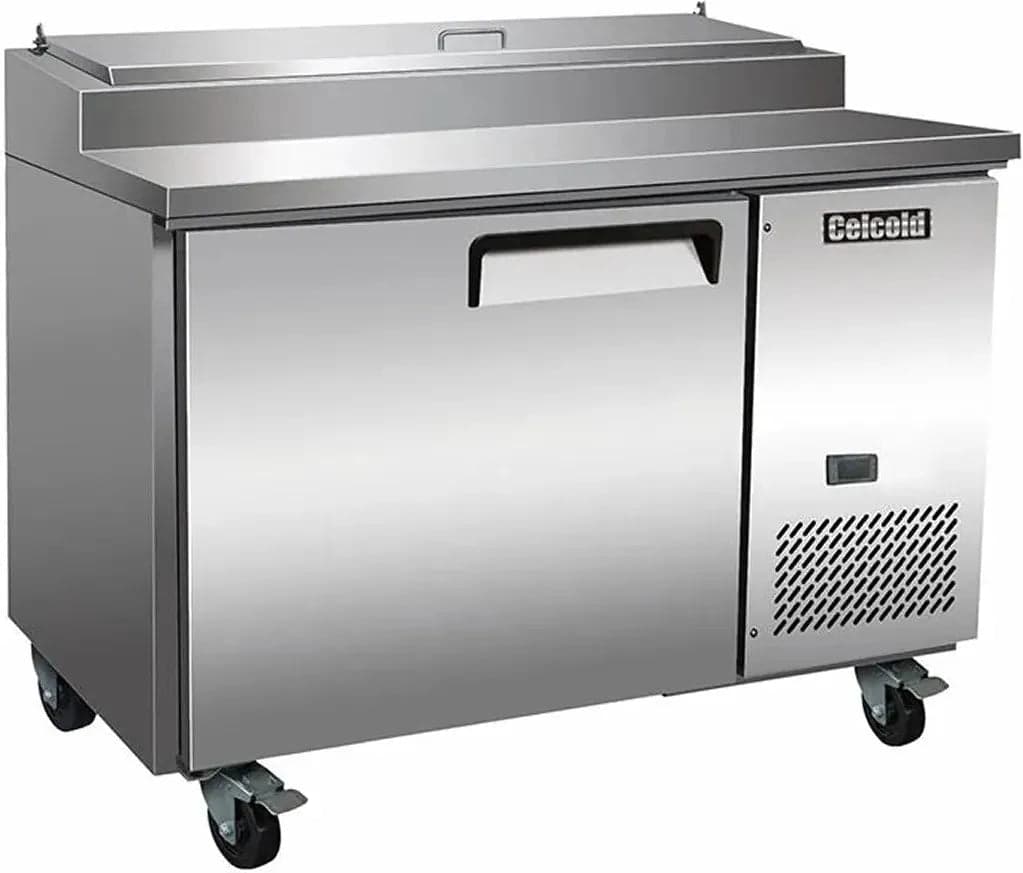
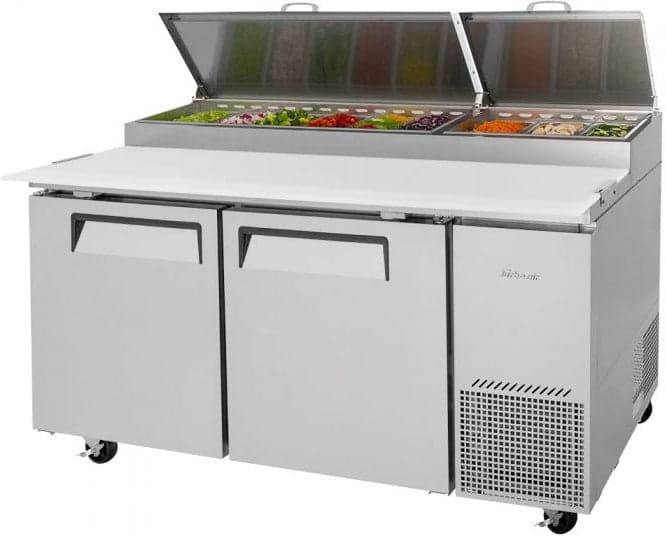
The make table is the centre of assembly: a refrigerated rail of topping pans above, a cutting-board work surface and refrigerated storage below. Health Canada's guidance is to keep cold food at 4 degrees C or below, which applies to toppings on the rail as much as in storage. Pizza prep tables in the catalogue run from about 44 inches to 94 inches wide, so choose the length for the number of people building pizzas at once and the toppings on your menu.
Products named in this section
Further reading
The equipment list: peels, cold storage, counter and cleanup
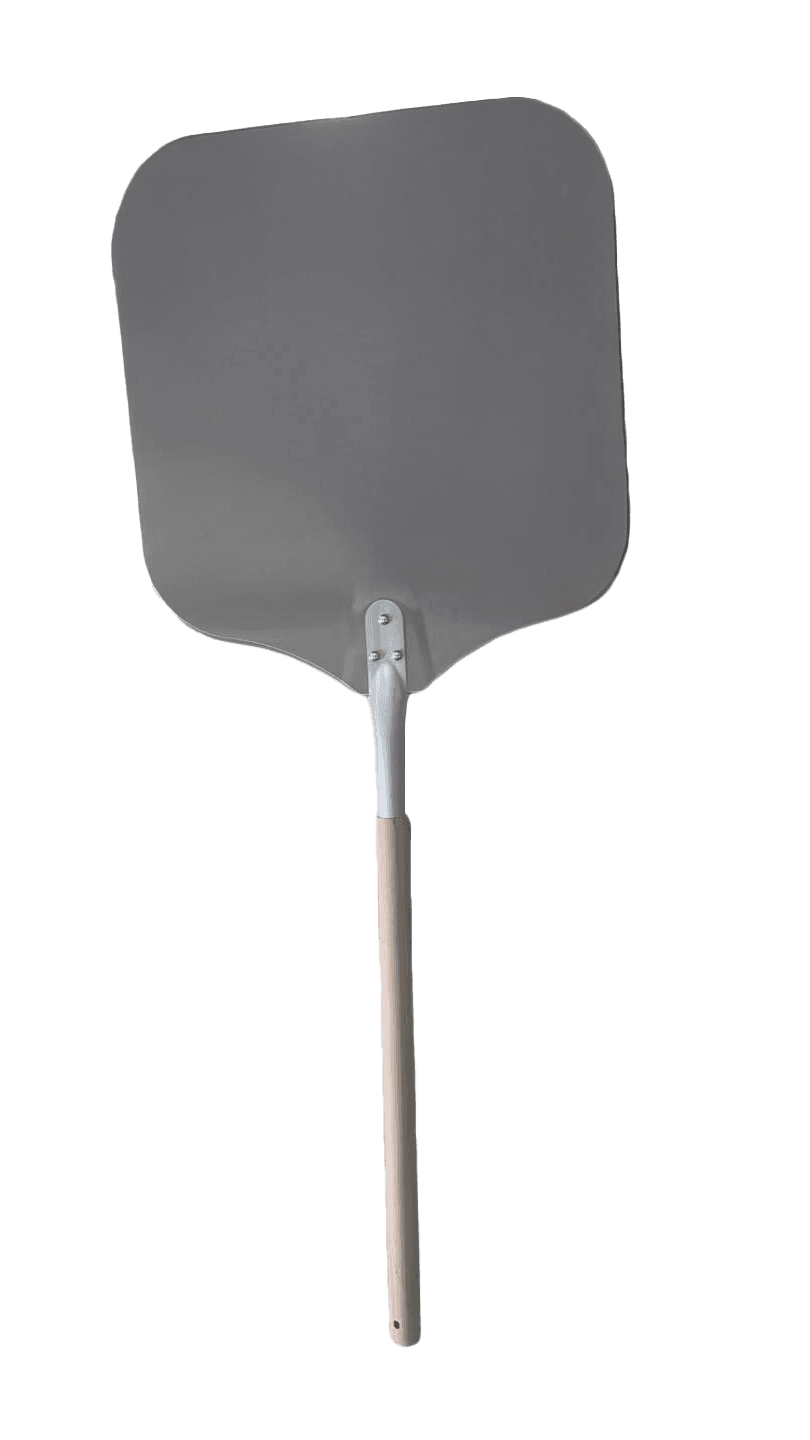
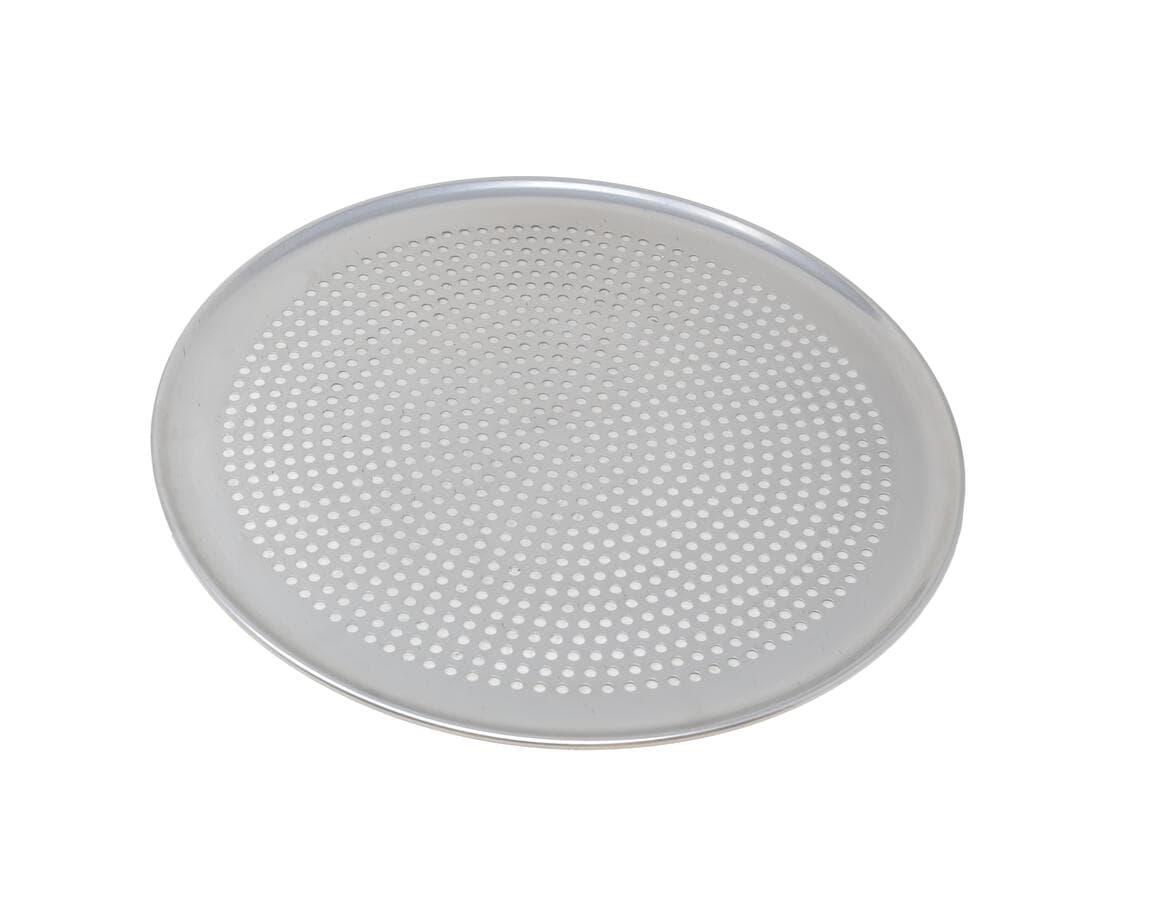
Small tools complete the line: peels for loading and turning, pans or screens if your style bakes on them, a pizza knife or rocker for cutting, and a scale to portion cheese and toppings. They cost little, but a missing peel stops service as completely as a broken oven.
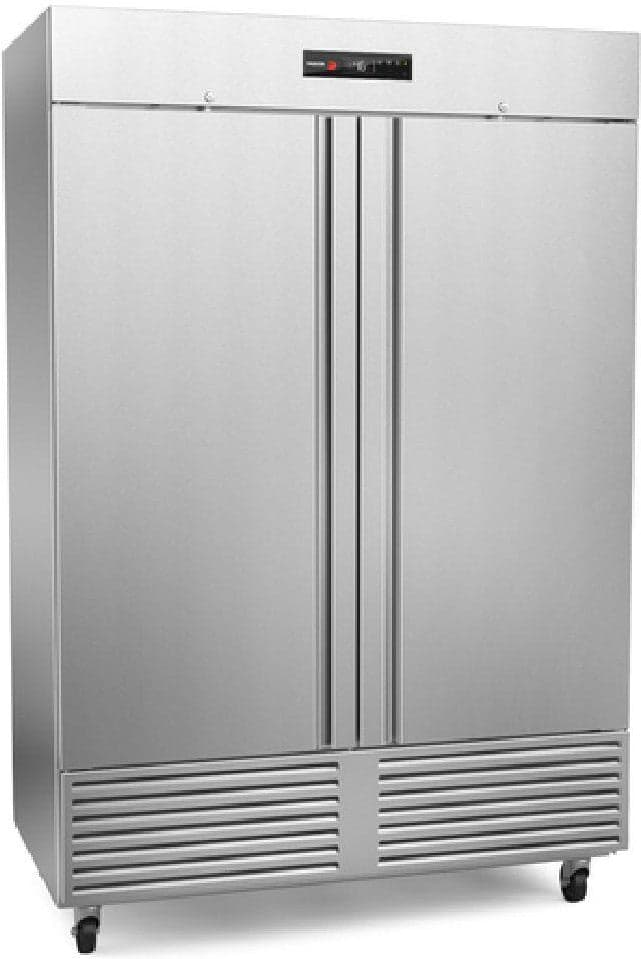
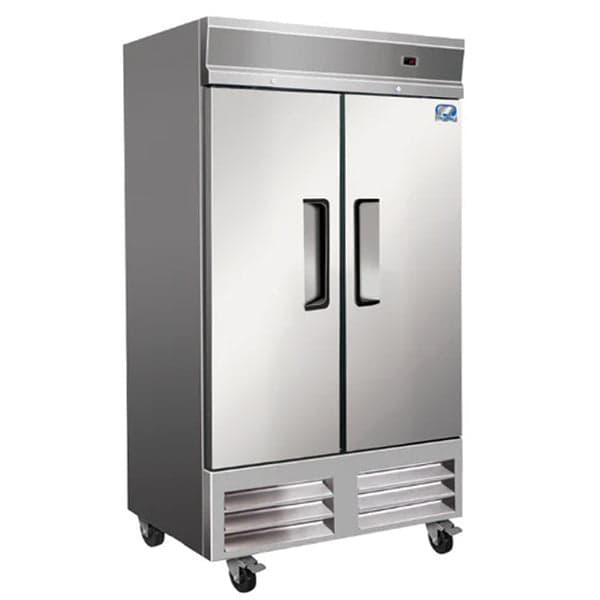
Cheese, meats, vegetables and dough need cold storage beyond the prep table. Smaller shops start with a reach-in refrigerator and freezer; higher volumes and shops that cold-ferment a lot of dough often move to a walk-in. Dry storage for flour, canned tomatoes and boxes goes on shelving off the floor, close to the make line.
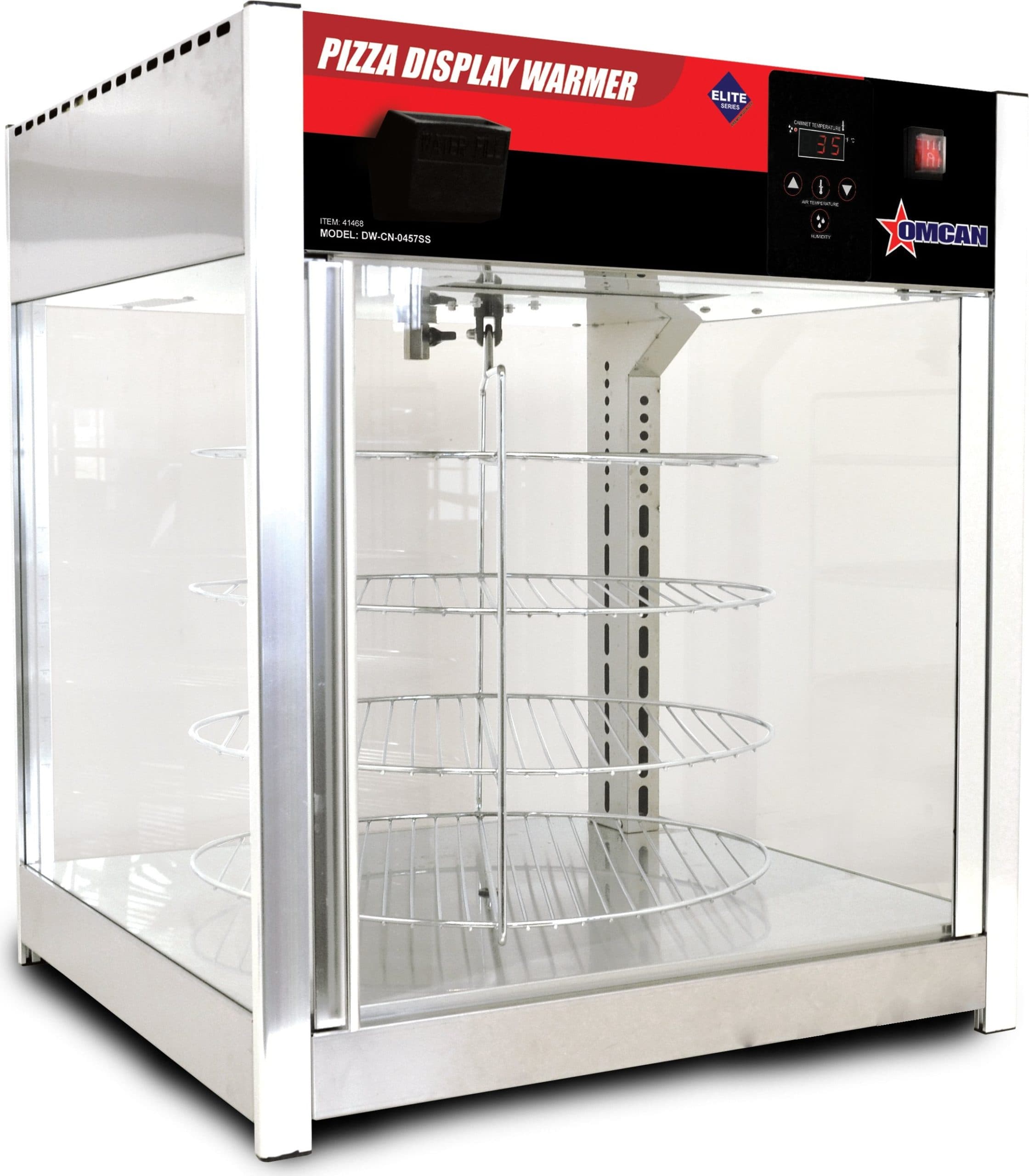
A slice shop or a busy pickup counter needs a heated pizza display or warmer so finished pizza stays hot until it is collected. Hot holding follows the kitchen guidance of 60 degrees C or above; check with a probe thermometer, and follow your local health unit on how long food may be held.
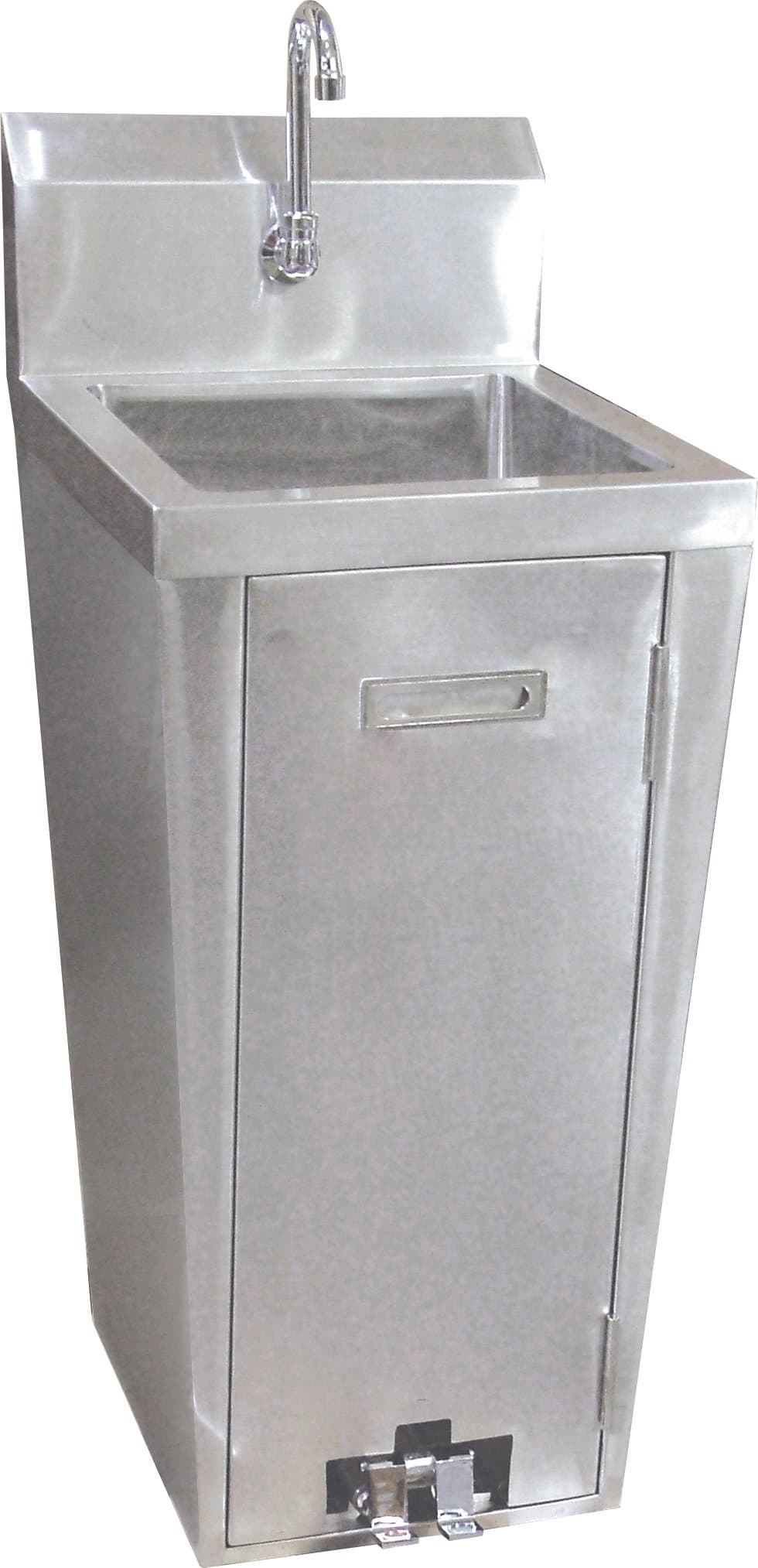
Your local public health unit sets the sink requirements: commonly a hand-washing sink separate from food preparation, and a compartment sink or a commercial dishwasher for pans and smallwares. Ask before the layout is final, because sinks fix where the plumbing and drains go.
Products named in this section
- $14.36
- $2,789.99
Space, ventilation, gas and power
Draw the floor plan around the oven, because it is the biggest fixed item and the one the building has to serve. A stacked conveyor oven needs a long straight run for the belt, loading and unloading space at each end, and clearance for the cooling fan and service access. A deck oven needs room for the person at the oven to open the door, load, rotate and unload without crossing another station.
A pizza oven gives off heat and, on gas, combustion products and grease vapour from cheese and toppings. Most gas ovens, and many electric ones, need a commercial hood over them; the oven's manual says what the maker requires and your local building and fire authorities decide what is installed. Plan make-up air with the hood. A kitchen that exhausts air without replacing it goes negative, and ovens and hoods both suffer.
Gas and electrical needs come from each manual: gas type and input, voltage, phase and amperage. A gas fitter and an electrician should read the full list before you order, because several machines usually need dedicated circuits. Confirm natural gas or propane, since all sales are final and a gas appliance arrives built for one.
The order to buy in
Buy in the order that each decision constrains the next. First fix the menu and the busiest-hour volume, then the oven, then everything that has to connect to the building.
- 1. The oven and the hood, because they set gas, power, ventilation and the layout.
- 2. Refrigeration and the make table, which must fit the plan the oven created.
- 3. The dough line: mixer, divider and sheeter or press, sized to the same volume.
- 4. Sinks and dishwashing, set by your health unit's requirements before plumbing is roughed in.
- 5. Shelving, tables, peels, pans and the front counter, last, when the room is measured.
Further reading
Lease or buy
An oven, a mixer and a make table are most of the equipment budget, and many new shops spread that cost instead of paying it up front so cash is left for rent, the first inventory and the opening weeks. Buying outright avoids financing cost and leaves you owning the machines; leasing keeps cash free. The right answer depends on your cash and your plan for the first year.
Financing is available on approved credit. Apply from the financing page and a Norpex rep sets it up within one business day.
Further reading
Permits and inspections
A food business needs permits, and the rules differ by province, city and sometimes the type of oven. Start with the federal overview of permits, licences and regulations, then check with your municipality and local public health unit before you finalize the layout or order equipment. Building, fire, gas and electrical approvals are separate from the health permit, and each has its own inspector.
Get the whole list priced
Once you have a menu, a volume estimate and a floor plan, send the full equipment list through the project quote form. A person prices the whole list with freight included and replies within one business day. Items that can be bought online show the delivered price at checkout before you pay, and Norpex matches a Canadian store's delivered price on the same new, in-stock item under the terms on the price match page.
Liftgate, delivery appointment or inside delivery are arranged before you pay. All sales are final, so confirm voltage, phase, gas type, door swing and dimensions before ordering.
Further reading
Common questions
Should a new pizzeria choose a deck oven or a conveyor oven?
- Deck ovens suit a wide range of styles and reward skilled oven staff. Conveyor ovens bake every pizza the same way at a set speed and suit high-volume and delivery menus. Your style and your busiest hour decide which fits.
What size mixer does a pizza shop need?
- Use the manufacturer's capacity chart, which gives the dough or flour weight the mixer can handle at a stated hydration. Size it for your recipe and the largest batch you will make, not for the bowl volume.
Does a pizza oven need a hood?
- Ventilation requirements depend on the oven, the fuel and your local building and fire codes. The oven's manual lists what the manufacturer requires, and your local authorities decide what must be installed.
How cold should pizza toppings be kept?
- Health Canada's guidance is 4 degrees C or below for cold food, including toppings on the prep table rail. Keep the rail covered between rushes and check the food temperature with a probe thermometer.
Can I get one quote for the whole pizza shop?
- Yes. Send the equipment list or a floor plan through the project quote form. A person prices the full list with freight included and replies within one business day.