
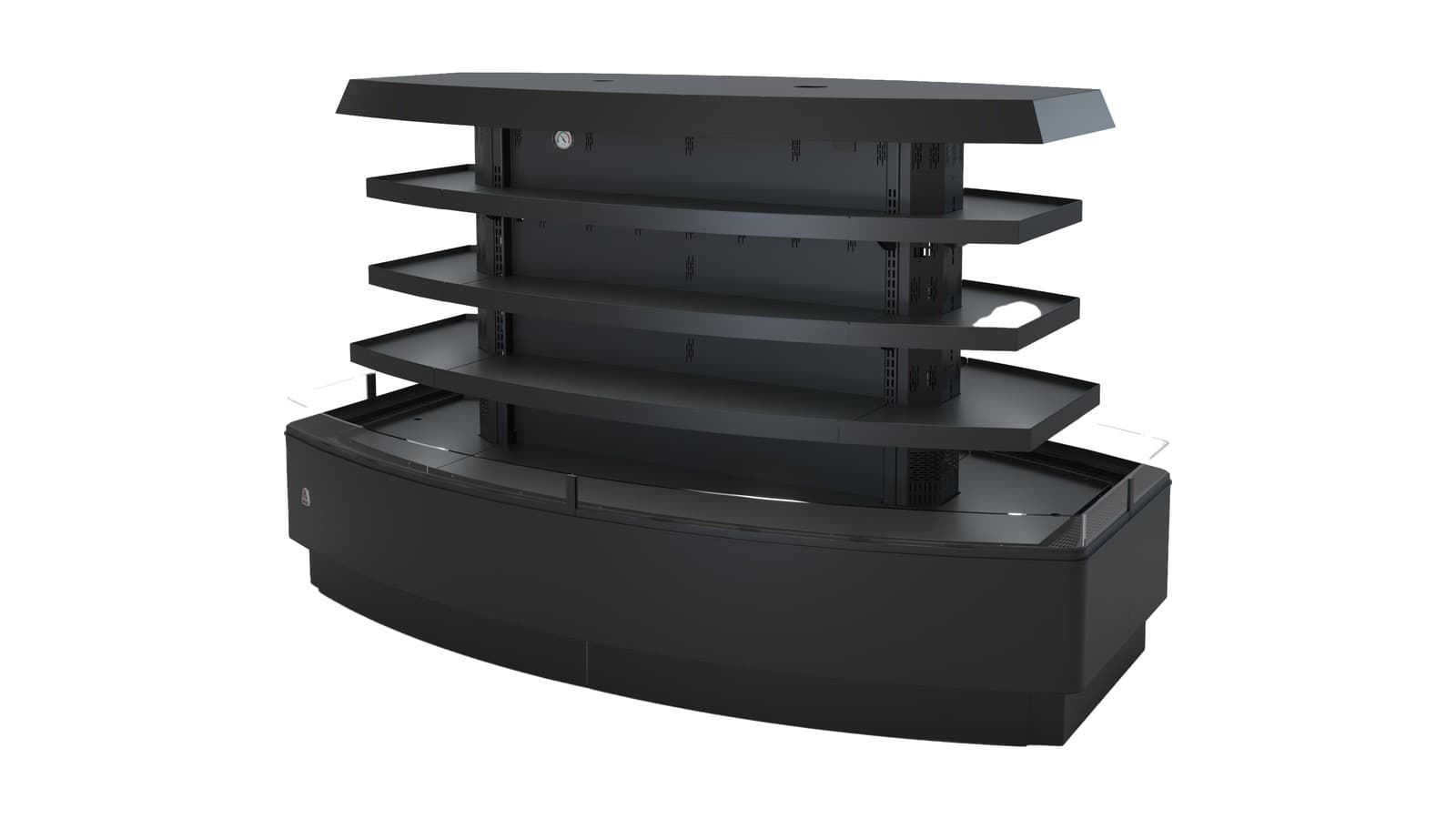
This guide covers the proper installation, daily operation, cleaning, and basic troubleshooting for Southern CaseArts open-air and island merchandisers, based on the manufacturer's installation and operation manuals. Following these steps helps maintain safe product temperatures and extends the life of your equipment.
Key takeaways
- Always allow the case to run for at least 4 hours before loading with pre-chilled product.
- Keep air intake and discharge grills clear, and clean the air filter monthly.
- Never tilt a self-contained case more than 15° from vertical; if tilted, wait 24 hours before powering on.
- Use only a qualified, licensed installer for electrical, plumbing, and refrigeration connections.
- Never hose or steam-clean the interior, and never add water to self-contained cases or cases with an evaporator pan or condensate pump.
Before you install: receiving and store conditions
When your Southern CaseArts case arrives, inspect it immediately for shipping damage. The carrier assumes liability from shipment to delivery, so any obvious loss or damage must be noted on the freight bill and signed by the carrier's agent. For concealed damage discovered after unpacking, retain all packing materials and request a carrier inspection within 15 days. These instructions appear in every Southern CaseArts installation and operation guide, including those for the McKenzie MDC-87LD, Placid MDI-4M1F, Champlain MDI-4T1, Potomac BCX-SS, and the SAR and RIM series.
These refrigerated display cases are designed for use in air-conditioned stores where the temperature does not exceed 75°F and relative humidity does not exceed 55%. Avoid placing the case near air conditioning ducts that blow directly into the open front, as well as near ovens, ceiling fans, or direct sunlight. Any disturbance to the air curtain can impair temperature performance. The manuals for all series state that the store environment is critical to proper operation.
Before moving the case, note that remote series cases ship with dollies beneath the base frame, while self-contained cases typically have heavy-duty casters permanently mounted. Never push or pull on glass components. If using a forklift or pallet jack, use a spotter to guide the forks and prevent damage to under-case electrical, plumbing, and refrigeration lines.
Installation steps for Southern CaseArts cases
Installation is for a qualified, licensed installer, to the applicable electrical, plumbing and building codes; the installer also makes sure the case meets local building and health codes. Before starting, check the electrical connections and remove any styrofoam shipping blocks from the case.
Begin by locating and verifying the placement of cases according to your store's blueprints. Mark the floor for the entire lineup. Leveling is critical: for shipment, the leveler legs are run all the way out, so screw them all the way in before leveling. Locate the highest point on the floor as a reference, then adjust each leg until the case is level and all legs are secure to the floor. The step-by-step diagrams in the manuals illustrate this process.
Roll the first case into position, then use a jack bar on the underside of the steel frame to lift the case and remove the dollies. Keep hands clear to avoid injury. Roll the next case into position, leaving a few feet for maneuvering, and repeat the dolly removal. Before joining cases, remove any obstructions, run a bead of sealant around the entire end, and ensure alignment pins are in place. Push the cases tightly together and bolt them through the provided holes, tightening until margins are equal without over-tightening.
After mechanical connections are made, seal all penetrations and install all panels and kick plates. If less than 90% of the floor under the case can be accessed by a 1.5-inch diameter rod for cleaning, silicone the kickplate to the floor. Make sure all shelf light plugs are fully seated; unused receptacles must have their covers pushed in completely to prevent arcing or fire hazards. These final steps are detailed in the installation instructions for every series.
Daily operation and temperature management
Southern CaseArts display cases are designed to maintain the temperature of already-chilled product, not to cool down warm items. Always keep products at food-safe temperature before loading. Allow the case to operate for a minimum of 4 hours before placing any product inside, and do not load it until it has reached operating temperature. This requirement is stated in the general information section of every manual, including those for the MDC-87LD McKenzie and MDI-4M1F Placid.
Proper airflow is essential. Never block the discharge air plenum or the return air grill. Overloading the case or covering these sections will disrupt the air curtain and cause temperature loss. Keep products within the load limits shown on the section view diagram in your model's manual. Shelf weight must not exceed 30 lb per square foot, evenly distributed. Exceeding this limit is considered misuse and can damage the merchandiser or cause injury.
The cases use a Carel PJ Easy or Easy Compact digital electronic thermostat with defrost control, with an LED display and keypad for the set point and defrost parameters. The factory settings differ by model and are listed in each case's installation and operation guide, so check yours before changing anything.
For self-contained models, ensure the air intake grill and discharge vent remain clear. The intake grill contains an air filter that must be cleaned monthly or more frequently if needed. Cases equipped with an electric condensate dissipater pan evaporate defrost water; never pour food products, wash water, or cleaning chemicals into the tub drain, as this can damage the heating element. The manuals for the MDC, MDI, BCX, SAR, and RIM series all contain these warnings.
Cleaning and routine maintenance
Disconnect power before any cleaning. Remove all product and loose debris so the waste outlet does not clog, turn off the refrigeration and disconnect the power, then clean every surface with soap, hot water and a cloth or sponge and rinse with hot water without flooding. Keep water away from the fan motors, and let the case dry before restoring power. Never use steam or high-pressure hoses inside: they destroy the case's sealing and cause leaks. Never add water to self-contained cases, cases with an evaporator pan or condensate pump, or faster than the drain can take it.
Interior surfaces take most household detergents, ammonia-based cleaners and sanitizing solutions; never use abrasive cleansers, scouring pads or solvent, oil or acid-based cleaners. Clean the exterior with mild detergent and warm water. Vacuum dirty honeycombs, or wash them with soap and water if every cell is dried before refitting, since dirty honeycombs make the case perform poorly. Clean plexiglass with soft cotton cloths only, and never put hot water on cold glass: warm the glass fronts and ends first or the glass can shatter.
The air filter in the intake grill is cleaned monthly, or more often if needed. Cases with an electric condensate dissipater pan need monthly checks that the pan is clean and its float switch moves freely; a neglected pan can flood or overheat. Never pour food, wash water or chemicals into the tub drain. The guides include a monthly maintenance log to record this work. Do not walk on the case or load its top.
If the case is not holding temperature
The guides do not carry a fault table, but they name what upsets these cases. Check that the store is within 75°F and 55% relative humidity, that no air-conditioning duct, oven, ceiling fan or direct sunlight is disturbing the air curtain, and that the discharge air plenum and return air grill are not blocked by product.
Check that the case is not overloaded beyond the load lines in its section view or 30 lb per square foot on a shelf, that the air filter is clean and that product went in already cold, since the cases hold temperature rather than pull it down. A self-contained case that was tilted more than 15° must wait 24 hours before it is switched on. Anything beyond these checks goes to the manufacturer's authorized service network.
Service and support
Repairs and refrigeration work go to the manufacturer's authorized service network. Southern CaseArts supplies on request the thermometer that the FDA Food Code and NSF-7 call for, placed according to those guidelines.
Common questions
How long should I wait before loading product into a new Southern CaseArts display case?
- Allow the case to operate for a minimum of 4 hours before loading it with product. The product must already be at a food-safe temperature; the case is designed to maintain temperature, not to cool down warm items.
What store conditions are required for these cases to perform properly?
- The cases are designed for air-conditioned stores where the temperature does not exceed 75°F and relative humidity does not exceed 55%. Avoid placing them near air conditioning vents, ovens, ceiling fans, or direct sunlight, as these can disturb the air curtain and impair performance.
How do I clean the air filter and condensate pan?
- Clean the air intake filter monthly, or more often if needed. For cases with an electric condensate dissipater pan, perform monthly maintenance to keep the pan clean and ensure the float switch moves freely. Never pour food products or wash water into the tub drain.
Can I use running water to clean the interior of my case?
- No. If your case is equipped with a condensate pump, do not use running water. The pump cannot handle excess water, and doing so may cause flooding or damage. Wipe out the interior by hand with appropriate cleaners.
What should I do if my case is not holding temperature?
- Check that the store is within 75°F and 55% relative humidity, that nothing blows across the open front, that the air grills are not blocked, that the case is not overloaded and the air filter is clean, and that product was already cold. If it still will not hold temperature, call the manufacturer's authorized service network.