
Winter delivery of commercial kitchen equipment needs extra planning. Snow and ice can shift a carrier's timing, cold-soaked refrigeration must warm up before it is switched on, and the route to your door has to be clear. Inspect everything before signing and call Norpex the same day about any damage.
Key takeaways
- Snow, ice and road conditions can shift delivery timing; arrange a liftgate, appointment or inside delivery with Norpex before paying.
- Clear the curb or dock and the path inside, and protect floors from slush and road salt.
- Refrigeration that travelled in the cold must stand upright and reach room temperature for the time the manufacturer's manual gives before it is plugged in.
- Check equipment that holds water for cracked lines before connecting it.
- Inspect every delivery before signing, note damage on the delivery receipt and call Norpex the same day.
Why winter changes a delivery
Canadian winter weather makes delivery timing less predictable. Snow and ice at the curb or dock, road closures and carriers working around conditions they cannot control can move a delivery earlier or later than planned, and shorter daylight leaves drivers less time to finish their routes.
Equipment also spends hours or days in a cold trailer. That is not a problem for most machines, but it changes how a unit should be handled and started once it arrives. Arrange the delivery details with Norpex before you pay, so someone is there to receive it and the carrier knows what the site needs.
Clear the route and protect your space
Start outside. Shovel and salt the driveway, the parking area and the path to the dock or delivery door, and clear any snowbank that blocks truck access. Obstacles buried under snow are invisible to a driver backing a pallet jack.
Inside, clear the receiving area so the pallet has somewhere to land. Lay cardboard or floor protection along the route, because slush and road salt come in with the equipment and the people moving it, and salt residue is hard on many floor finishes.
Cold-soaked equipment and start-up
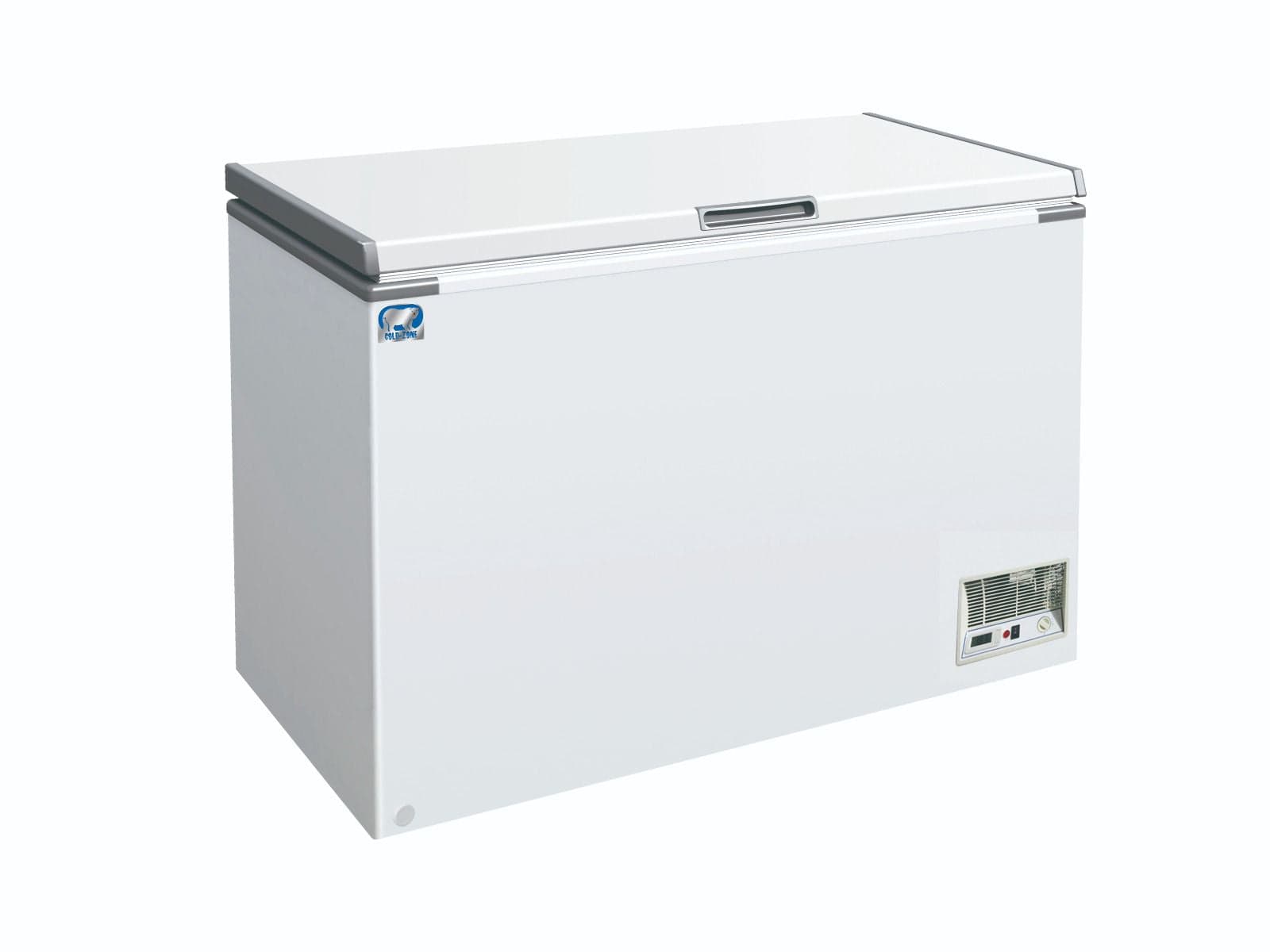
Refrigeration, ice machines and other equipment with a refrigeration system need time to acclimate after a cold trip. The manufacturer's manual gives the stand time: the unit should stand upright and reach room temperature before it is plugged in, and the figure varies by maker and by how the unit travelled. Do not rush start-up to meet a service deadline.
As cold stainless steel and glass warm up, condensation forms on them. Wipe it away and let any exposed electronics and wiring dry before powering on. If the manual did not come with the unit, ask Norpex or the manufacturer for it before you switch anything on.
Liquids and water lines
Some equipment can hold water or other liquid in its lines or reservoirs, including ice machines, dishwashers, coffee equipment and some beverage dispensers. If water froze in transit, it can crack a line or a fitting that only starts leaking once the unit warms and is connected.
Before connecting to the water supply, read the manual and inspect the visible plumbing, the inlet connection and anything behind access panels for cracks or moisture. If you find a crack or a leak, do not connect the equipment, and call Norpex the same day.
Inspect before you sign
Freight damage can happen in any season, and winter handling adds risk. Before you sign the delivery receipt, count the pieces and walk around every pallet and crate looking for crushed corners, holes and broken slats. Where the packaging is damaged, look inside with the driver present if you can.
Photograph any damage in good light, write it on the delivery receipt in specific words before the driver leaves, and call Norpex the same day. Do not power up equipment with electrical or structural damage. Specific notes and photos are what a damage claim relies on.
If installation has to wait
Equipment often arrives before the trades are ready to install it. Keep it inside a heated space, in its packaging, off the wet floor and away from doors where slush and cold air come in. Leave refrigeration upright, as it shipped; laying a unit on its side can let compressor oil move into the refrigerant lines.
Keep the manual, the warranty card and the packing list with the unit, and register the warranty the way the manufacturer asks. When the installer arrives, give them the manual first, because the stand time, clearances, electrical supply and water connections it lists are what the installation has to meet.
Plan your delivery appointment
Tell Norpex what the site needs before you pay. If there is no dock, the delivery needs a liftgate. If the item has to go up stairs, through a narrow door or past a tight corner, say so before the truck is booked.
For a storefront without a dock or easy access, inside delivery may be the right choice. A driver cannot re-plan a delivery at the curb, so the details have to be arranged with Norpex before paying.
Common questions
How long should refrigeration equipment stand before I plug it in?
- Use the stand time in the manufacturer's manual. It varies by maker and by how the unit travelled, so there is no single figure. The unit should be upright, at room temperature and free of condensation before it is switched on.
What should I do if I find damage when the truck arrives?
- Write the damage on the delivery receipt in specific words before the driver leaves, take photos in good light and call Norpex the same day. Do not use equipment that is electrically or structurally damaged.
Do I need to arrange anything special for a winter delivery?
- Yes. Tell Norpex about the dock or lack of one, stairs, narrow doors and any access problems, and arrange a liftgate, a delivery appointment or inside delivery before paying. Then keep the route clear of snow and ice on the day.
What if a water line cracked in the cold?
- Do not connect the equipment to the water supply. Photograph the crack and call Norpex the same day, so the problem is recorded before the unit is installed or used.