Blast Chillers
62 products
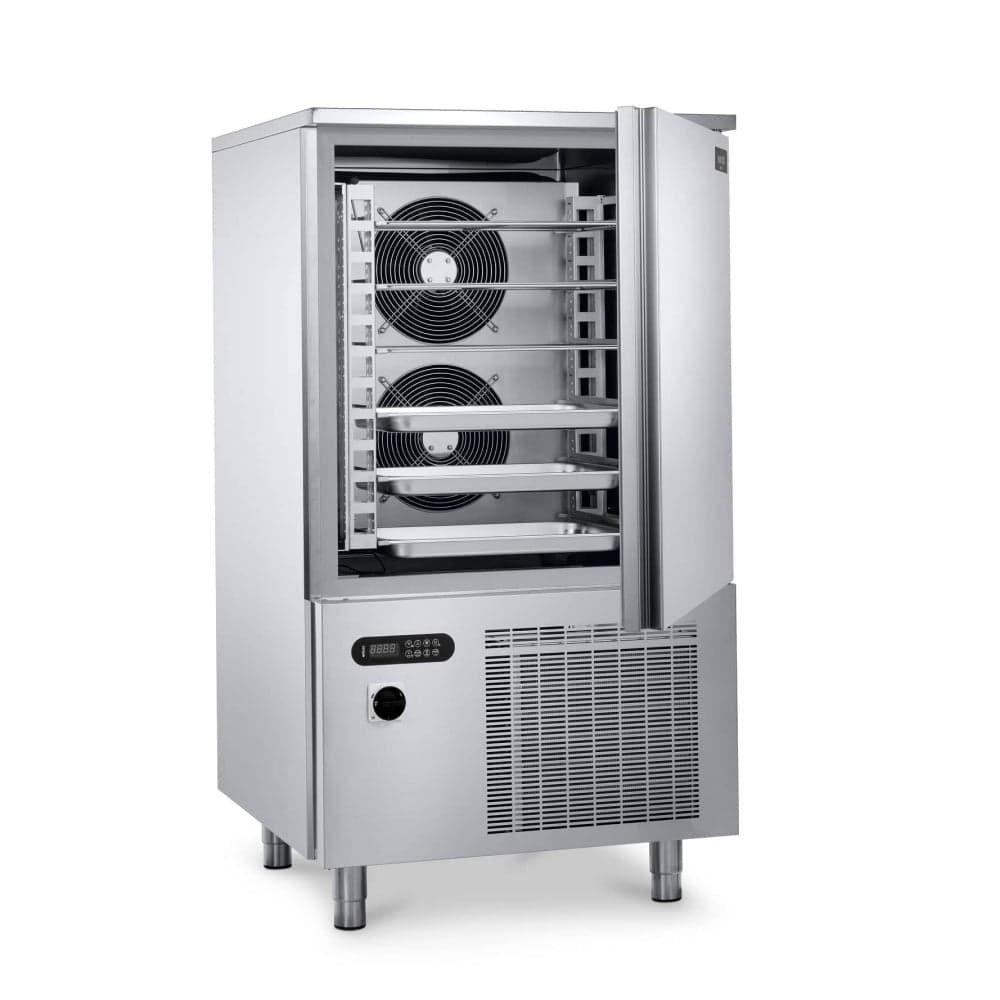
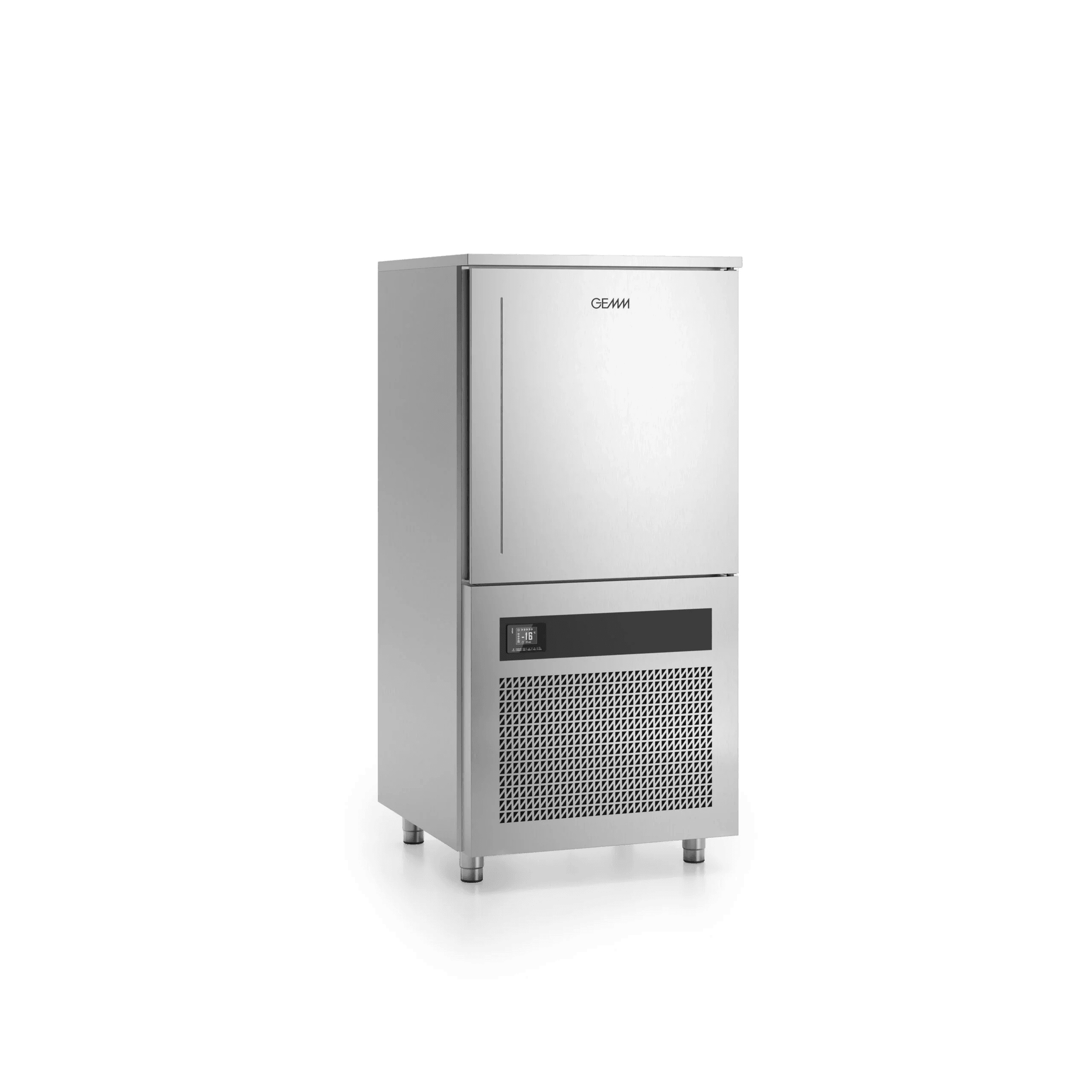
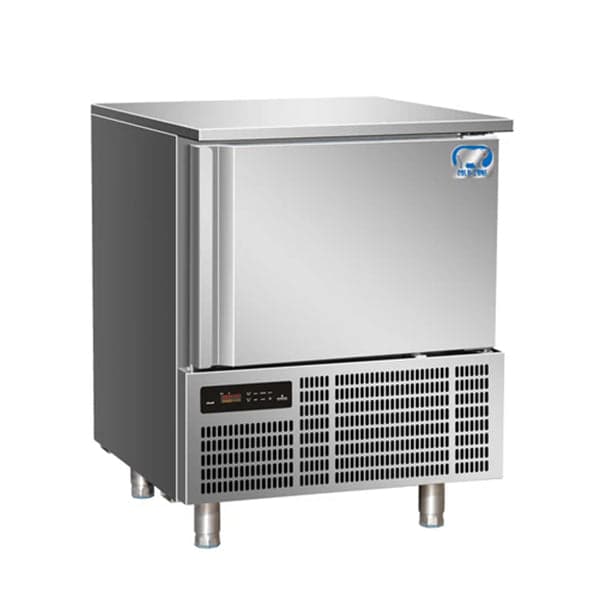
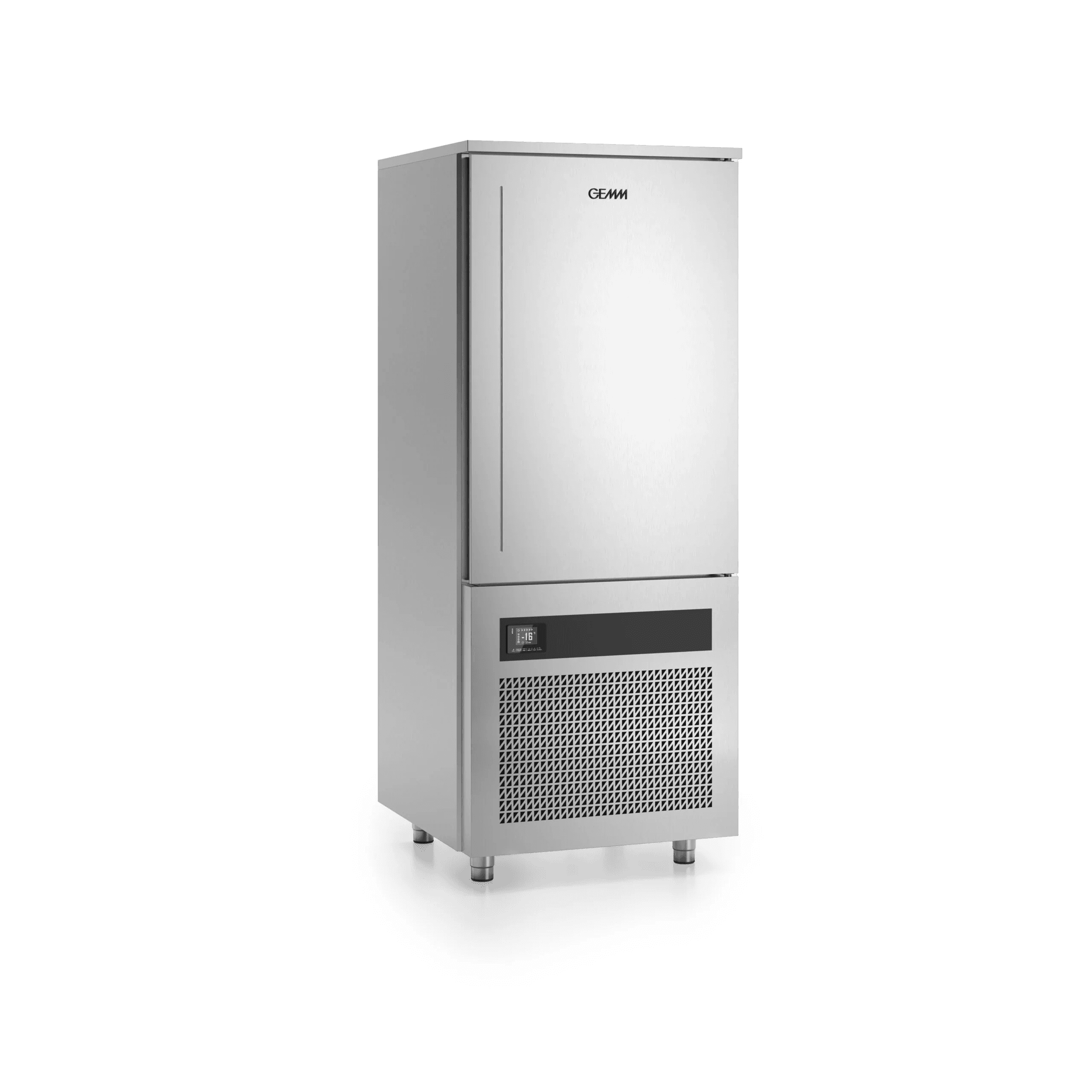
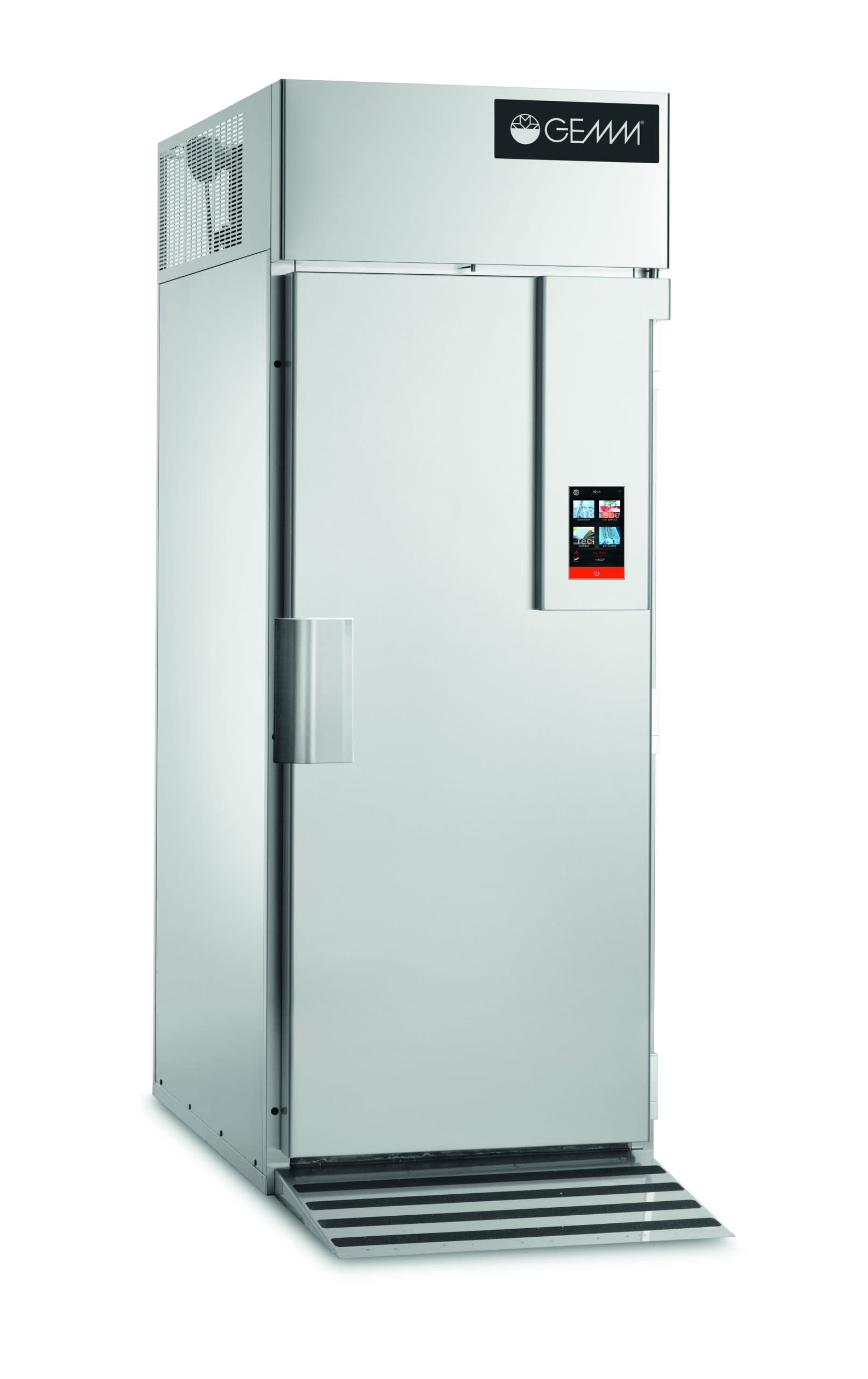
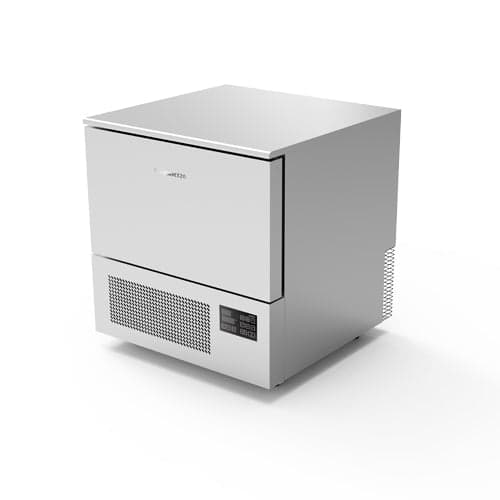
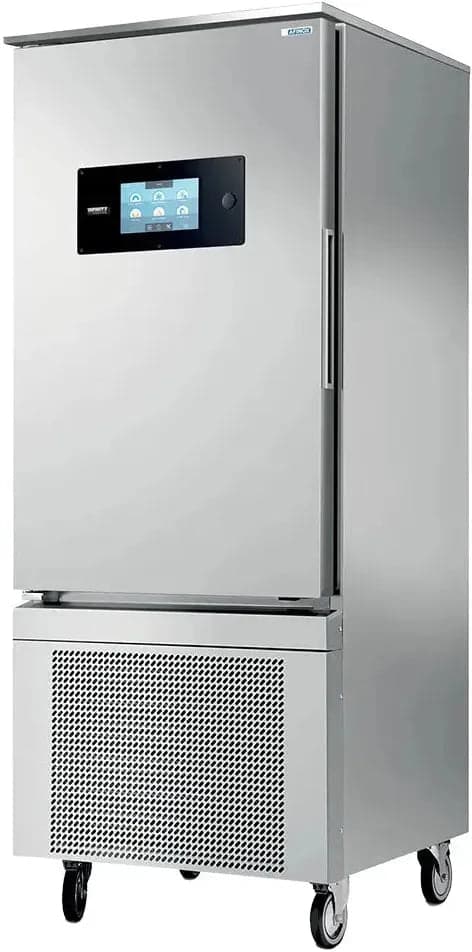
Blast chillers pull cooked food down to refrigeration temperature far faster than a reach-in, using high-velocity cold air, with a food probe on most models to track the core temperature, and many models also shock-freeze. Caterers, institutional kitchens, bakeries and restaurants that cook ahead use them to cool large batches safely, protect quality and plan production for later service. Reach-in models take pans or trays; larger roll-in units accept whole racks.
62 products
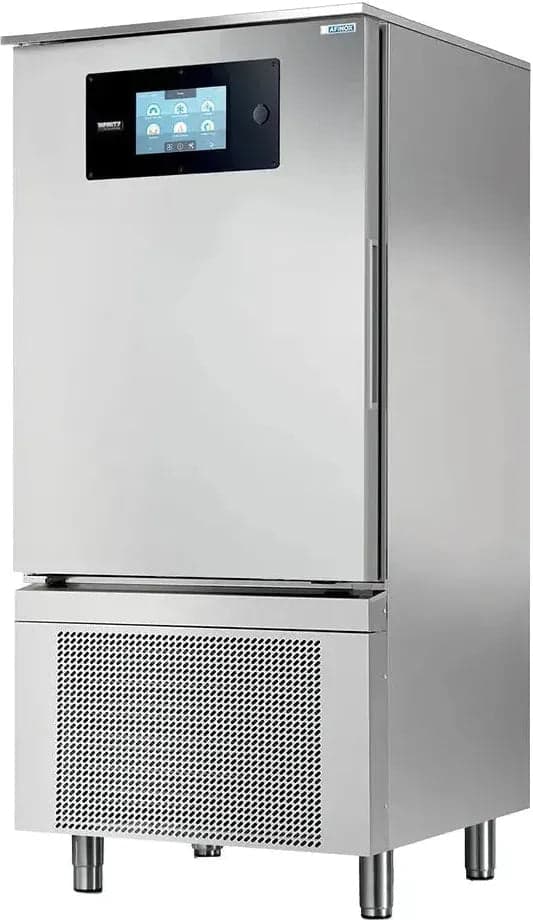
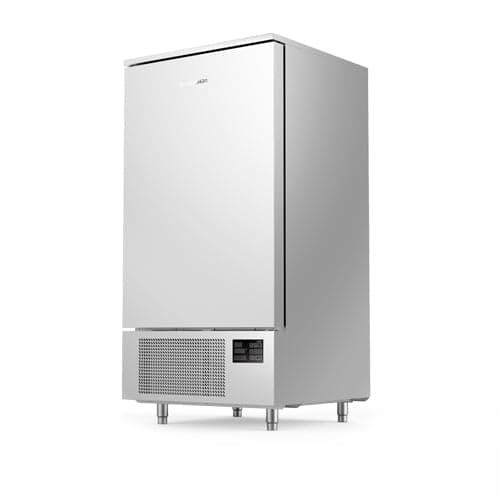
Afinox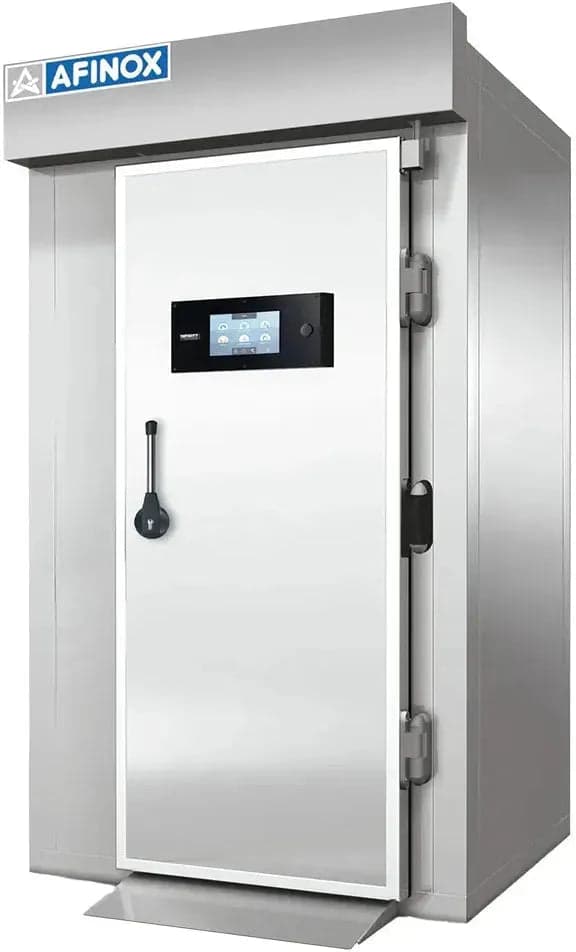
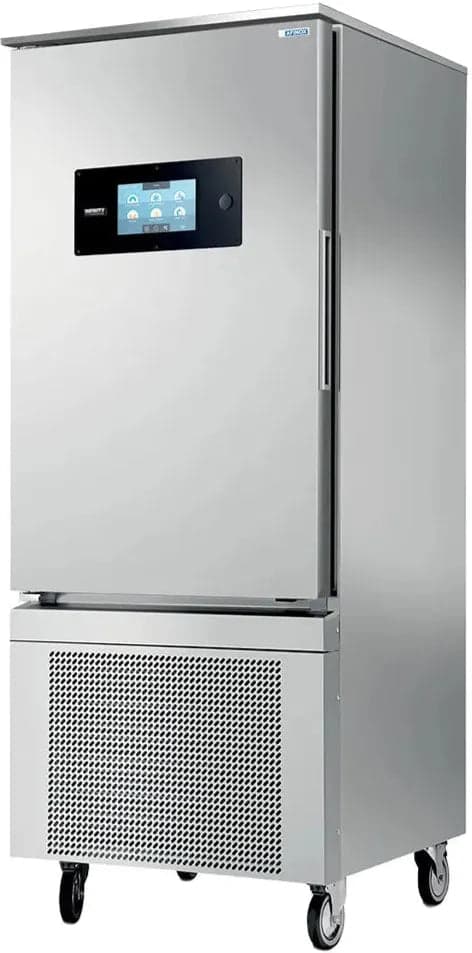
Start40
Afinox – INFINITY Start 40 Roll-In Blast Chiller & Freezer – Start40
$100,706.67
In stockAfinox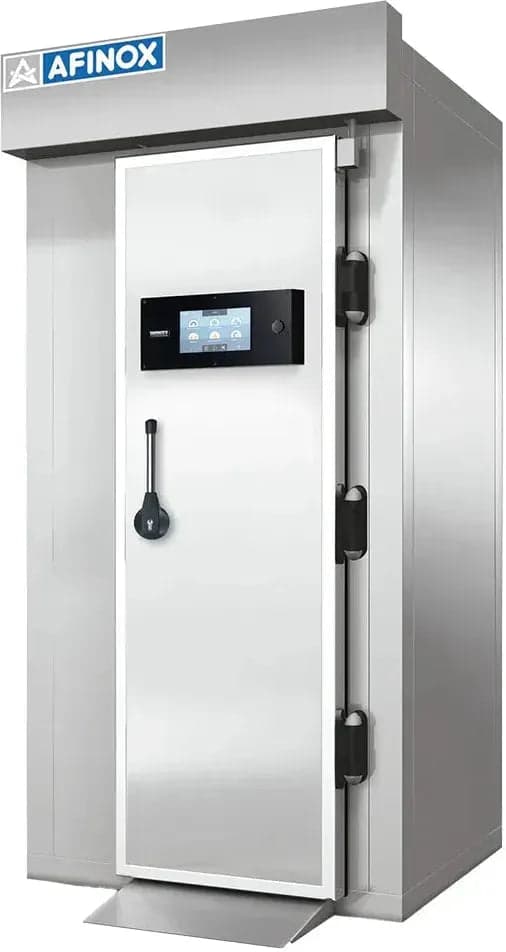
Start20
Afinox – INFINITY Start 20 Roll-In Blast Chiller & Freezer – Start20
$55,906.67
In stock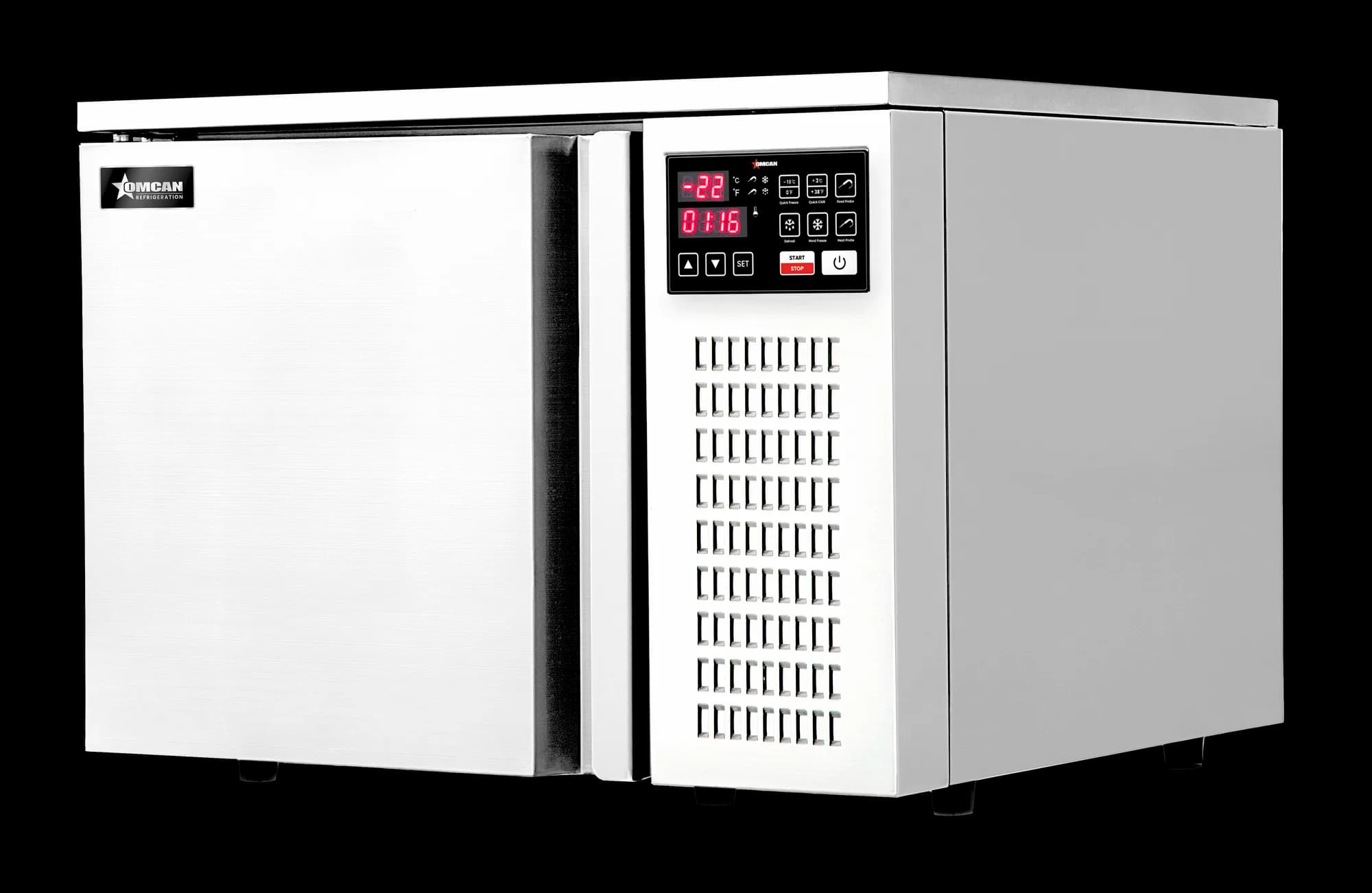
Afinox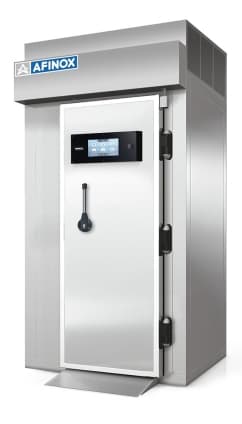
AFINOX INFINITY START 40 COMPACT
Afinox Infinity Start 40 Compact Roll-In Blast Chiller Freezer
$104,759.99
In stock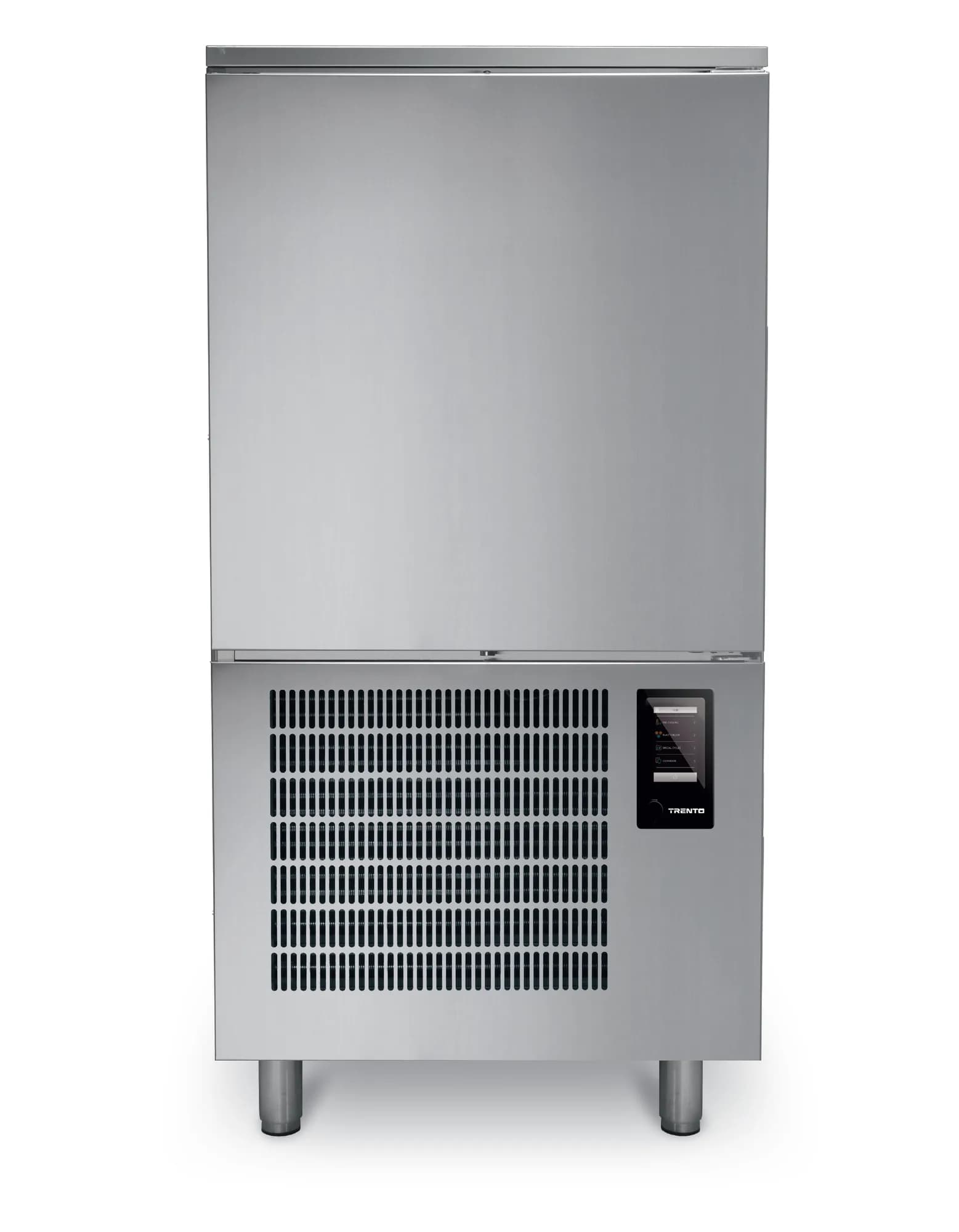
Afinox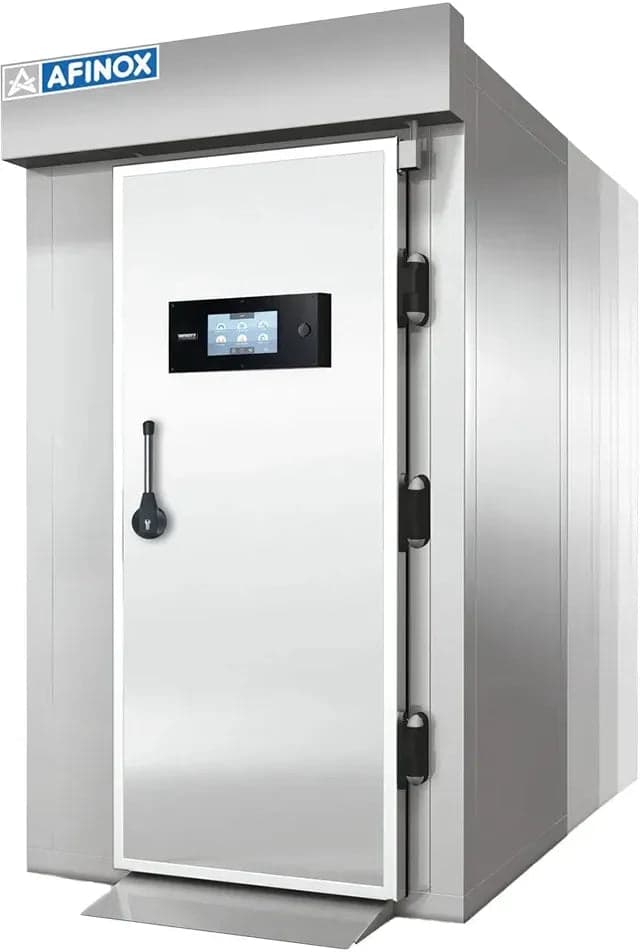
Start60
Afinox – INFINITY Start 60 Roll-In Blast Chiller & Freezer – Start60
$110,973.33
In stock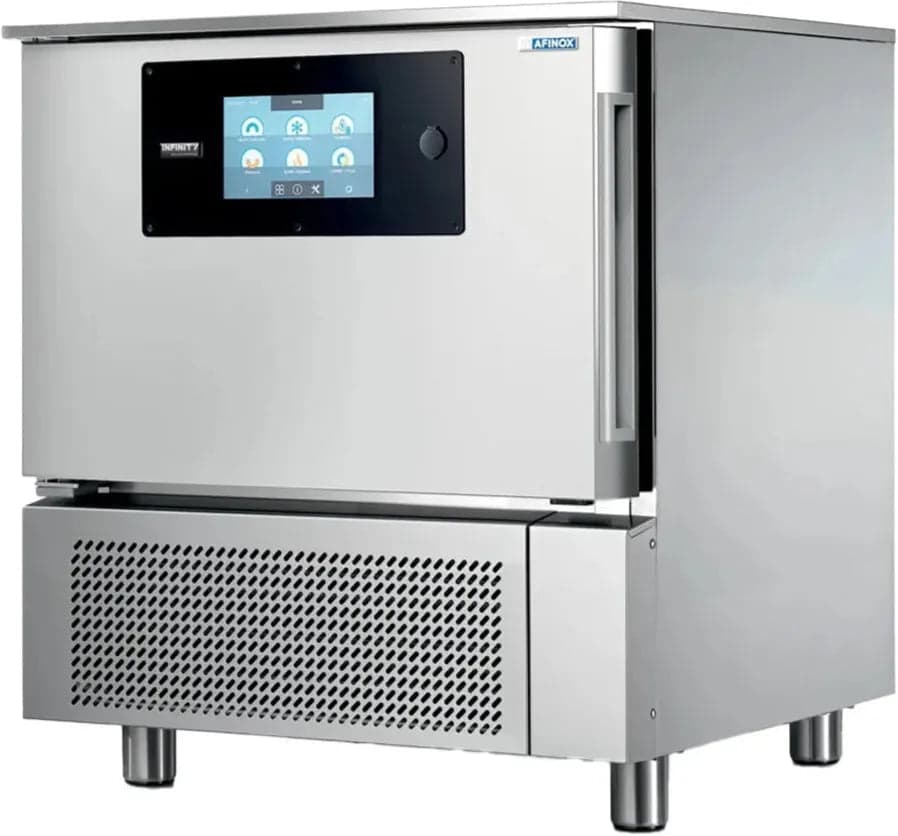
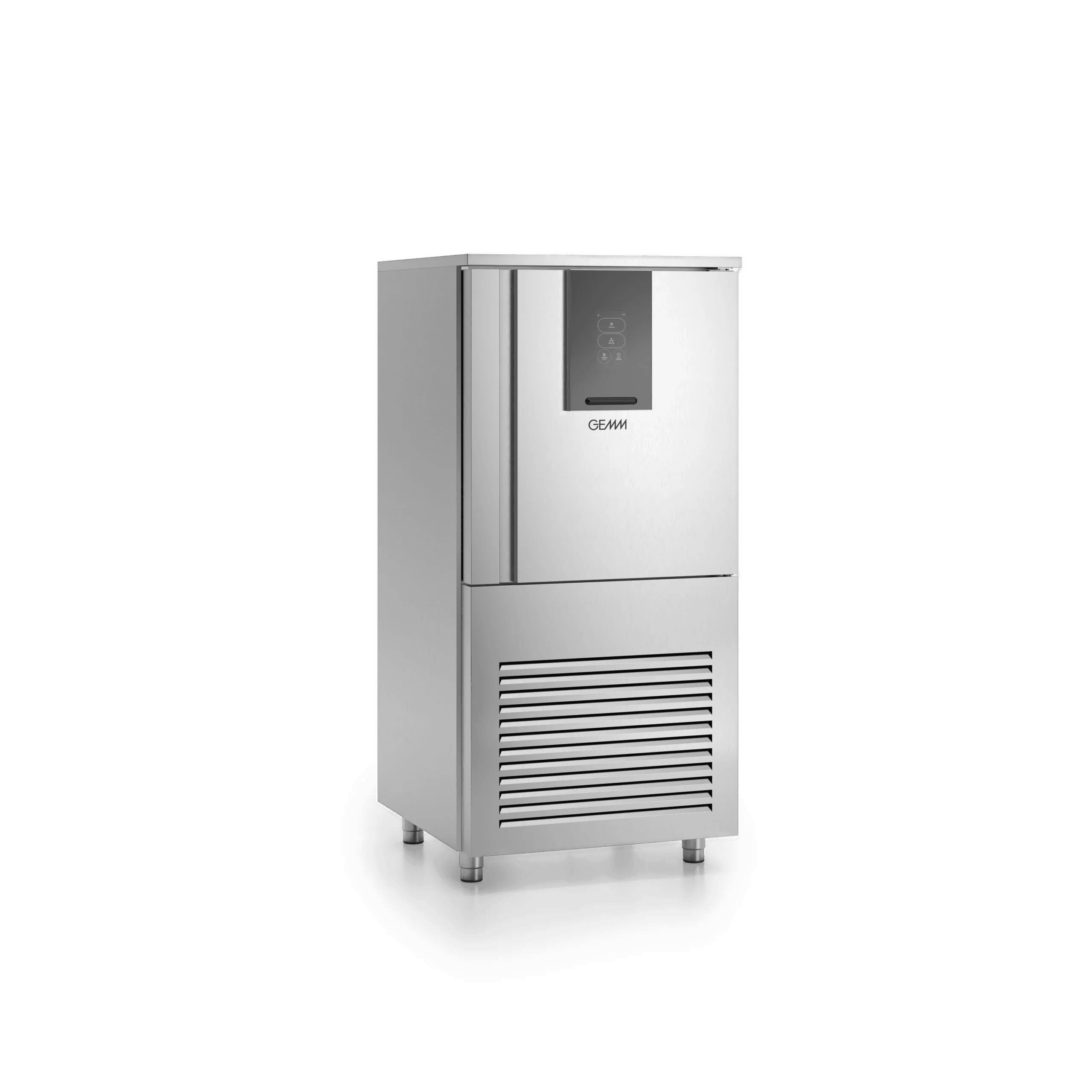
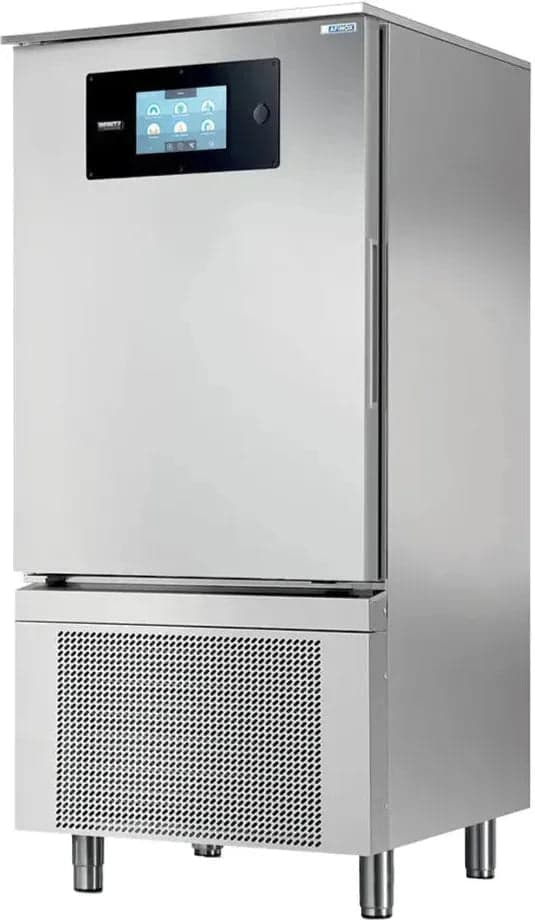
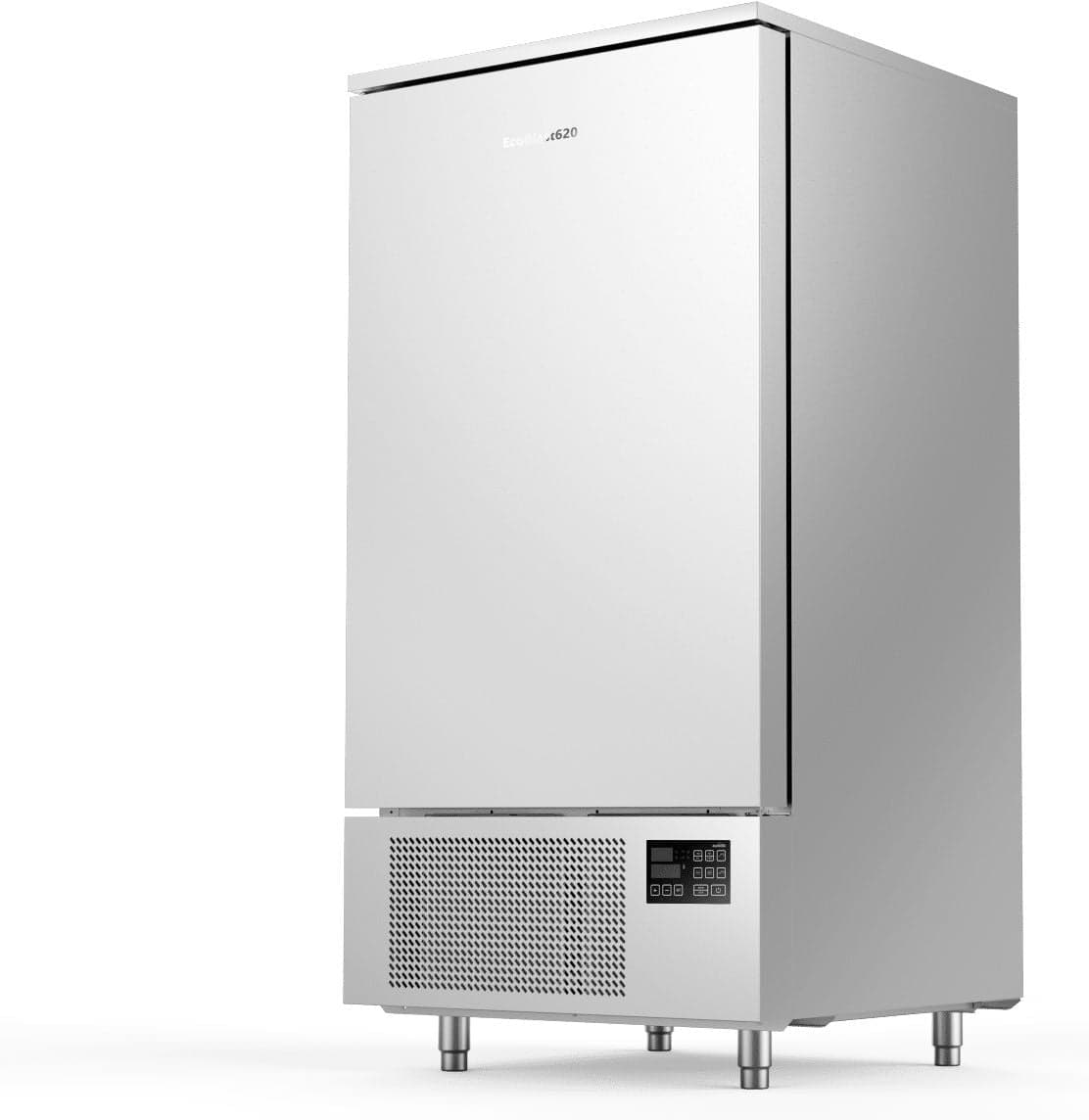
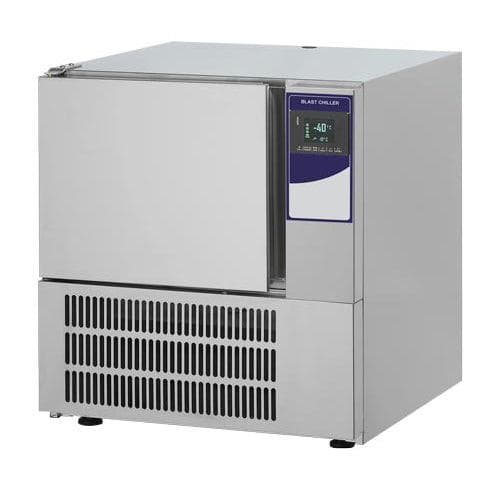
Eurodib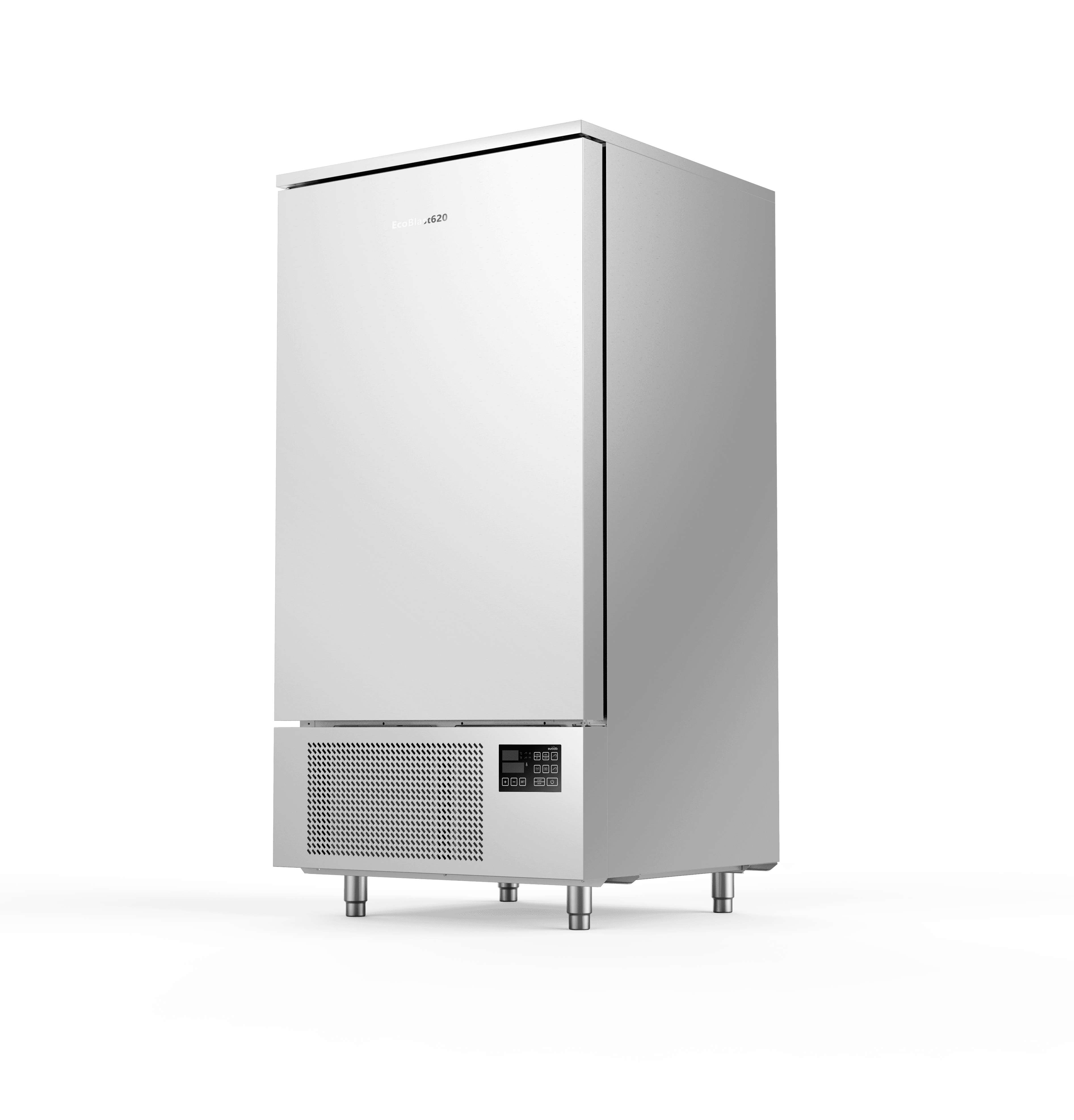
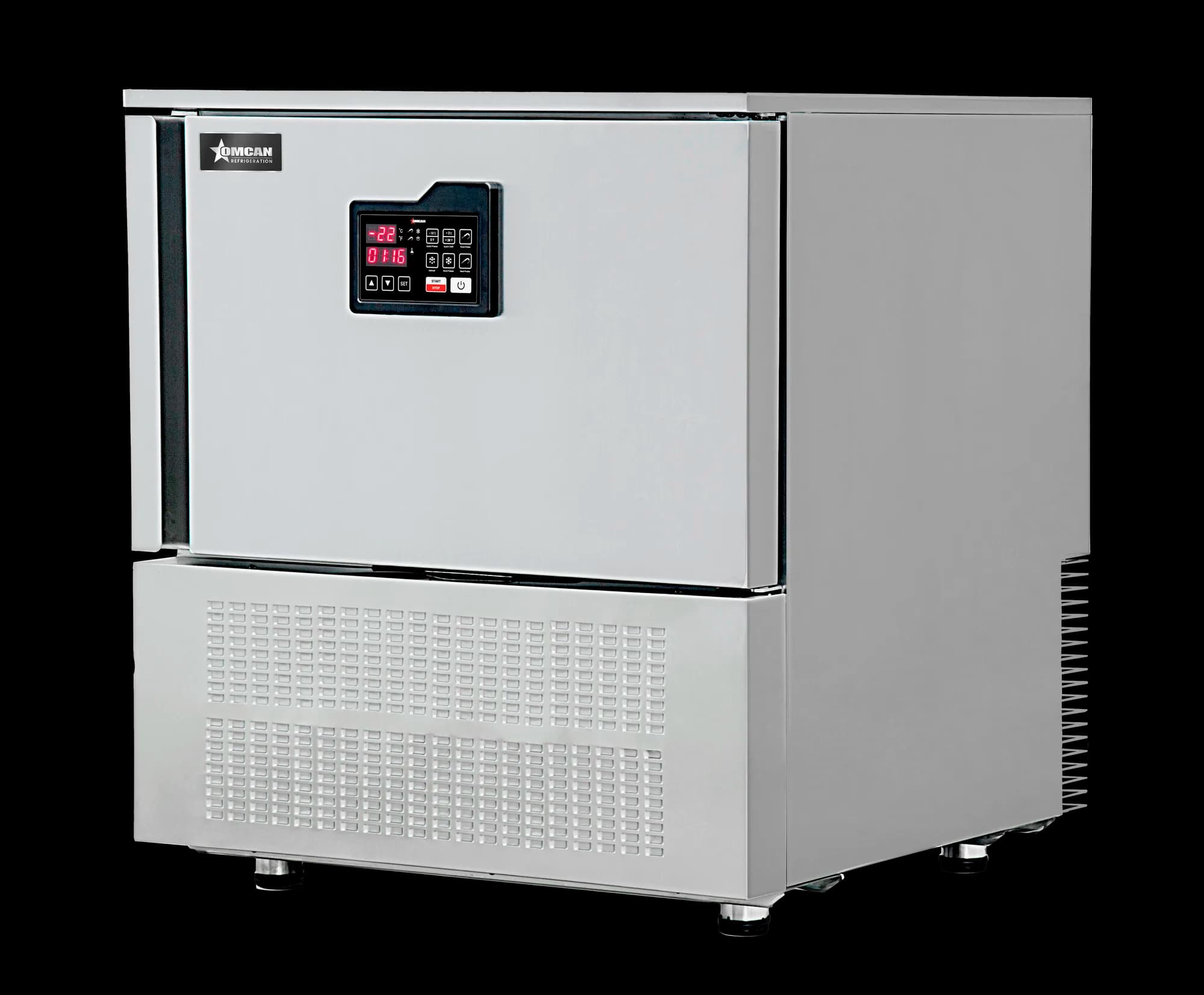
ECOBLAST620
Eurodib – EcoBlast 620 Blast Chiller w/ 10 Trays – RGSECOBLAST620
$8,090.99
In stock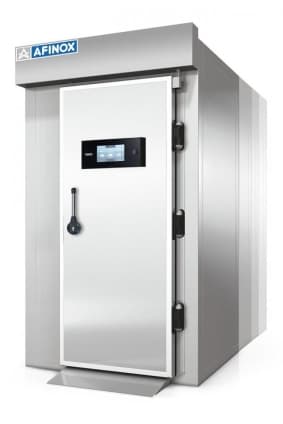
About commercial blast chillers
Before you buy
- Size the chiller by the load you cool at once, in pans or trays and by weight, rather than by cabinet volume, since manufacturers rate capacity per cycle.
- Check whether it offers both chilling and freezing cycles, and whether soft and hard chill modes are available for delicate foods.
- Look for a core temperature probe and, if your food safety plan calls for records, cycle logging or a way to export the data.
- Plan for the heat the chiller gives off during a cycle, and ask whether larger models can use a remote condenser to keep that heat out of the kitchen.
- Measure the spacing between tray slides against the depth of your hotel pans, because the slide pitch limits how deep a pan fits.
Common questions
Why not just cool food in a regular refrigerator?
- A standard refrigerator is built to hold cold food, not to remove heat from a large hot batch. Loading it with hot food cools the food slowly and warms everything else inside. Canadian food safety codes and many provincial rules set time limits for cooling cooked food, and a blast chiller helps a kitchen meet them. Check the limits that apply with your local public health unit.
What is the difference between blast chilling and shock freezing?
- Blast chilling brings food down to refrigerator temperature for storage in a refrigerator. Shock freezing, sometimes called blast freezing, continues well below freezing so the food can be kept frozen. Faster freezing forms smaller ice crystals, which many kitchens find protects the texture of pastry, seafood and cooked dishes.
Does a blast chiller replace a freezer or reach-in?
- It does not. A blast chiller works in cycles to bring food down quickly, then the food moves to a refrigerator or freezer for storage, freeing the chiller for the next batch. Kitchens size their storage separately and treat the chiller as a production tool between cooking and storage.
How much do commercial blast chillers cost?
- List prices on Norpex range from $2,785.97 to $149,240 CAD, with a median of $19,089.34 across 62 priced models; prices are list prices before tax and shipping.
What types of commercial blast chillers do you carry?
- Norpex lists these types of commercial blast chillers, with the number of models of each: reach-in (8) and countertop (4).
Which brands of commercial blast chillers do you carry?
- Norpex lists 62 commercial blast chillers. The brands with the most models listed are Afinox with 27, Gemm with 16, Eurodib with 9, Trento with 5 and Omcan with 4.
Do you ship commercial blast chillers across Canada?
- Norpex ships to delivery addresses across Canada. Equipment ships from distributor warehouses, so dispatch timing depends on the supplier and the destination. For items that can be bought online, shipping is calculated at checkout from live carrier rates for the delivery address and confirmed before payment. There is no automatic free-shipping or flat-rate offer.
Outfitting a whole location?
Send the list or the floor plan. Project pricing beats cart pricing, and it comes back within one business day.