
Meat Grinder
61 products
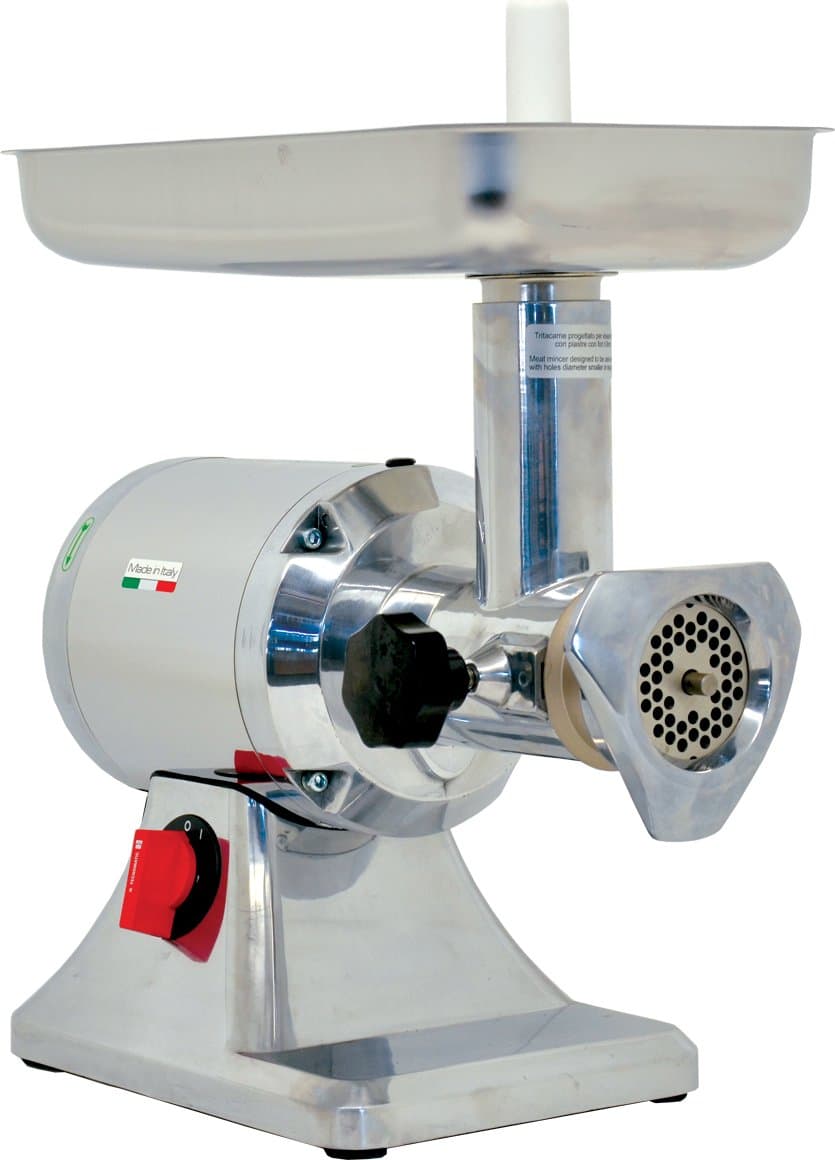
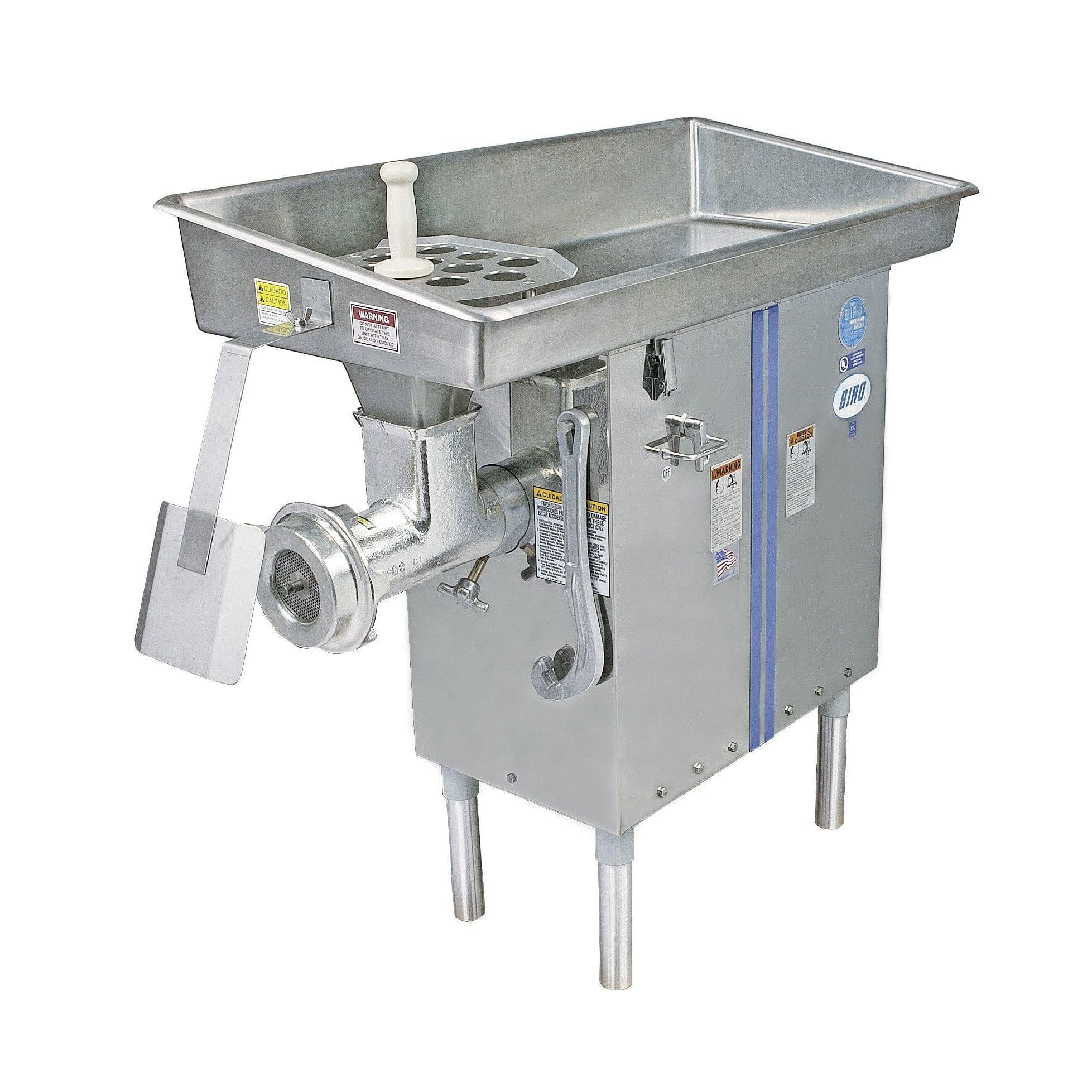
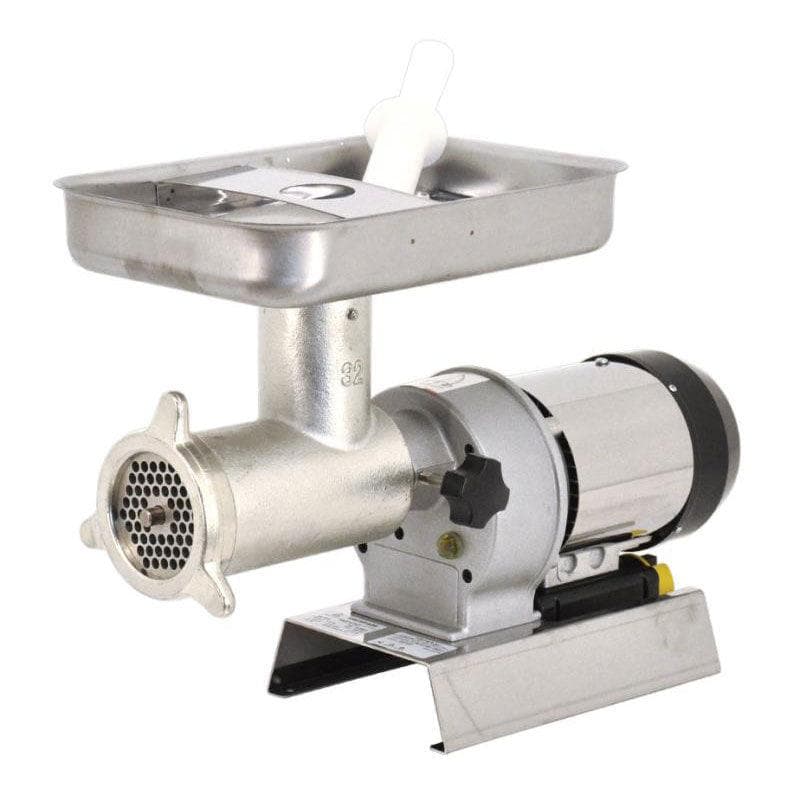
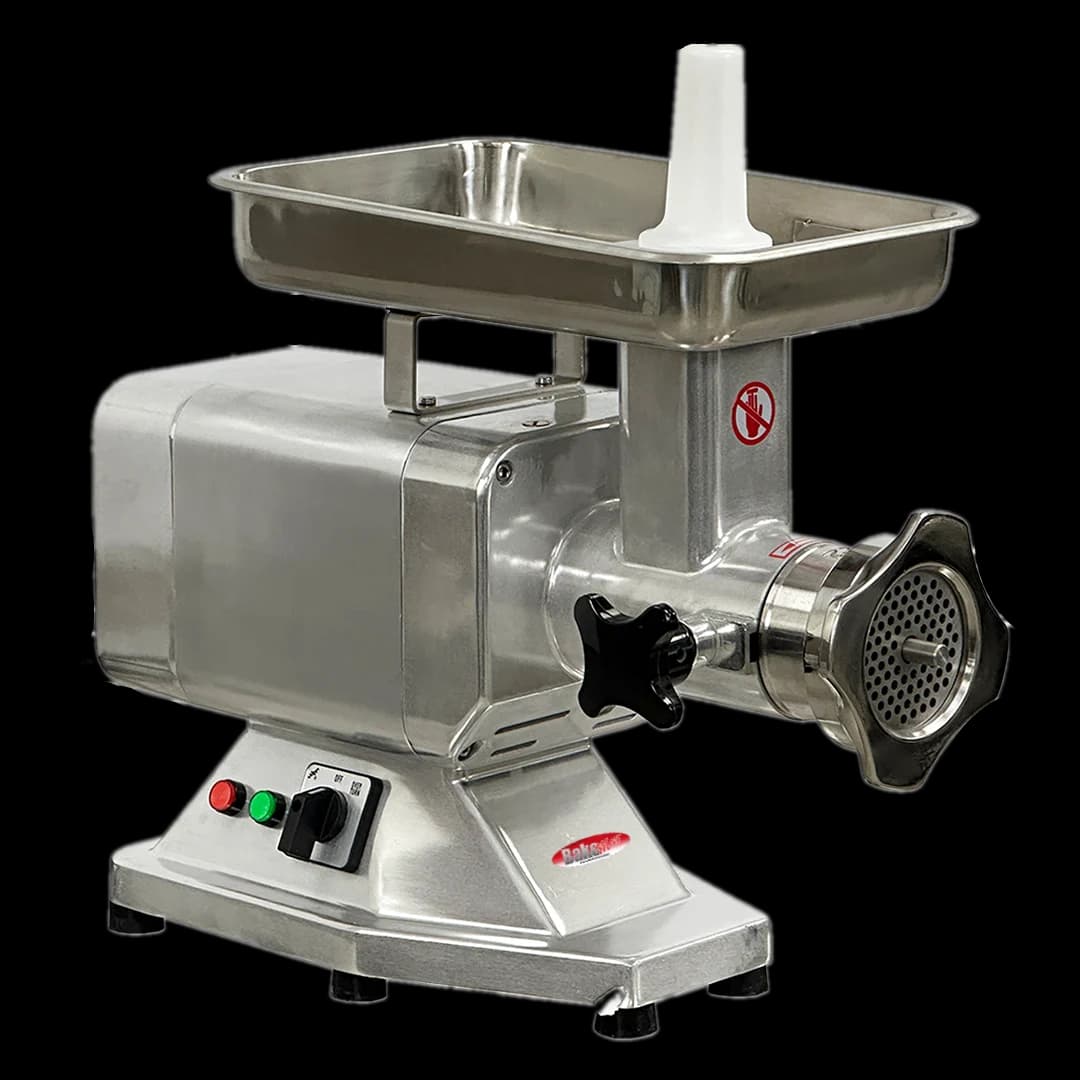
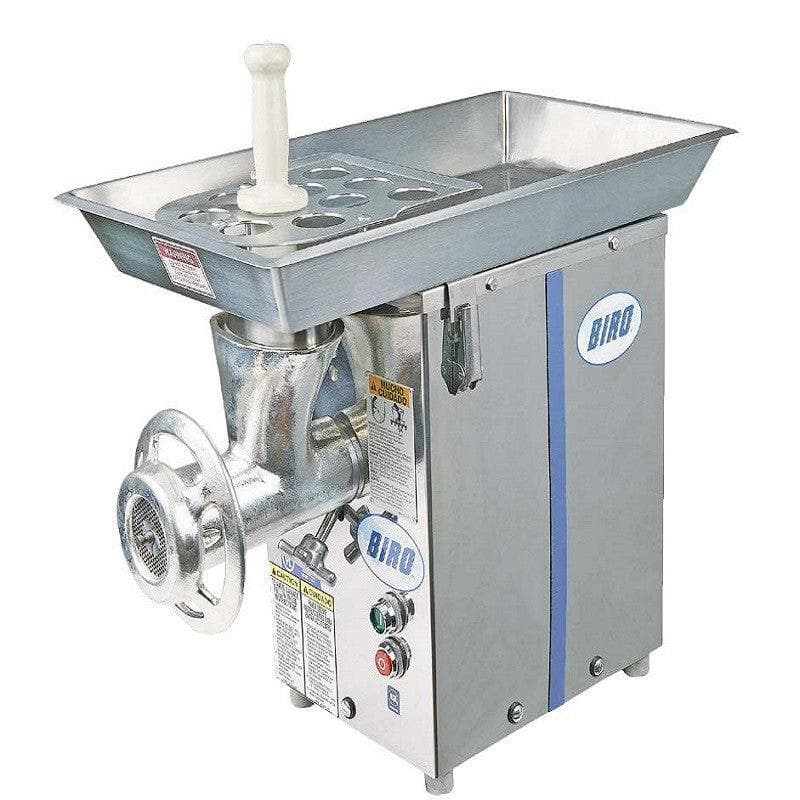
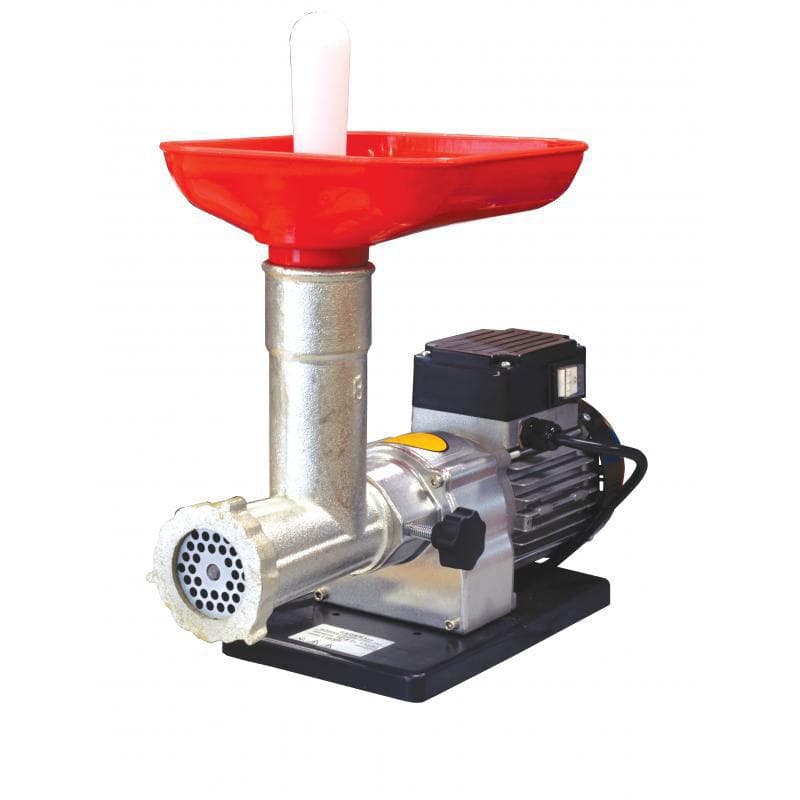
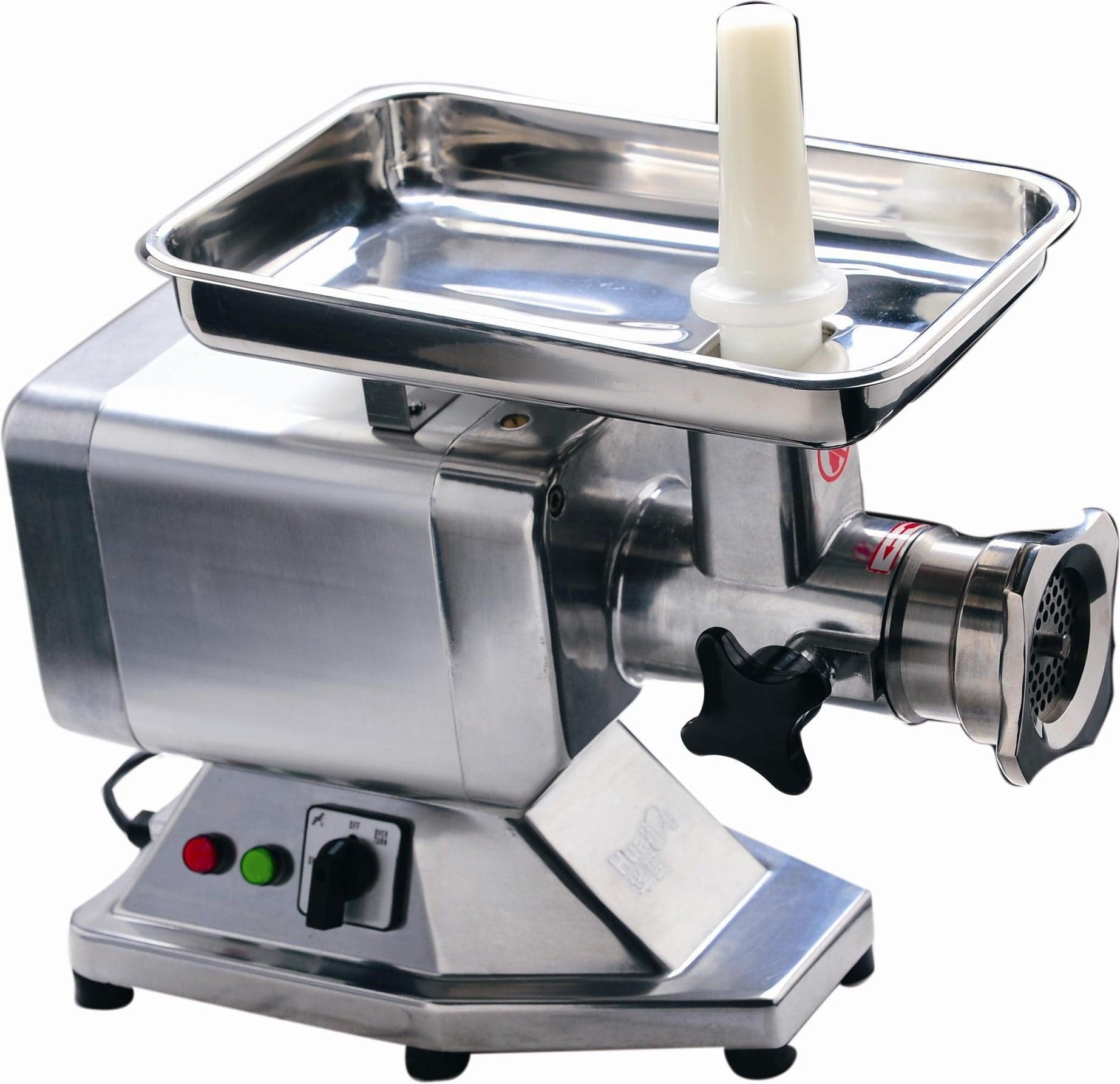
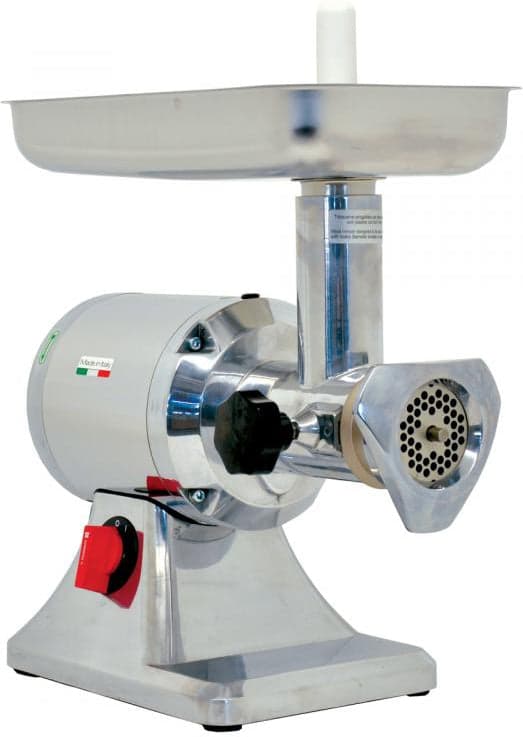
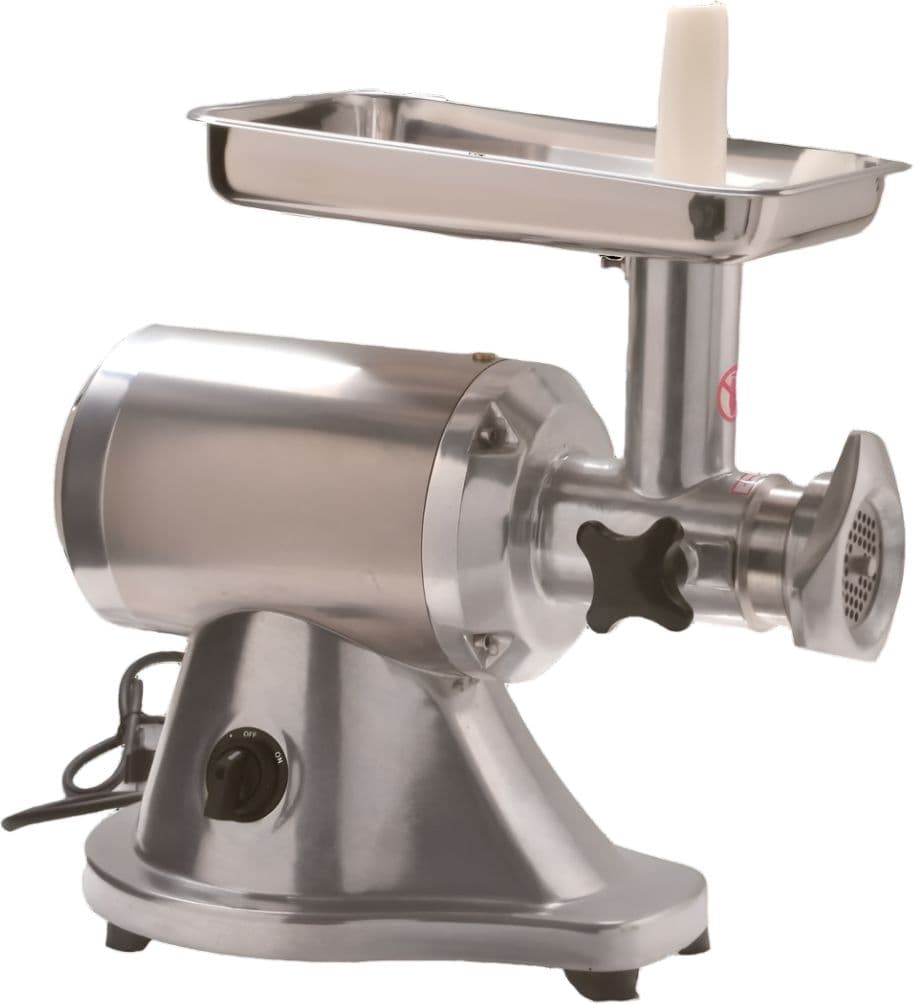
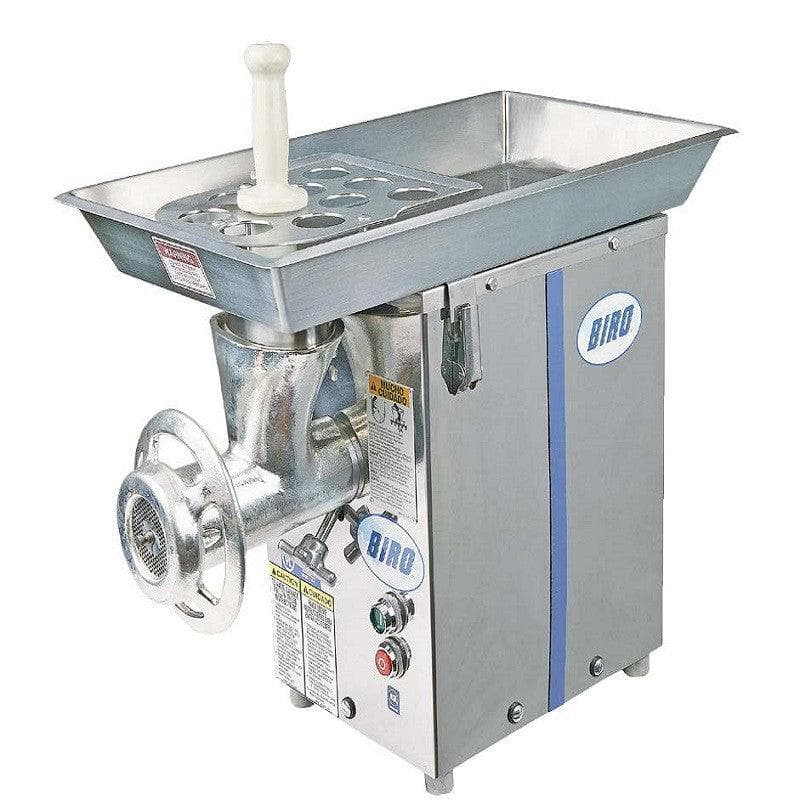
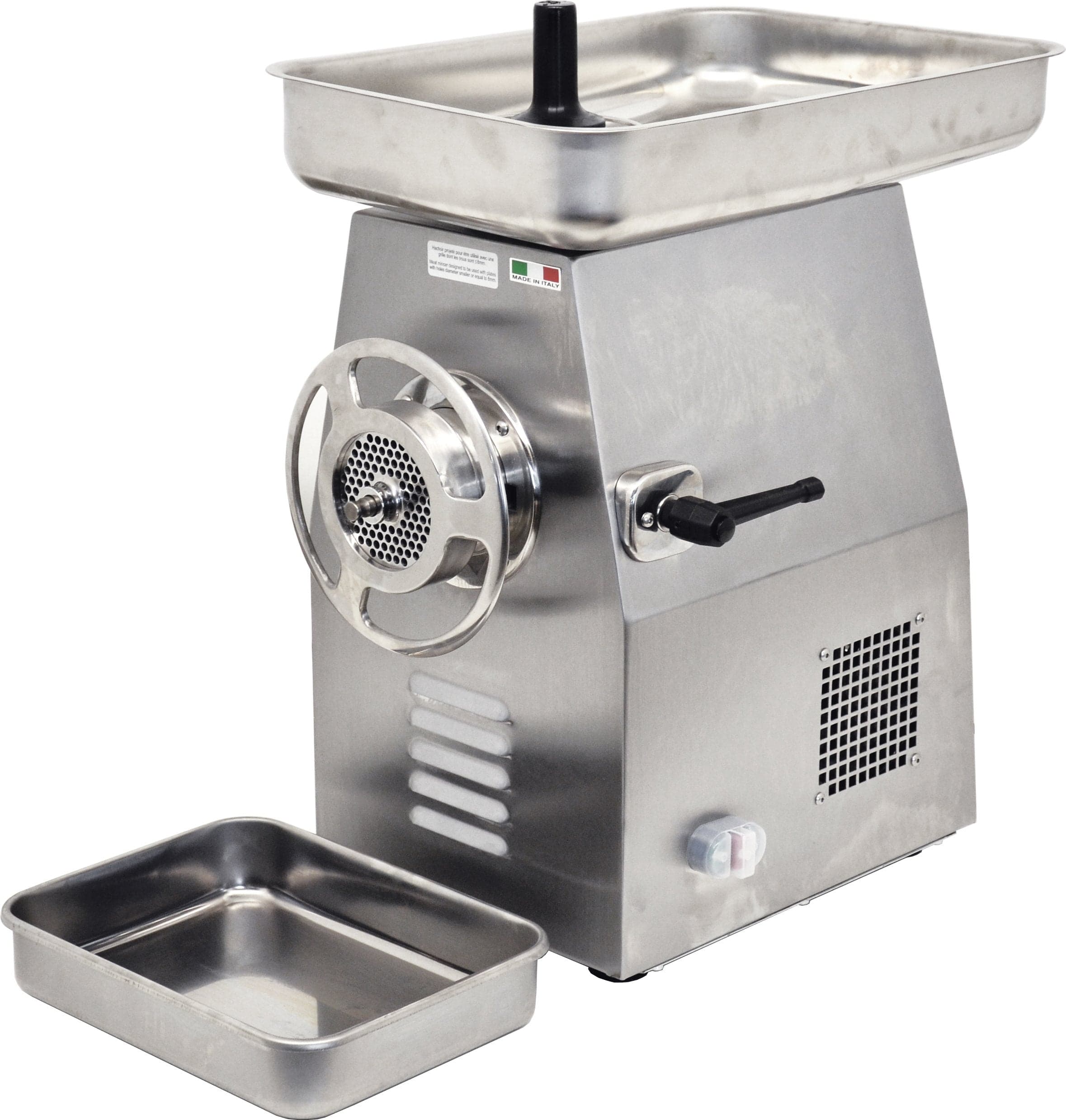
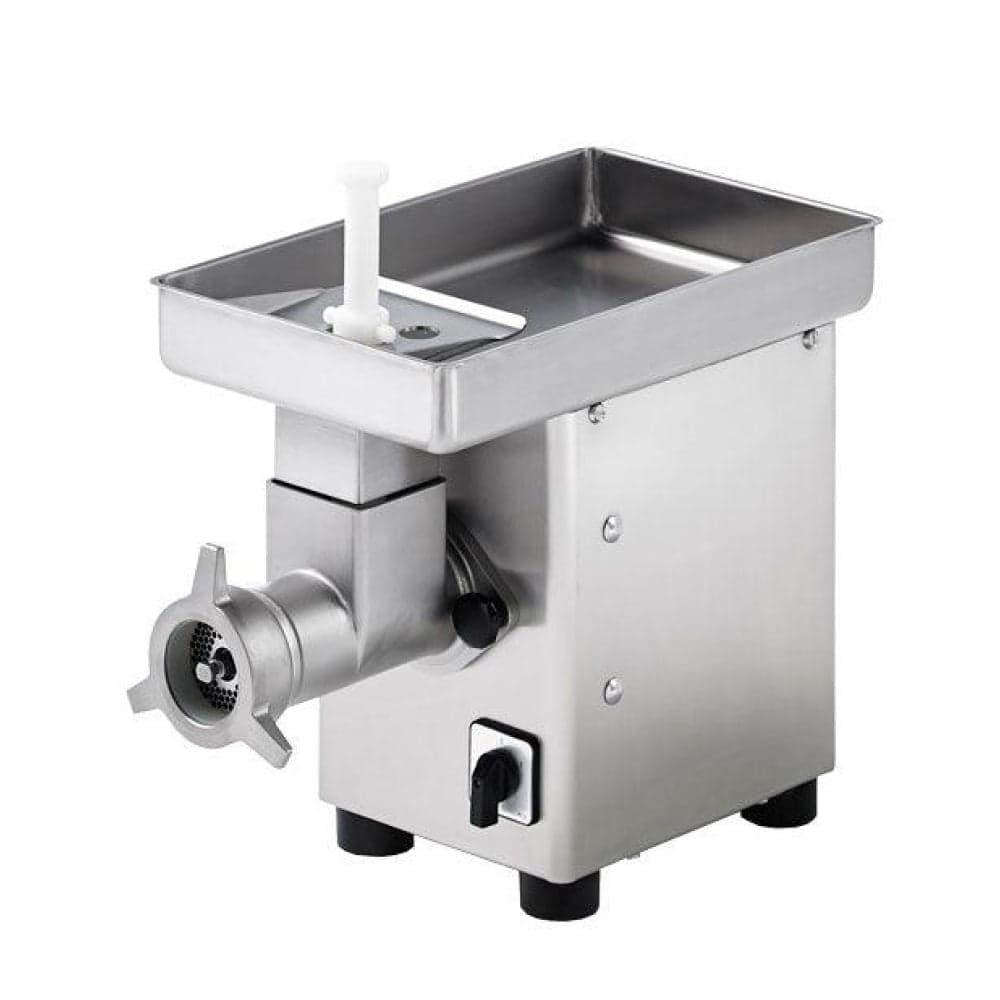
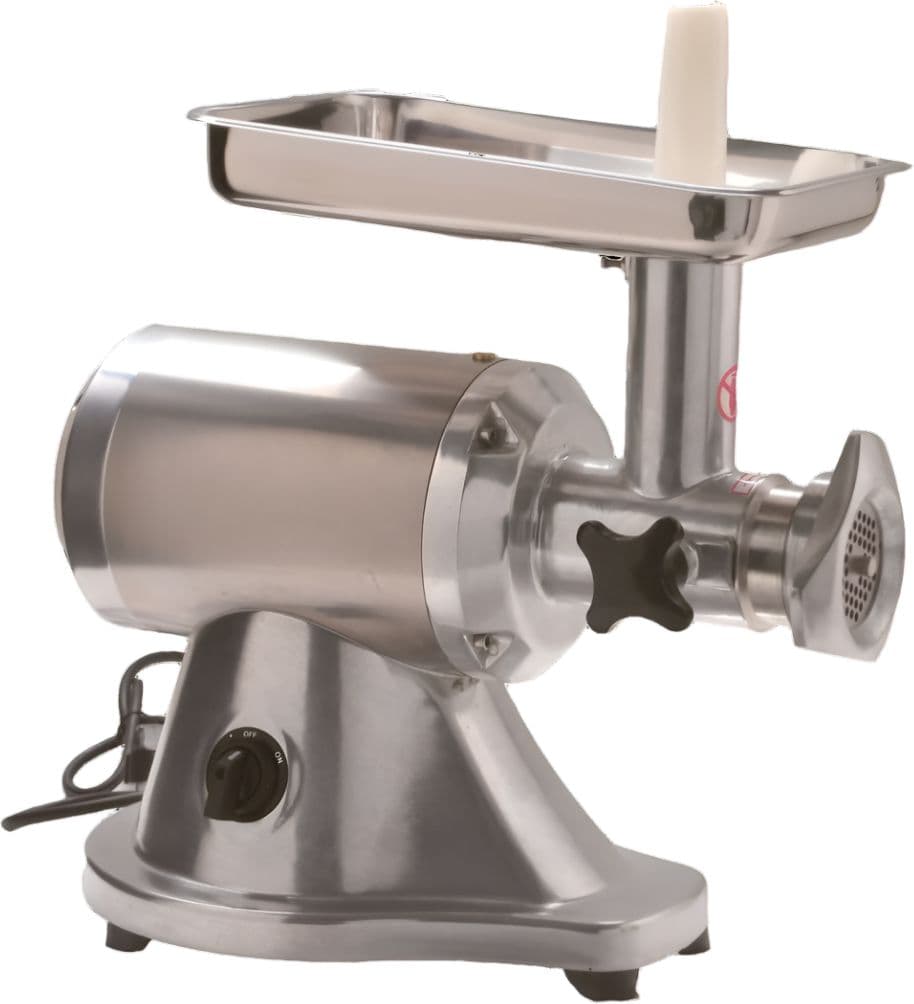
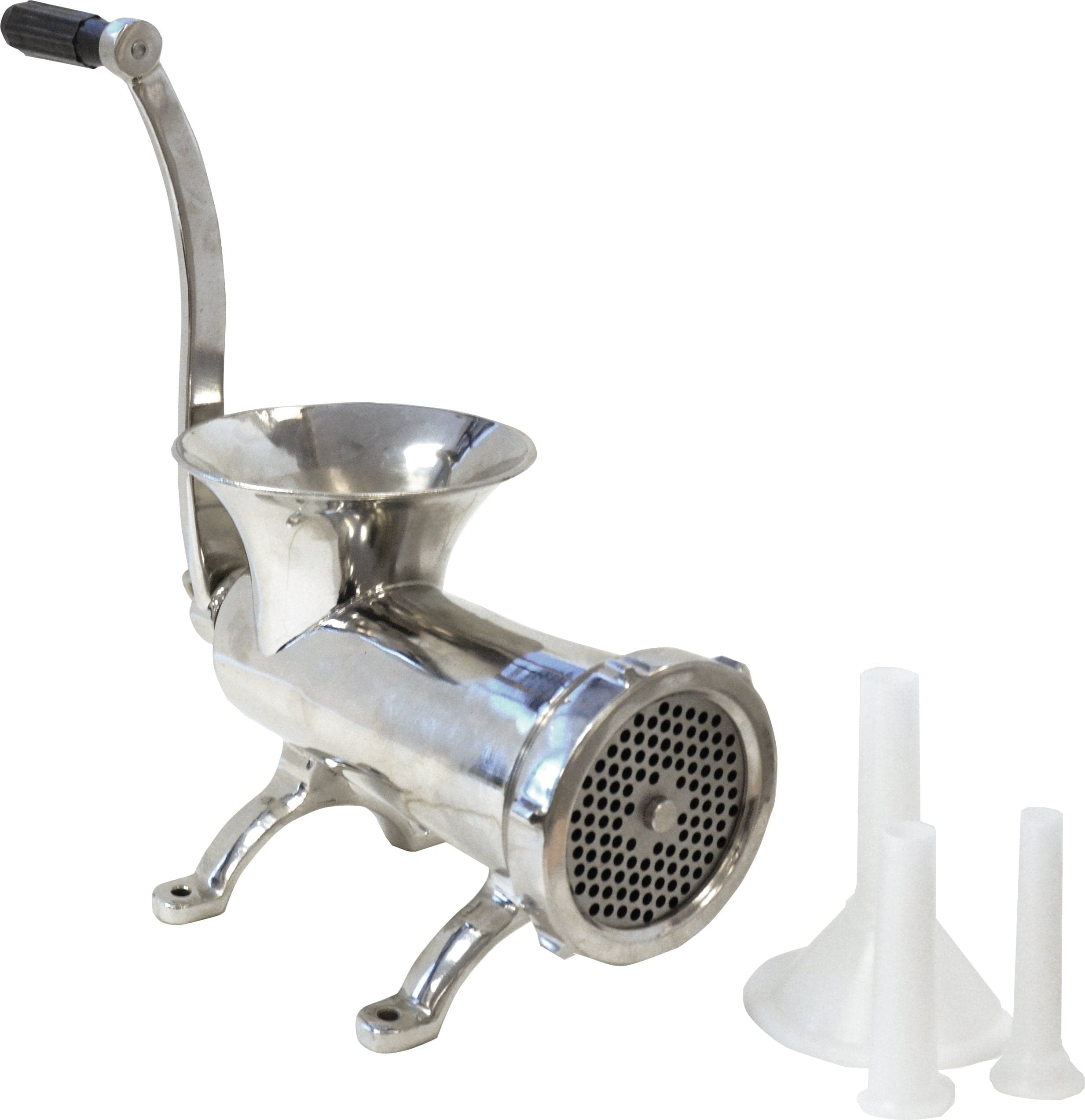
A meat grinder, also called a mincer, uses an auger to push meat through a rotating knife and a perforated plate, producing ground meat of a set coarseness. Butcher shops, burger restaurants, grocers, delis and sausage makers grind their own to control fat ratio, freshness and blend. Models range from countertop grinders for a restaurant's daily burger mix to large floor units that supply a full butcher counter.
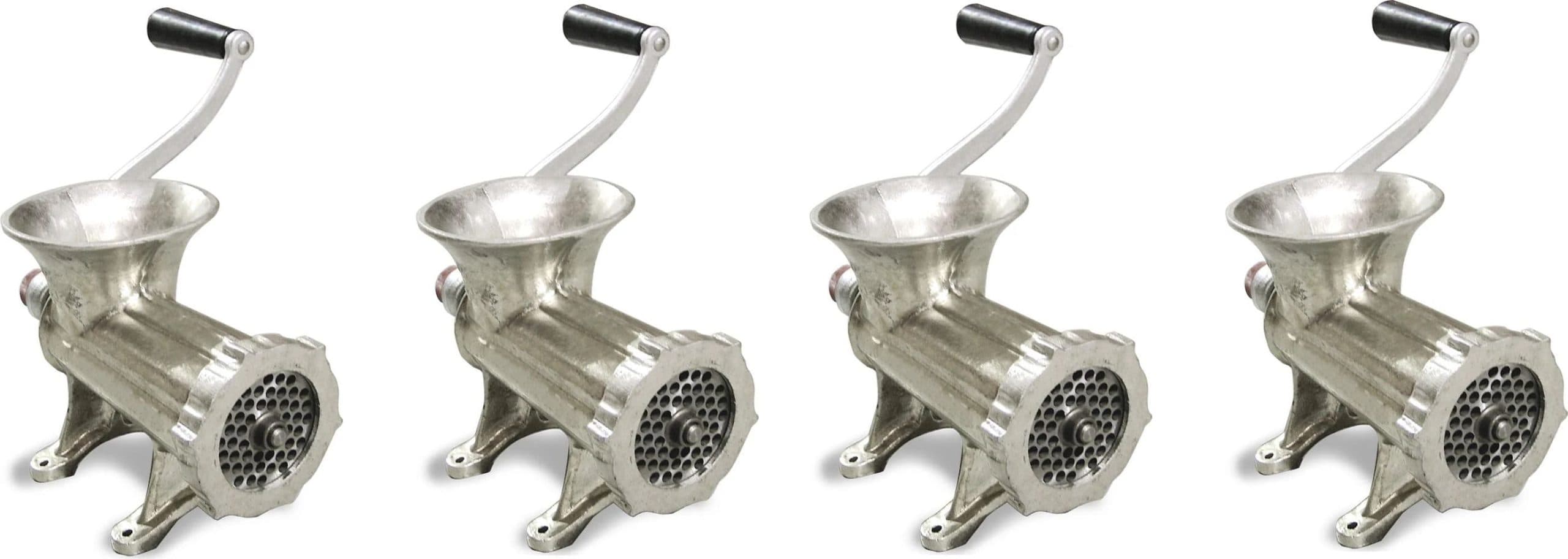
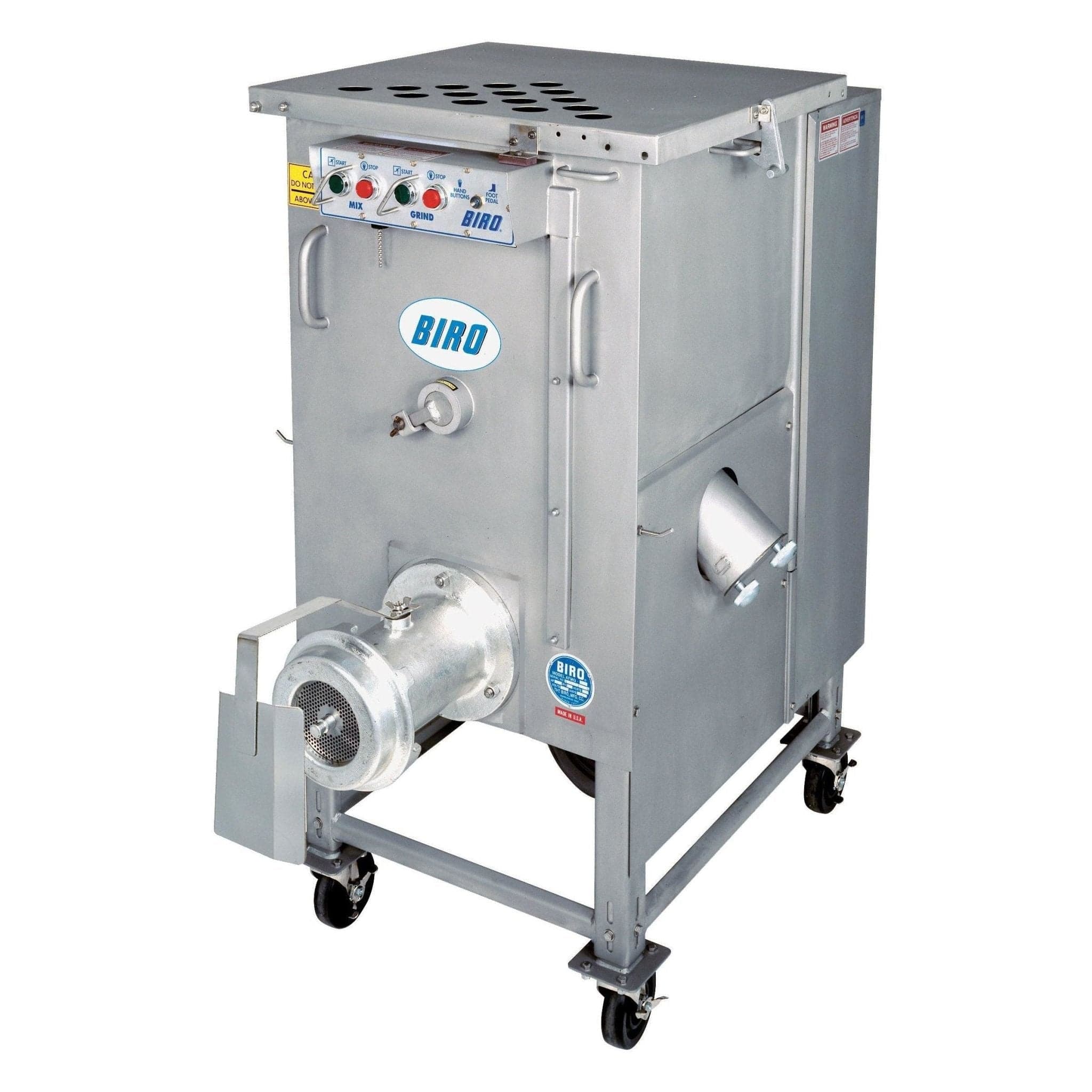
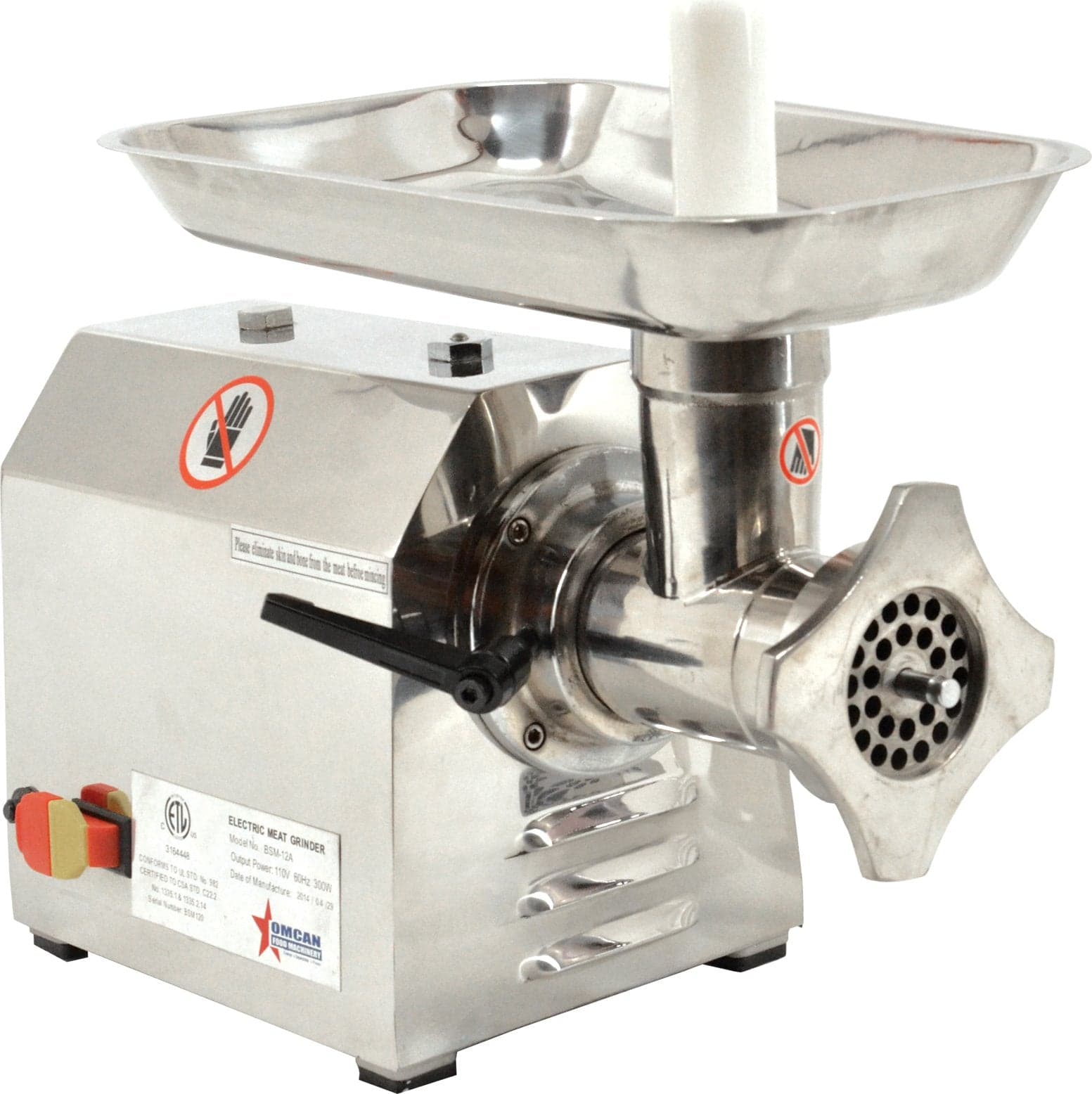
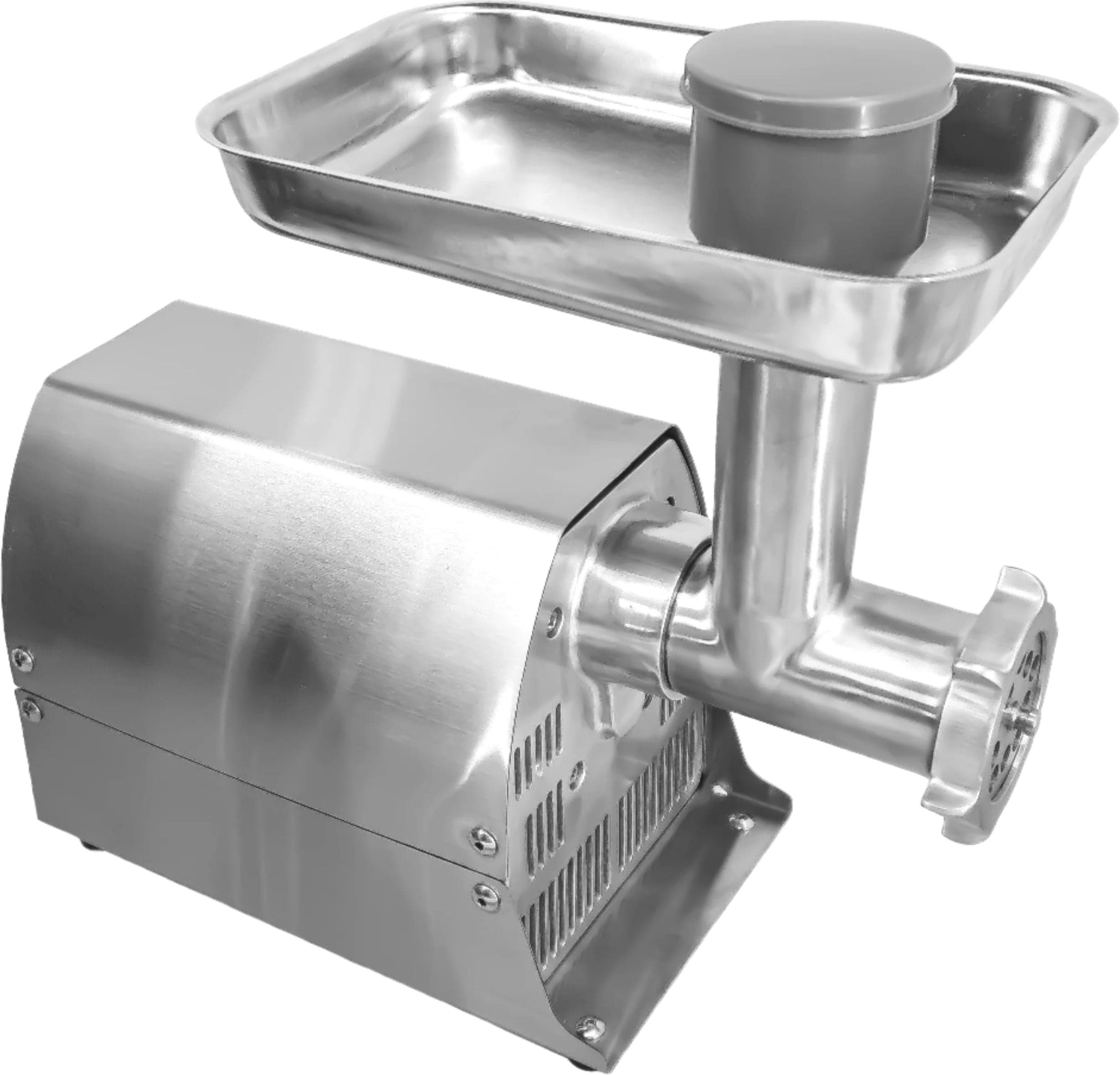
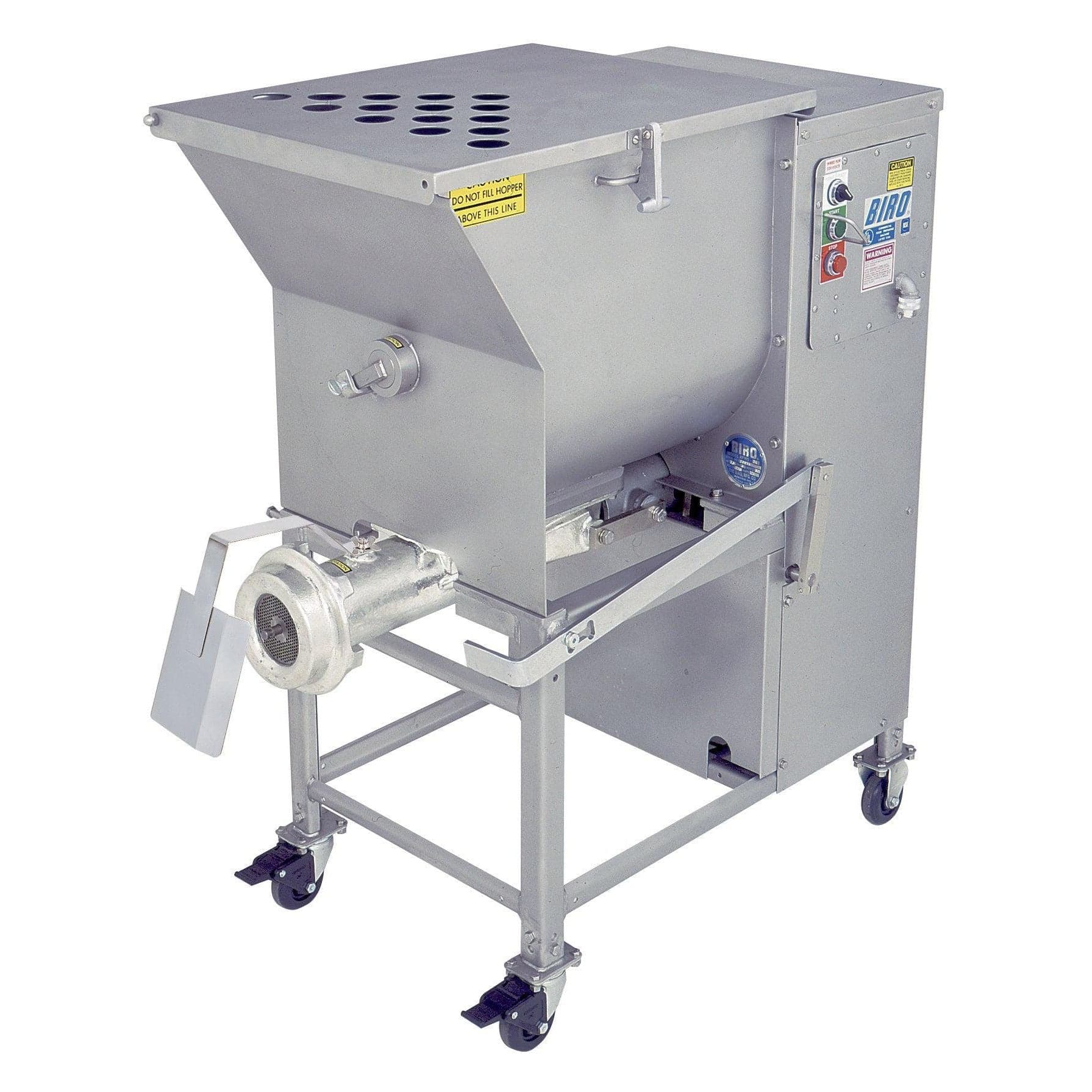
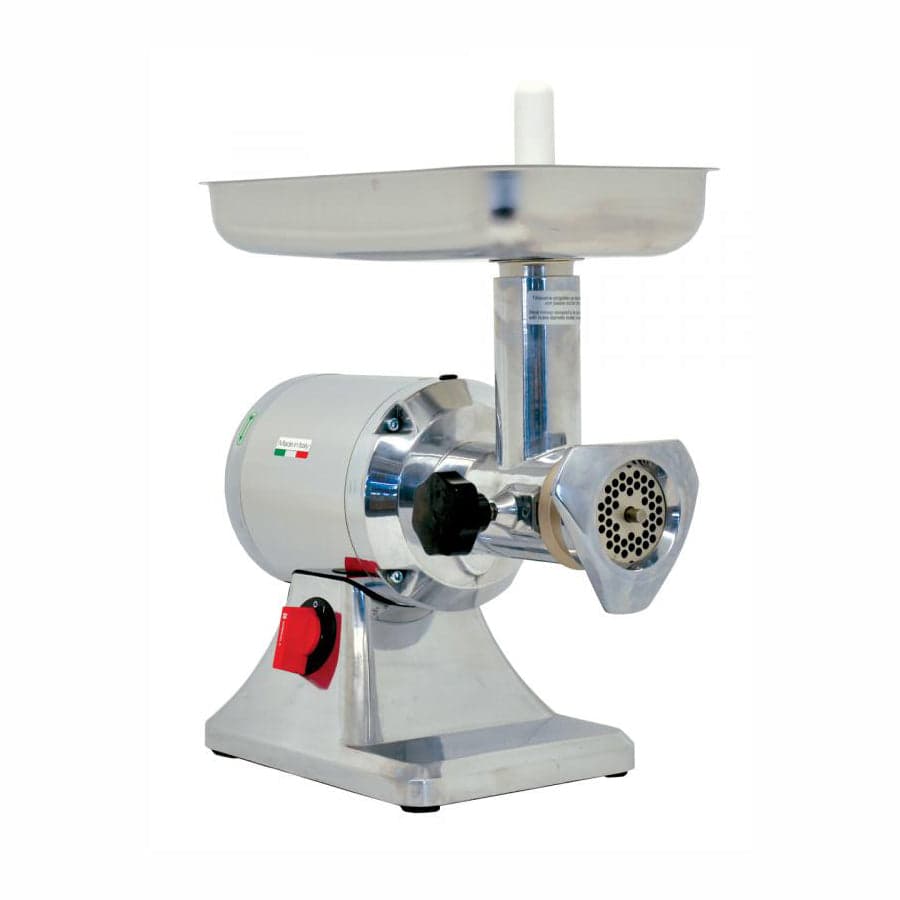
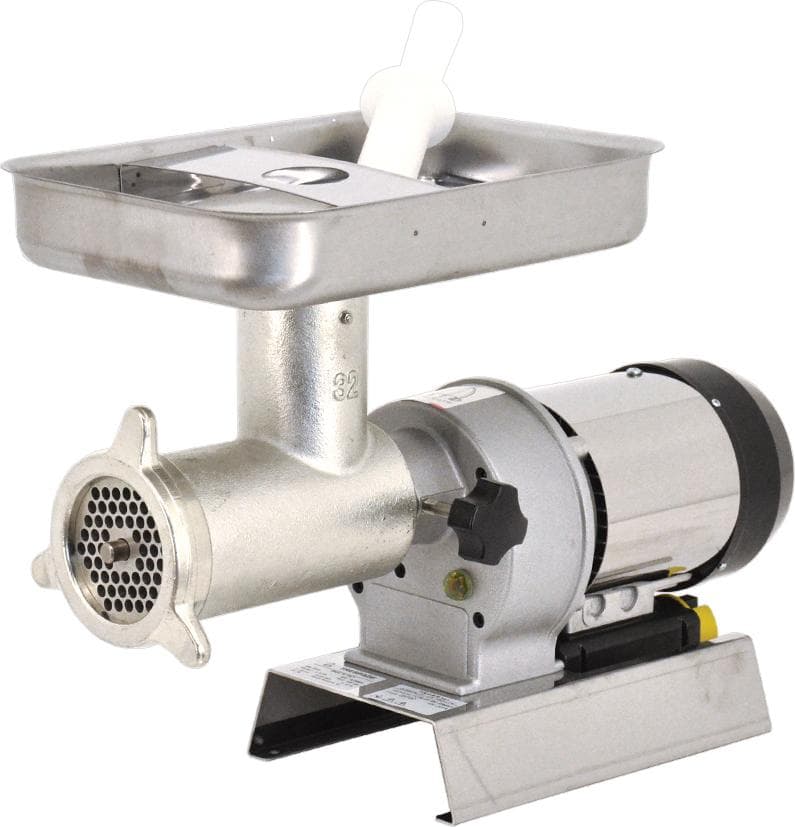
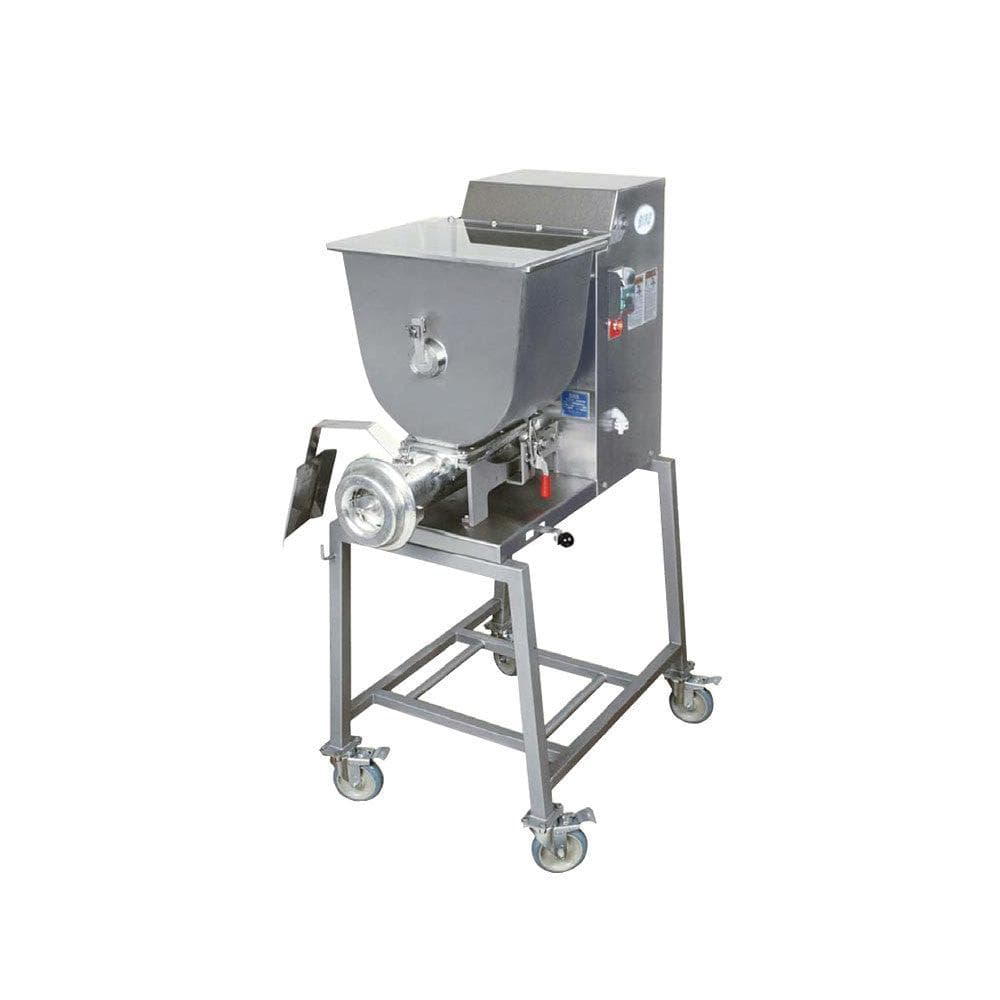
About commercial meat grinders
Before you buy
- Check the grinder's hub size, commonly given as a number such as 12, 22 or 32, since it is a rough guide to throughput and decides which replacement plates and knives fit.
- Compare the hourly output the manufacturer lists with the volume you grind on your busiest day, allowing for a second pass when you grind coarse and then fine.
- List the plate hole sizes your recipes need, since coarse and fine grinds call for different plates, and every plate and knife has to match the grinder's hub size.
- Check that a feed throat guard and a food pusher come with the machine, and check how the head, auger and plate come apart for cleaning.
- Consider a refrigerated grinder, or plan to chill the head and parts before use, because meat and fat that stay cold grind cleanly instead of smearing.
Common questions
What do grinder plate sizes mean?
- The hole size in the plate sets how coarse or fine the meat comes out. Coarse plates are used for a first grind, chili and some sausages, and finer plates for a second grind and smoother textures. The plate's outer size must match the grinder's hub, so check the hub number before ordering spare plates and knives.
Why does ground meat come out smeared instead of cleanly cut?
- Smearing usually comes from warm meat or fat, a dull knife, a worn plate or a knife that is not seated tight against the plate. Keep the meat and grinder parts cold, sharpen or replace knives and plates as a set, and assemble the head the way the manual shows.
Can a mixer attachment replace a dedicated grinder?
- A grinder attachment on a planetary mixer's hub works for small batches, such as a restaurant grinding burger meat a few times a week. For daily volume, a dedicated grinder is usually faster, has a larger feed throat and hopper, and saves wear on the mixer.
How much do commercial meat grinders cost?
- List prices on Norpex range from $59.48 to $27,940.50 CAD, with a median of $1,678.95 across 61 priced models; prices are list prices before tax and shipping.
Which brands of commercial meat grinders do you carry?
- Norpex lists 61 commercial meat grinders. The brands with the most models listed are Omcan with 29, Biro with 13, Trento with 9, BakeMax with 5 and Eurodib with 4.
Do you ship commercial meat grinders across Canada?
- Norpex ships to delivery addresses across Canada. Equipment ships from distributor warehouses, so dispatch timing depends on the supplier and the destination. For items that can be bought online, shipping is calculated at checkout from live carrier rates for the delivery address and confirmed before payment. There is no automatic free-shipping or flat-rate offer.
Outfitting a whole location?
Send the list or the floor plan. Project pricing beats cart pricing, and it comes back within one business day.